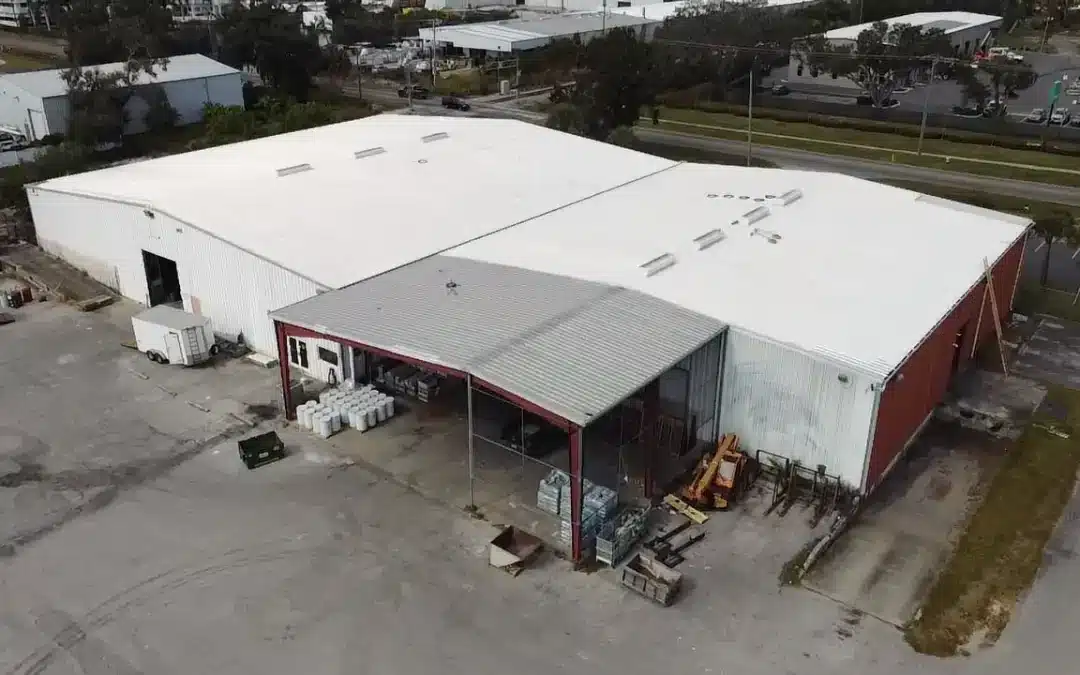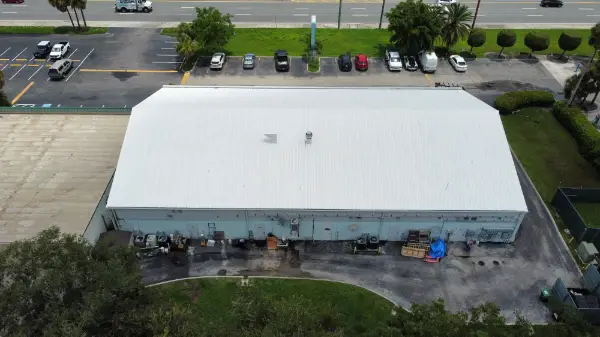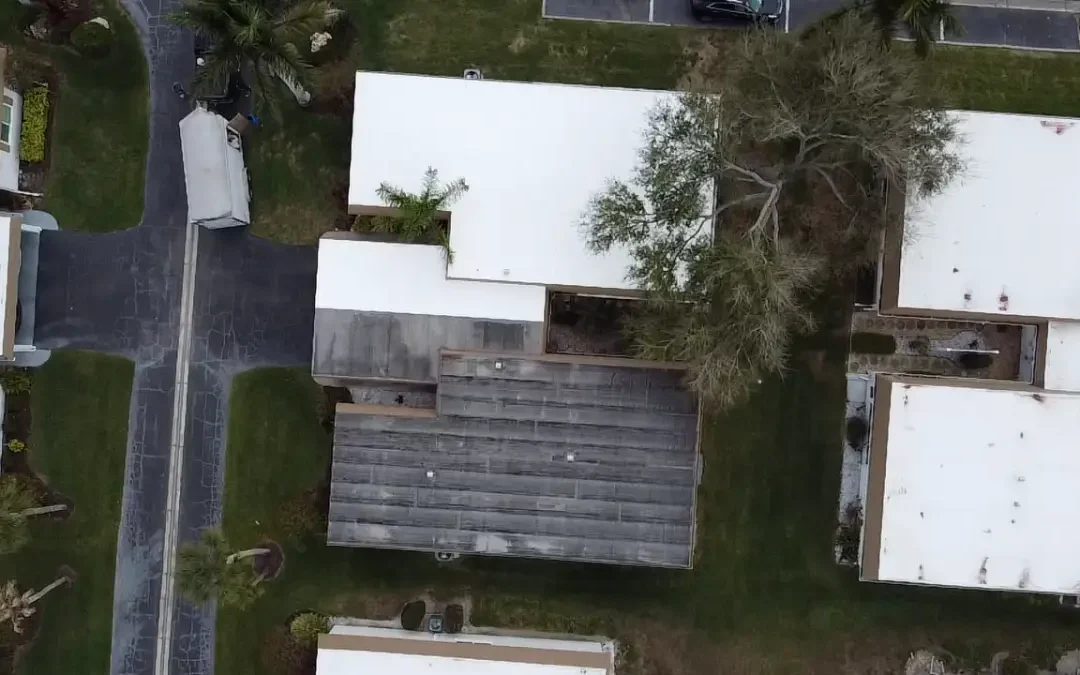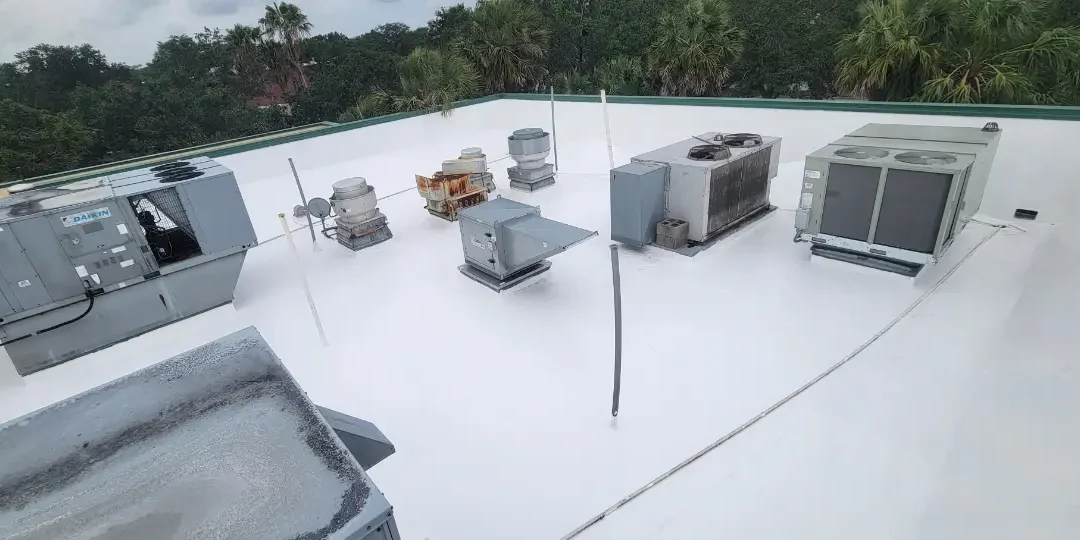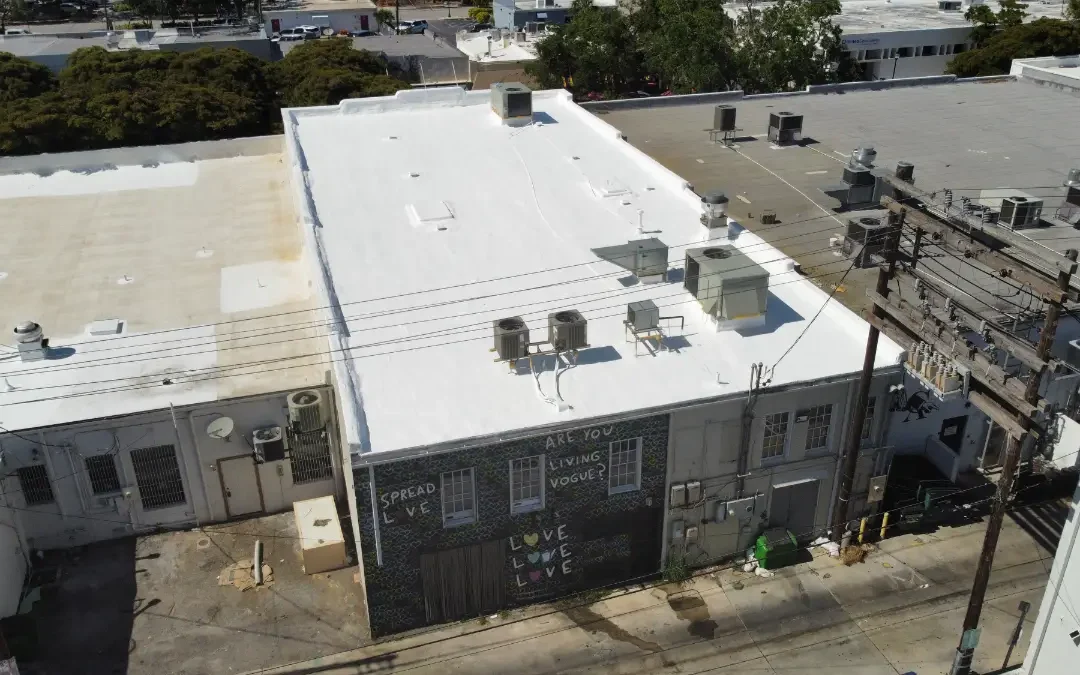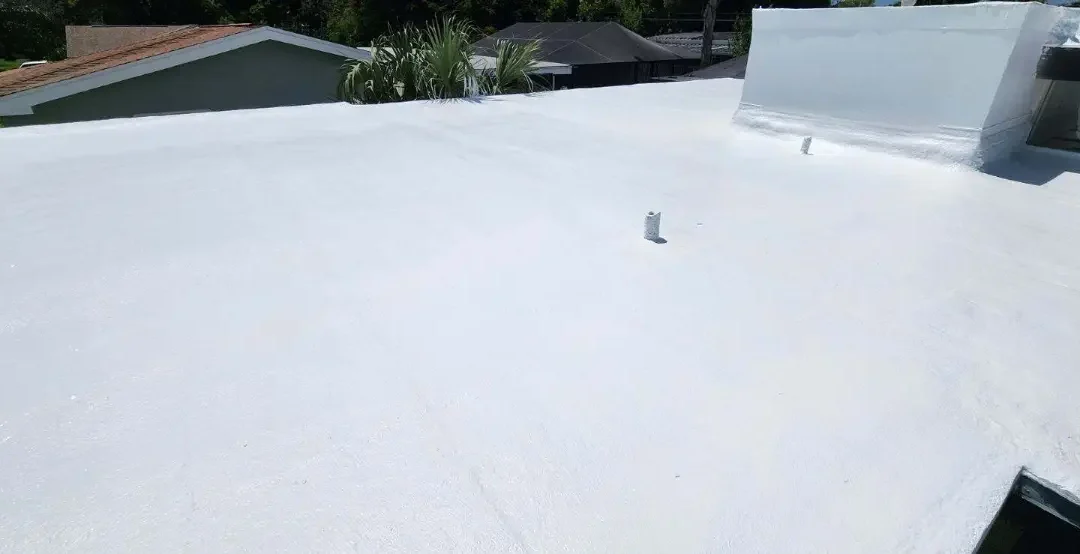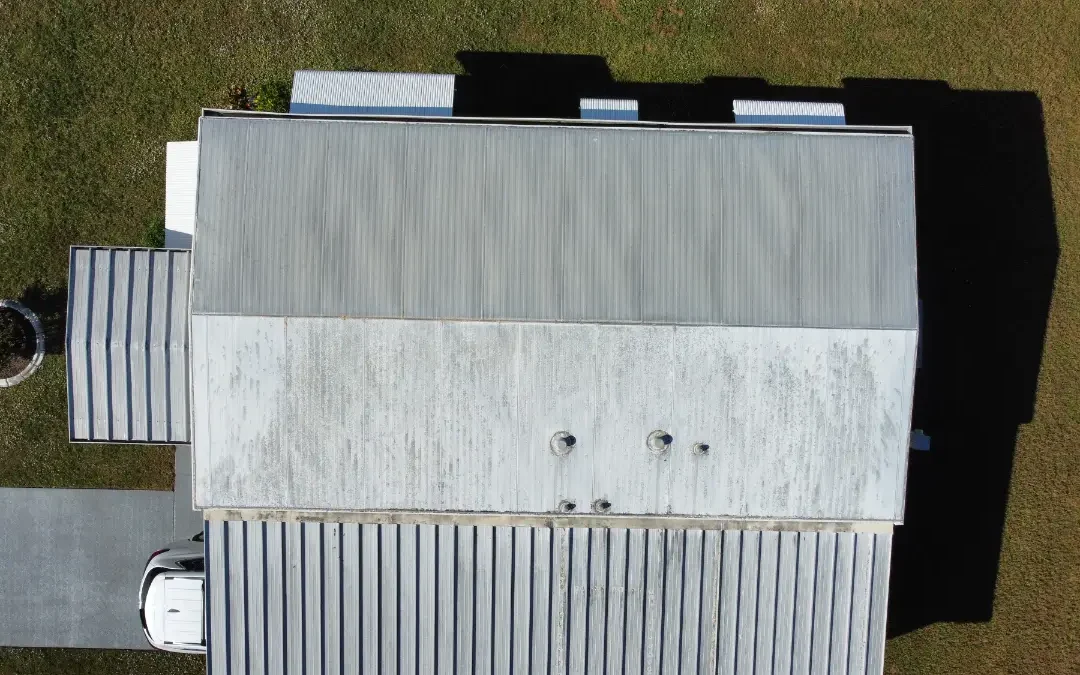
Yes, many rusting metal roofs can be saved without a complete roof replacement — provided the metal panels and underlying roof structure are still sound. Surface corrosion, leaking fasteners, aging seams and localized rust can often be repaired and prepared before a compatible protective coating system is applied.
The important distinction is between a roof that is rusting and a roof that has rusted beyond practical repair.
Lester’s Roofing & Carpentry, based in Rossiter, PA, takes a restoration-first approach to exactly this question: a coating is not paint that simply hides corrosion. Successful metal roof restoration starts by inspecting the roof, identifying the source and extent of deterioration, repairing problem areas, and preparing the existing metal so the restoration system can bond correctly.
Why Is My Metal Roof Rusting?
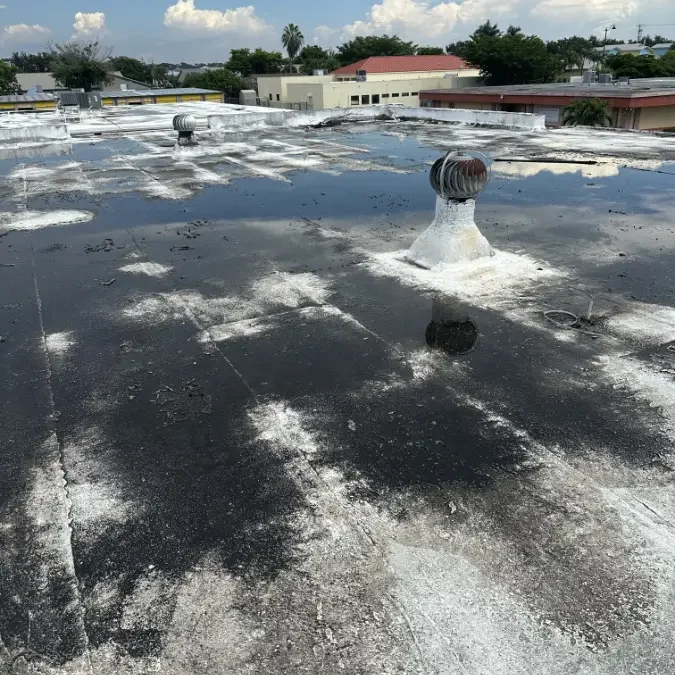
Metal roofing is durable, but the protective finish on an older roof can eventually deteriorate. Once exposed metal repeatedly encounters moisture and oxygen, corrosion can begin. Small areas of surface rust may initially look cosmetic, but corrosion can become more serious if it continues unchecked.
In and around Rossiter, Indiana, Portage, Windber and Nanty Glo, local conditions add another challenge: freeze-thaw cycling.
Water can enter around a fastener, lap, flashing detail or small opening. When temperatures fall below freezing, that water expands. Repeated freezing and thawing can gradually enlarge openings and contribute to leaks.
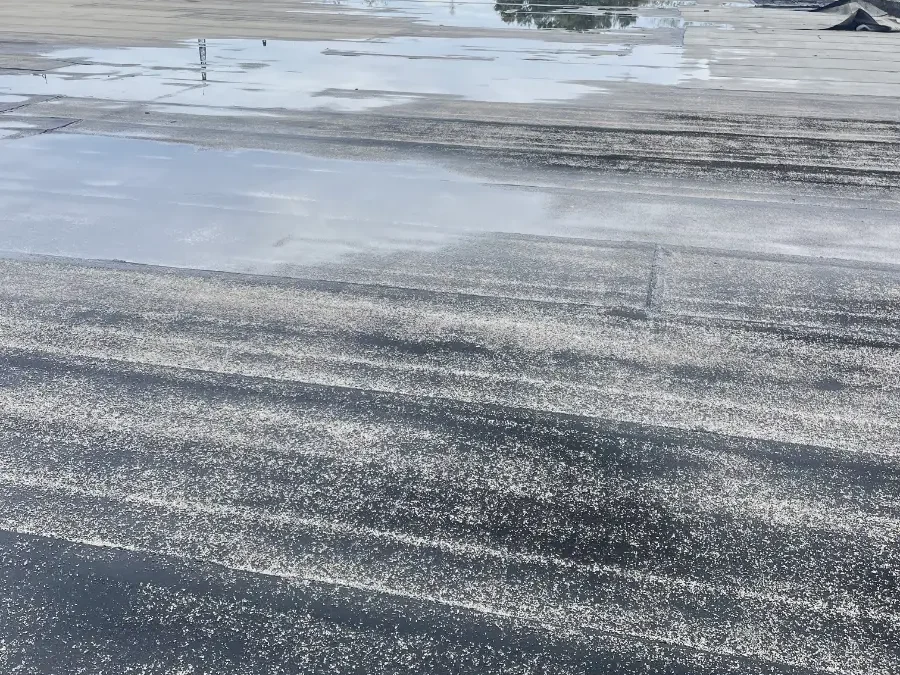
Snowmelt and ponding water can keep parts of a low-slope metal roof wet for extended periods. Agricultural buildings around Central City, Houtzdale and DuBois may also be exposed to moisture and farm environments that can accelerate corrosion.
That makes early intervention particularly important.
Can You Coat Over a Rusty Metal Roof?
A metal roof can often be coated after rust has been properly evaluated, treated and prepared. It should not simply be coated over without preparation.
The exact restoration process depends on the roof, but a professional assessment may identify work such as:
- cleaning dirt, oxidation and contaminants from the roof;
- preparing rusted metal;
- replacing or securing problematic fasteners;
- repairing damaged seams, flashing and penetrations;
- addressing localized leaks or deteriorated areas;
- confirming that the existing substrate is suitable for the proposed coating; and
- applying the coating system to the required specification.
The objective is to create a sound substrate and then protect the roof with a seamless restoration system. Rather than assuming an aging metal roof must be torn off, Lester’s Roofing & Carpentry’s first question is always whether the roof already on the building can be repaired and protected.
What Kind of Rust Can Usually Be Restored?
Surface rust is very different from severe section loss. A metal roof may remain a good restoration candidate when corrosion is mainly superficial or localized and the panels still have adequate structural integrity.
Common examples include roofs with:
- scattered surface corrosion;
- rust around exposed fasteners;
- leaking seams or laps;
- deterioration around penetrations;
- aging factory finishes;
- localized areas requiring repair; or
- recurring leaks even though most of the roof remains sound.
These symptoms deserve attention, but they do not automatically justify replacing every roof panel.
When Is a Rusting Metal Roof Too Far Gone?
There is a point where restoration stops making financial or practical sense.
Replacement may be the better recommendation when corrosion has caused widespread holes, major loss of metal, extensive structural deterioration or damage that cannot be economically repaired. Significant moisture or deterioration beneath the roofing system can also change the recommendation.
That is why photographs of rust alone are not enough to make the decision. The contractor needs to inspect the roof and determine how much usable roof remains beneath the visible deterioration. A reputable restoration contractor should be willing to recommend replacement when coating is no longer a suitable solution.
Why Does Roof Coating Make Sense for an Aging Metal Roof?
Where the roof is suitable, restoration offers a fundamentally different approach from tear-off and replacement.
Instead of removing the entire roof, the contractor addresses vulnerable areas and applies a compatible coating system over the prepared surface.
Potential advantages include:
- extending the service life of the existing roof;
- reducing tear-off and disposal;
- sealing seams, fasteners and other common leak points;
- creating a seamless protective surface;
- reducing disruption to the operation below; and
- potentially lowering the upfront cost compared with complete replacement.
For commercial and agricultural buildings with large roof areas — common around Portage, Windber and Central City — avoiding an unnecessary tear-off can have a substantial financial impact.
How Much Does It Cost to Coat a Rusting Metal Roof?
For 2026 budgeting, commercial roof coating in Pennsylvania generally falls within a broad range of approximately $2.00 to $7.00 per square foot installed, while many straightforward restoration projects may fall around $3.00 to $5.00 per square foot. These figures are based on recent Lester’s Roofing & Carpentry commercial projects across Indiana and Cambria counties.
Acrylic or elastomeric systems may be approximately $2.00 to $4.00 per square foot, depending on the project.
However, a rusting roof can cost more to restore than a roof requiring minimal preparation. The amount of corrosion, repairs, cleaning, fastener work, seam treatment, access and coating specification all affect the final price.
For example, at $3.00 to $5.00 per square foot, a relatively straightforward 20,000-square-foot roof would represent an initial budgeting range of roughly $60,000 to $100,000.
That calculation should not replace an inspection. A 20,000-square-foot roof with extensive rust repair can be a very different project from a 20,000-square-foot roof with only localized corrosion. See our full cost breakdown for more detail on what drives the price.
What About Farms and Agricultural Metal Roofs?
Metal roofing is common on dairy barns, pole barns, workshops and equipment sheds around Indiana, Portage, Windber, Nanty Glo and Central City.
These roofs can be particularly good candidates for early evaluation because localized corrosion or leaking fasteners may develop while large portions of the metal remain serviceable.
How Long Can a Restored Metal Roof Last?
The answer depends on the roof condition, repairs, coating system, installation specification and maintenance.
Lester’s Roofing & Carpentry installs commercial restoration systems from Conklin, a national roof-coating manufacturer. Certain Conklin systems can carry a 20-year non-prorated manufacturer warranty, with a renewable warranty that can potentially be extended for another 20 years, subject to the applicable system and renewal requirements.
That does not mean every coated metal roof automatically receives 40 years of coverage or requires no future maintenance. The system, roof eligibility and warranty requirements need to be confirmed for the individual project.
Lester’s Roofing & Carpentry also provides a 3-year contractor workmanship warranty.
How Do You Know Whether Your Rusting Metal Roof Can Be Saved?
Start with an inspection rather than a replacement quote.
The inspection should answer practical questions such as:
- Is the rust superficial, localized or widespread?
- Are the metal panels still structurally sound?
- Where are leaks entering?
- Are fasteners, seams or penetrations failing?
- Are there holes or significant metal loss?
- Is moisture trapped beneath the roof?
- Can damaged areas be repaired economically?
- Is the existing roof compatible with a restoration system?
- What preparation is needed before coating?
- Would restoration provide a sensible service life compared with replacement?
Once those questions are answered, the owner can compare restoration and replacement on a like-for-like basis.
Metal Roof Rusting: The Bottom Line
A rusting metal roof can often be saved when corrosion is caught before the panels and supporting structure have deteriorated beyond practical repair.
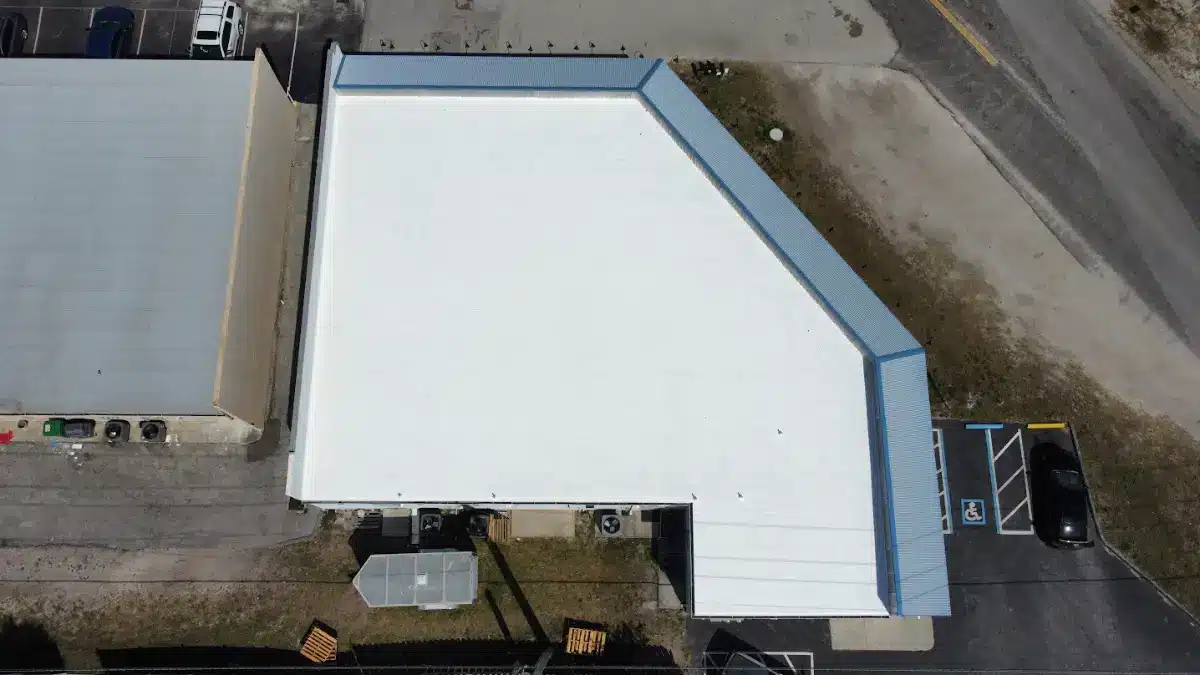
Surface rust, aging seams, fastener leaks and localized deterioration can often be repaired and prepared as part of a professional roof restoration. A compatible coating system can then protect the existing metal and create a seamless weather-resistant surface.
The sooner active corrosion is inspected, the more options a property owner is likely to have. A restoration-first assessment can determine whether the existing roof still has enough sound metal to justify repair and coating rather than complete replacement.
Get a Free Metal Roof Inspection in Pennsylvania
Lester’s Roofing & Carpentry is based in Rossiter, Indiana County, and provides commercial roof restoration and repair services to communities including Johnstown, Indiana, Altoona, DuBois, Portage, Windber, Nanty Glo, Central City, Houtzdale, Export and Pittsburgh, and throughout Indiana, Cambria, Clearfield and Jefferson counties.
The company has over 16 years of experience, with metal roofing forming an important part of its history. Today, its commercial roofing work follows a restoration-first approach: determine whether an aging roof can be repaired and coated before recommending a complete replacement.
If your warehouse, commercial building, dairy barn, pole barn, workshop or equipment shed has visible rust or recurring leaks, a professional inspection can determine how serious the corrosion is and whether restoration remains practical.
Call Lester’s Roofing & Carpentry at 814-952-2469 to arrange a free roof inspection.