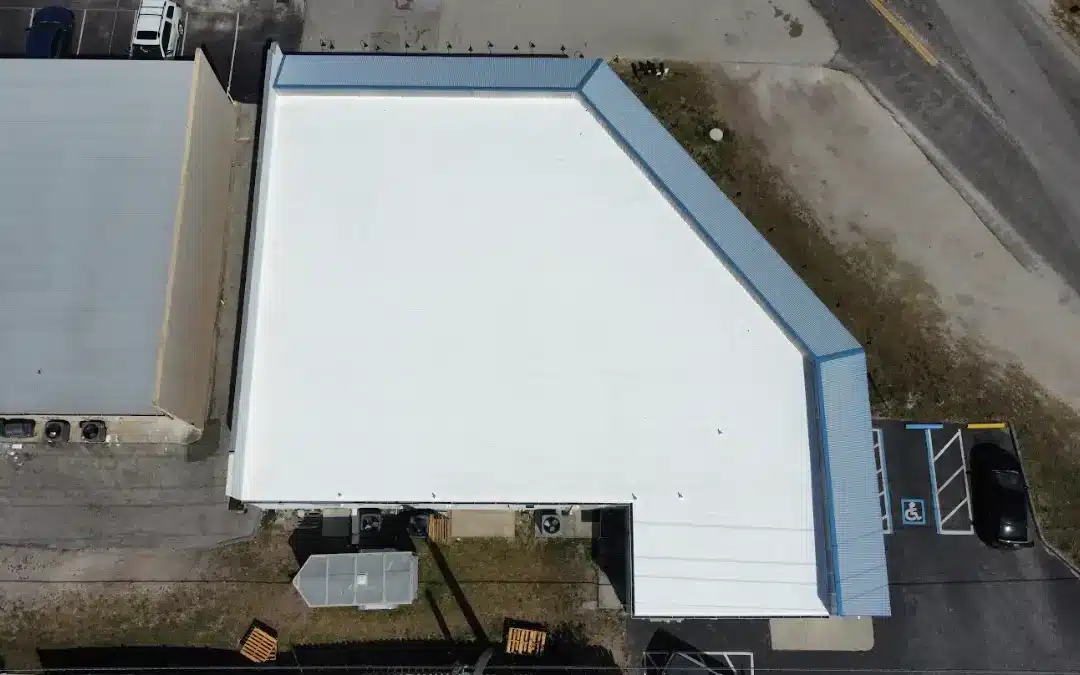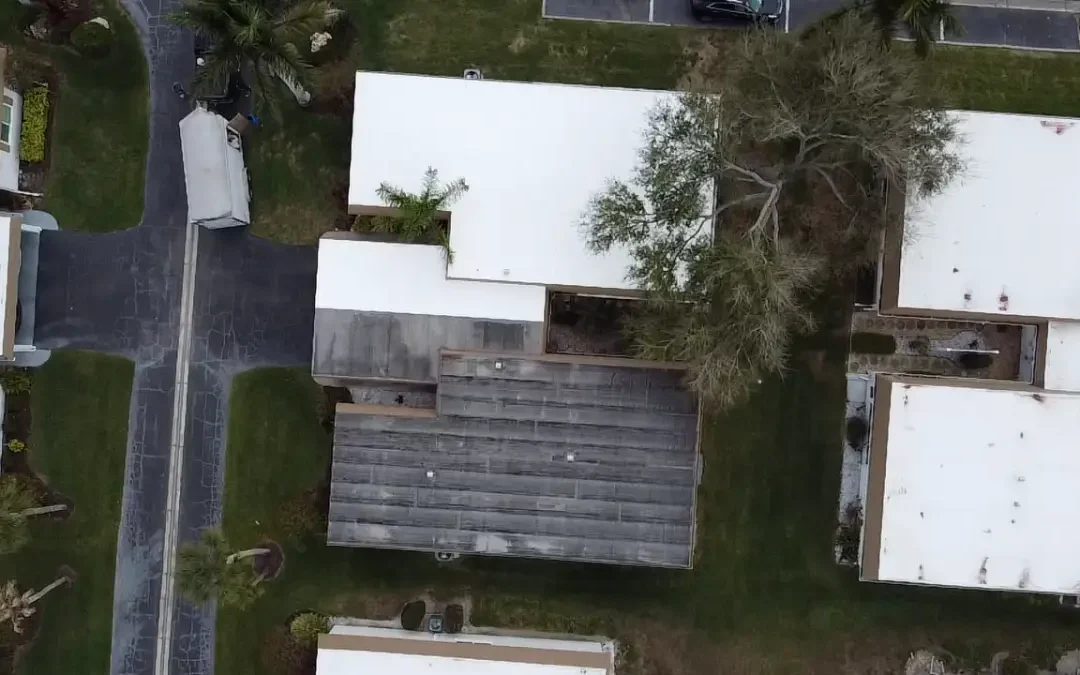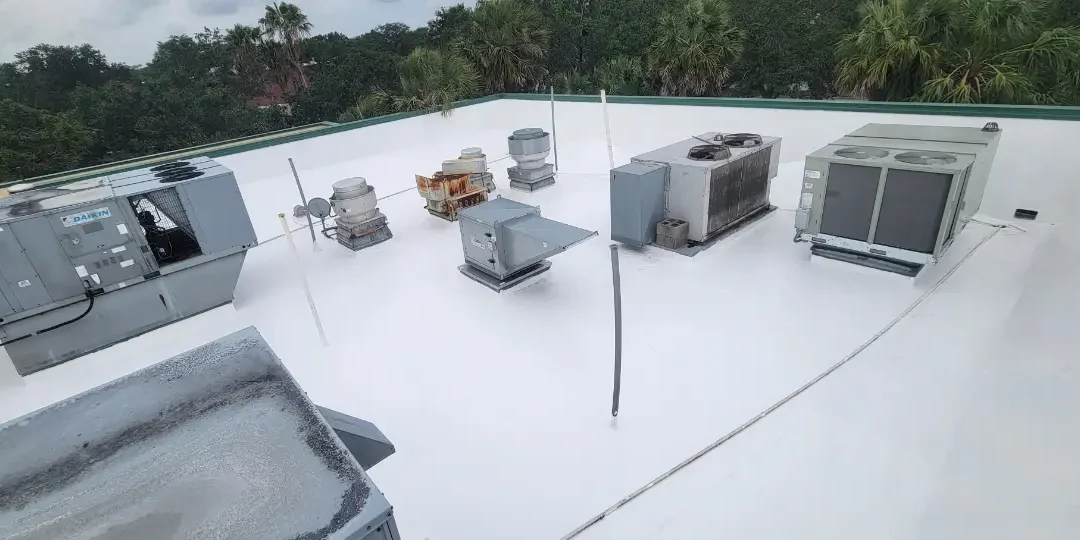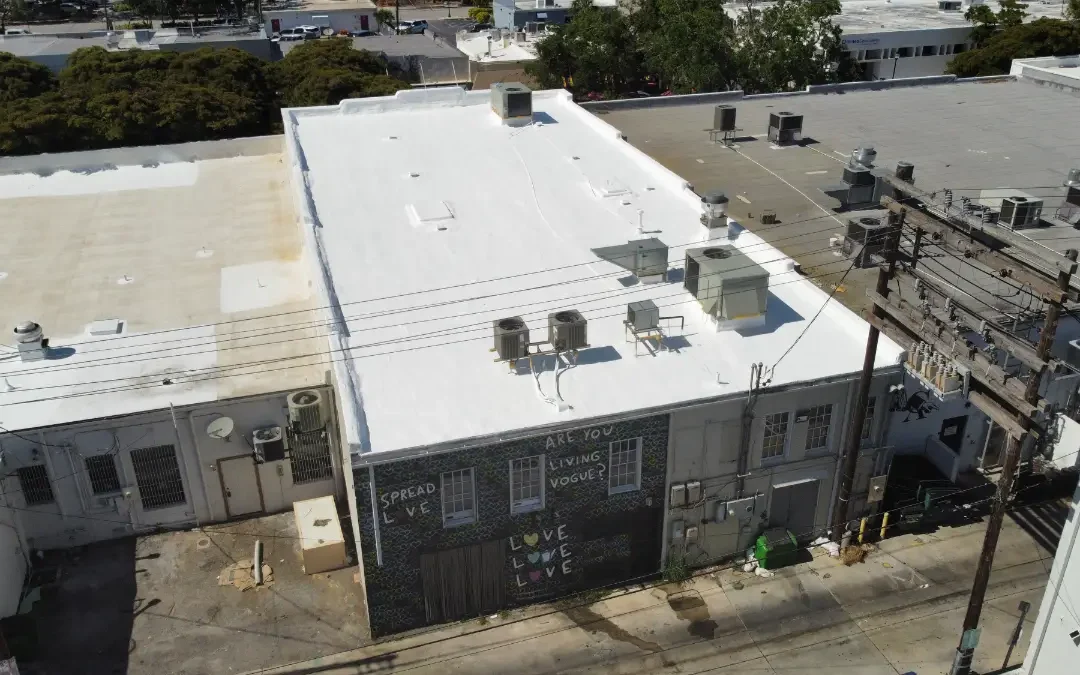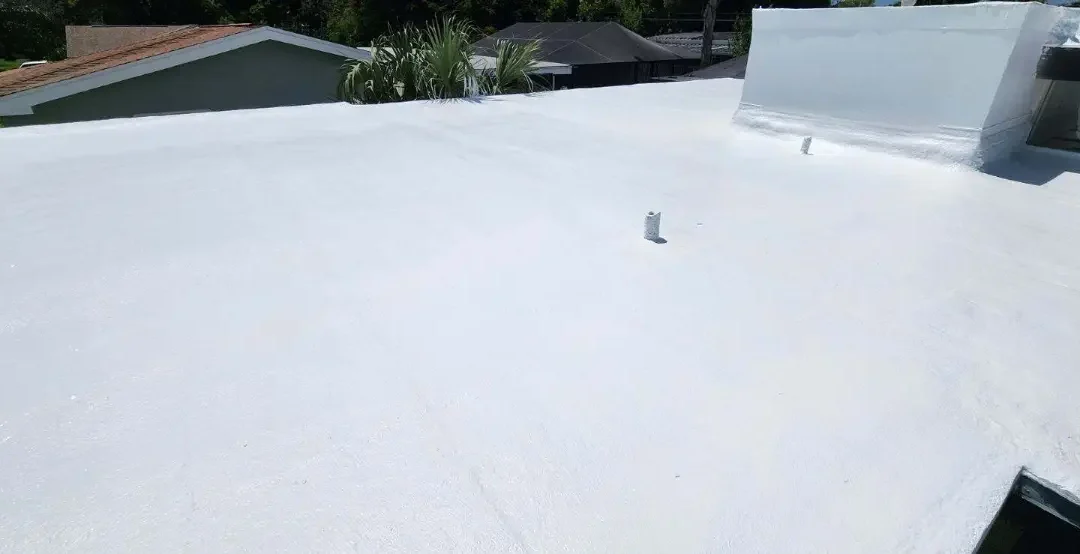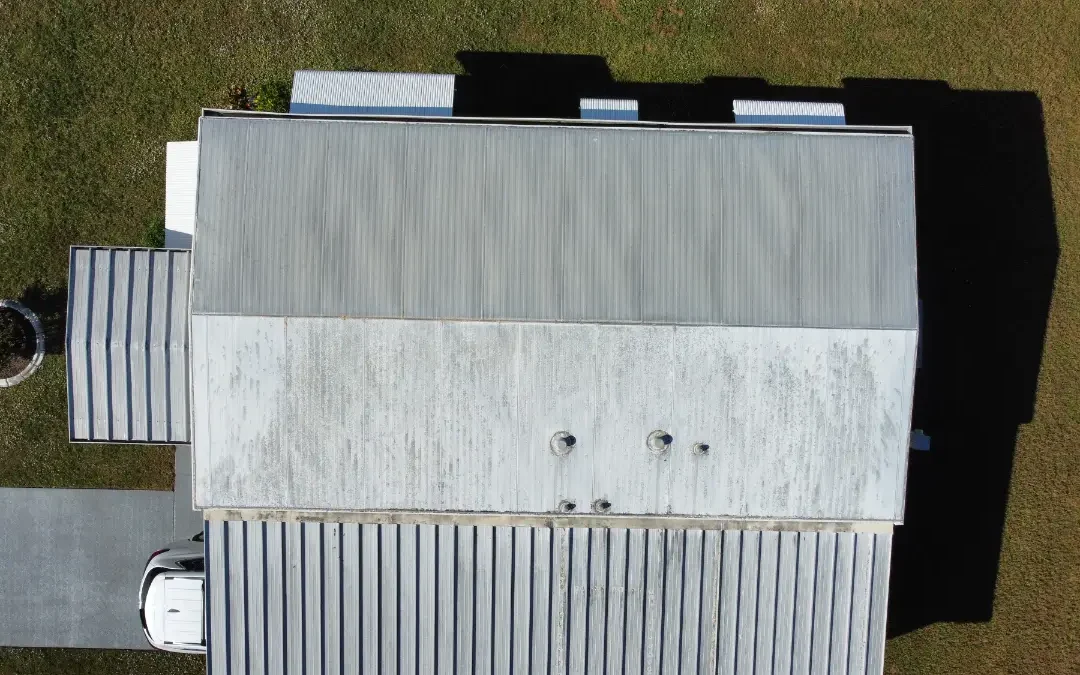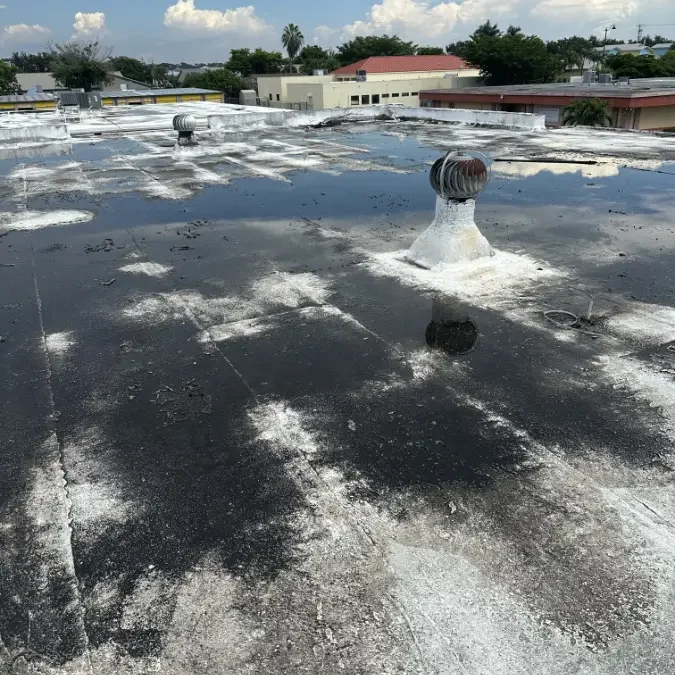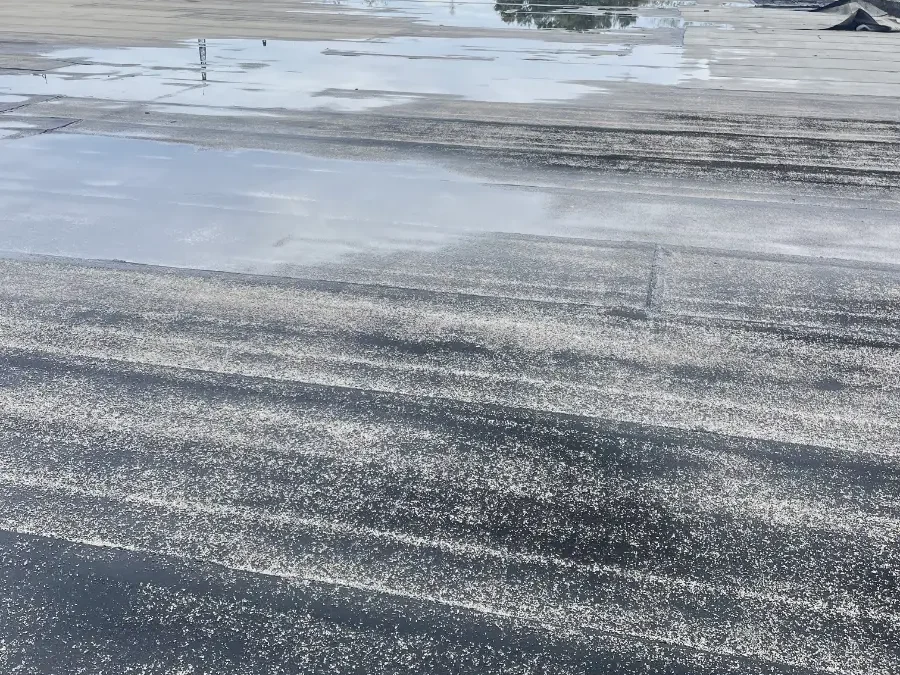
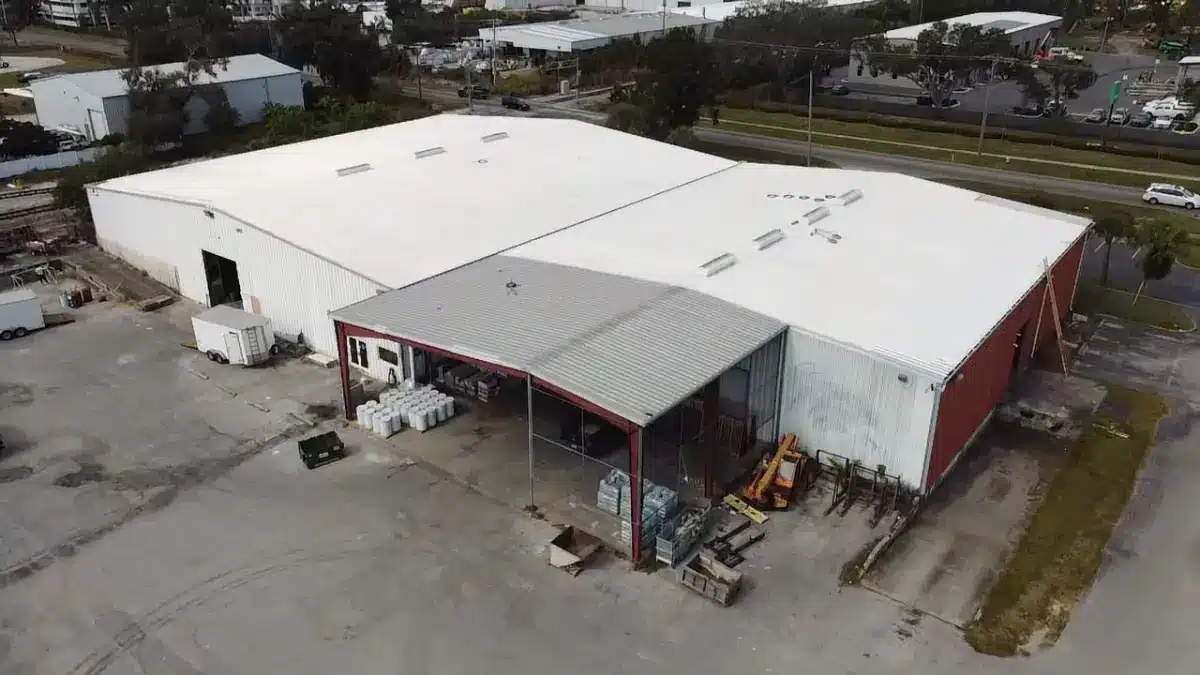
A commercial roof coating may be deductible or eligible for favorable tax treatment, but there is no rule that makes every roof coating an automatic immediate write-off. Some repairs and maintenance may be deductible as business expenses, while work treated as a capital improvement generally must be capitalized unless another provision applies. Importantly, Section 179 specifically includes qualifying roof improvements to nonresidential real property.
For business owners around Indiana, Johnstown, Altoona, DuBois and the wider region, the roofing decision and the tax decision should be treated separately. Lester’s Roofing & Carpentry, based in Rossiter, PA, can determine whether an existing commercial roof can be restored — a CPA or tax professional should determine how the specific scope is treated for tax purposes.
What Is Section 179?
Section 179 allows eligible taxpayers to elect to recover all or part of the cost of certain qualifying property by deducting it in the year it is placed in service, subject to applicable requirements and limits. This can change the timing of the deduction compared with recovering the cost through depreciation.
Does Section 179 Cover Commercial Roofs?
Yes. IRS Publication 946 specifically lists roofs among improvements to nonresidential real property that can be treated as qualified Section 179 real property. The roof improvement must meet the applicable requirements, including the rules concerning when the improvement and building were placed in service.
This is significant for owners of warehouses, factories, offices, retail buildings and other qualifying commercial properties.
Does Every Roof Coating Qualify for Section 179?
No. The IRS identifies qualifying roof improvements in Publication 946; it does not state that every product described as a roof coating automatically qualifies.
A coating project can range from limited maintenance to substantial restoration. The tax treatment depends on the work actually performed and the taxpayer’s circumstances. Property owners should therefore give their accountant the contractor’s detailed scope rather than simply describing the expenditure as “roof coating.”
Is a Roof Coating Tax Deductible?
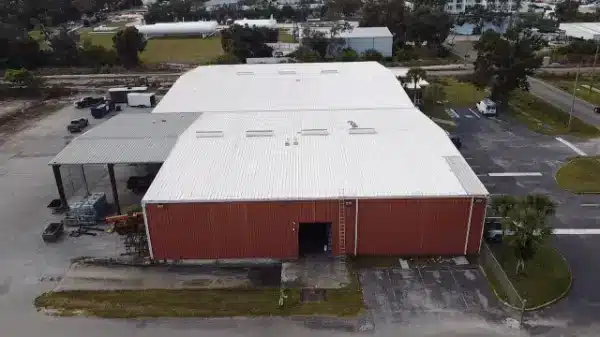
Possibly — but there is no single tax rule that makes every roof coating automatically deductible in the year it is installed.
For federal income tax purposes, the distinction between a deductible repair or maintenance expense and a capital improvement depends on the facts and circumstances.
IRS tangible-property guidance says ordinary and necessary business expenses can include certain repairs and maintenance. However, costs that result in a betterment, restoration or adaptation of property generally must be capitalized.
This distinction matters for roof coatings. A limited maintenance project intended to keep a roof in ordinarily efficient operating condition may receive different treatment from a substantial restoration that materially improves or restores the building. There are also IRS safe-harbor rules that may apply in certain circumstances.
Property owners should therefore avoid assuming that “roof coating equals immediate tax deduction.” The invoice, scope of work, existing roof condition and nature of the project can all matter.
Can Section 179 Apply to a Commercial Roof?
Yes. IRS Publication 946 states that certain improvements to nonresidential real property can be elected as Section 179 property, and roofs are specifically included.
The improvement must meet the applicable requirements, including being placed in service after the nonresidential real property was first placed in service.
This creates an important planning opportunity for qualifying businesses considering roof work. Section 179 can potentially allow a taxpayer to expense qualifying property in the year it is placed in service rather than recovering the entire cost through depreciation over many years. However, eligibility and the amount that can actually be deducted are subject to Section 179 rules, limits and the taxpayer’s individual circumstances.
Just as importantly, the IRS wording refers to qualifying roof improvements; it does not state that every roof coating automatically qualifies.
Before signing a project based on a tax assumption, ask your CPA or tax adviser to review the proposed scope.
Are a Roof Repair, a Roof Improvement, and Section 179 the Same Thing?
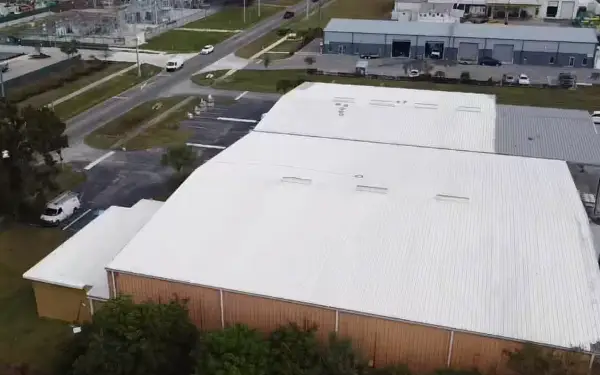 No — there are several possible tax treatments, and they are easy to confuse.
A roof expenditure may potentially be treated as:
- a deductible repair or maintenance expense;
- a capital improvement that is depreciated;
- qualifying Section 179 real property for which an election may be available; or
- an expenditure affected by another applicable tax rule or safe harbor.
The correct treatment depends on the specific project and taxpayer. IRS guidance generally treats an expenditure as an improvement when it is a betterment, restoration, or adaptation to a new or different use. By contrast, amounts that are not improvements may generally be deductible as repairs and maintenance.
This is why Lester’s Roofing & Carpentry can document the roofing work performed, but your accountant should determine the tax treatment.
Why Does Tax Treatment Affect the Roof Restoration Decision?
Tax treatment can influence, but should never drive, a roof restoration decision.
The roofing decision should first be based on whether the existing roof can perform reliably after restoration. Once a viable scope has been identified, the owner can compare:
- the cost of restoration;
- the cost of replacement;
- expected disruption;
- warranty options;
- remaining roof condition; and
- potential tax treatment.
If the work qualifies for favorable tax treatment, that may improve the project’s after-tax economics. However, tax savings should be treated as a potential financial benefit — not as a reason to coat a roof that is structurally unsuitable for restoration.
The roof decision comes first. Tax planning comes alongside it.
How Does This Compare When Weighing Restoration Against Replacement?
Tax treatment is only one part of the roofing decision. Lester’s Roofing & Carpentry takes a restoration-first approach: if an existing commercial roof remains structurally suitable, repairing problem areas and installing a compatible coating system may avoid the cost and disruption of a complete tear-off.
For 2026 budgeting, commercial roof coating in Pennsylvania broadly falls around $2.00 to $7.00 per square foot installed, with many straightforward restoration projects potentially closer to $3.00 to $5.00 per square foot. These figures are based on recent Lester’s Roofing & Carpentry commercial projects across Indiana and Cambria counties.
Once the viable roofing options are known, the owner can ask a tax professional how each option would be treated.
What Should You Ask Your Accountant?
Take the proposed scope and price to your accountant and ask:
- whether the work is a repair, maintenance expense or capital improvement;
- whether a qualifying improvement is eligible for Section 179;
- what current limits and business-income rules apply;
- when the project is considered placed in service; and
- what documentation should be retained.
Is Commercial Roof Coating Tax Deductible? The Bottom Line
Potentially, but the answer depends on the project. Some roofing work may qualify as a deductible repair or maintenance expense. Other work may be a capital improvement. For qualifying nonresidential real property, IRS Section 179 rules specifically include roofs as an eligible category of improvement.
The practical approach is to first determine whether the existing roof can be restored rather than replaced, then provide the detailed roofing scope to a qualified tax professional to determine the correct treatment.
Get a Free Commercial Roof Inspection in Pennsylvania
Lester’s Roofing & Carpentry is based in Rossiter, Indiana County, and provides commercial roof restoration and repair services to communities including Johnstown, Indiana, Altoona, DuBois, Portage, Windber, Nanty Glo, Central City, Houtzdale, Export and Pittsburgh, and throughout Indiana, Cambria, Clearfield and Jefferson counties.
The company has over 16 years of experience and uses a restoration-first approach to determine whether an existing commercial roof can be repaired and coated before complete replacement is considered.
Call Lester’s Roofing & Carpentry at 814-952-2469 to arrange a free commercial roof inspection.
Tax disclaimer: This article provides general information only and is not tax, accounting or legal advice. The tax treatment of roof repairs, coatings and improvements depends on the taxpayer, property, scope of work, applicable limits and tax law in effect for the relevant year. Consult a qualified tax professional before making a tax decision.