Roof repairs are rarely cheap, so it’s natural to wonder whether any of that cost can be claimed at tax time. After a winter leak, storm damage, or years of wear finally catching up with a roof, many property owners start asking the same question: are roof repairs tax deductible?
The answer is often yes, but it’s not always. The difference usually comes down to how the IRS classifies the work. Understanding whether a roofing project counts as a repair, routine maintenance, or a capital improvement can make a meaningful difference to how and when costs are recovered for tax purposes. Taken together, this information is intended to help you understand the basics and ask more informed questions about your specific situation.
This article provides general information about whether roofing work can be claimed as a tax deduction based on US federal tax principles, common interpretations, and the situations our clients most often encounter. It isn’t tax, legal, or financial advice, and it shouldn’t be relied on as a substitute for professional guidance.
While clear roofing documentation can help inform discussions about the tax treatment of roofing work, final decisions about deductions or depreciation always rest with the taxpayer and their adviser. Because every property and financial situation is different, you should confirm how the rules apply to you with a qualified tax adviser or accountant. But in the meantime, this information should get you started.
When roof repairs are tax deductible
In general terms, roof repairs may be tax deductible for income-producing properties when they’re considered ordinary and necessary expenses that keep a building in efficient operating condition. Under US tax law, this usually means work that fixes damage or wear without materially improving, upgrading, or extending the life of the property.
For most people, their primary residence is not income-producing and so roof repairs aren’t going to be tax deductible.
Common examples of roof repairs that are often treated as deductible expenses for income-producing properties include fixing leaks, replacing small sections of damaged roofing, resealing flashing, or addressing isolated storm damage. These types of jobs are typically viewed as maintenance or repairs rather than improvements, because they restore the roof to its previous condition instead of making it significantly better than it was before.
For income-producing properties, such as rental homes or commercial buildings, these repair costs are often deductible in the year the work is completed. This is one reason the distinction between a repair and an improvement matters so much. A deductible repair can reduce taxable income immediately, while other types of roofing work may need to be depreciated over time instead.
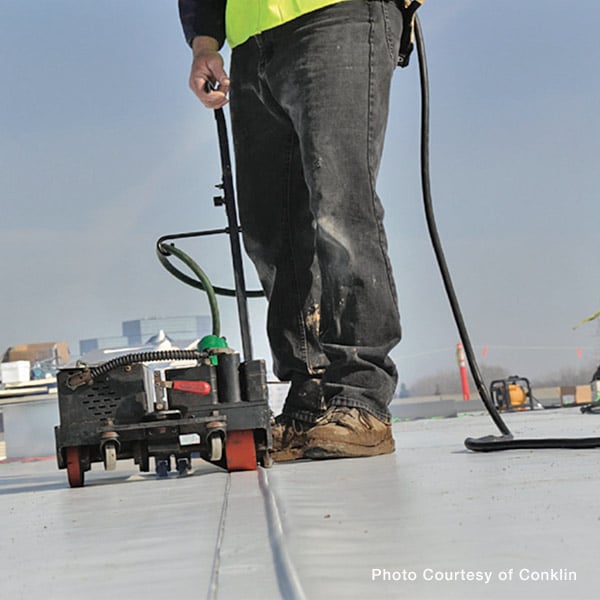
It’s also worth noting that routine roof maintenance is commonly treated differently from major upgrades. Tasks like resealing seams, addressing minor membrane issues, or repairing localized damage are generally more likely to fall under repair or maintenance categories than large-scale projects.
Because tax treatment depends on the specific facts of the work performed, detailed documentation from your roofing contractor plays an important role. Clear descriptions of what was repaired, why the work was necessary, and how it relates to existing roof conditions can help your tax adviser determine whether the cost qualifies as a deductible roof repair under US tax rules.
Roof repairs vs capital improvements
One of the most important distinctions in US tax law, for the purposes of this discussion at least, is the difference between a roof repair and a capital improvement. While the two can look similar on the surface, they’re treated very differently for tax purposes.
Broadly speaking, a roof repair restores the roof to its previous condition. It fixes damage, wear, or deterioration without materially adding value, changing the roof’s function, or significantly extending its useful life. Capital improvements, on the other hand, upgrade the property in a lasting way. They typically improve performance, increase value, or adapt the building for a new or different use.
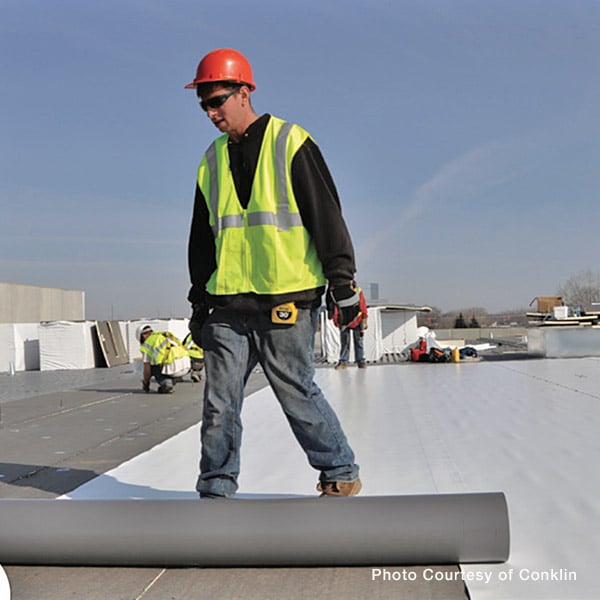
From an IRS perspective, roofing work is more likely to be treated as a capital improvement when it involves a full roof replacement, a major structural upgrade, or the installation of a new roofing system that goes beyond restoring the existing one. These projects are usually capitalized rather than deducted, meaning the cost is recovered gradually through depreciation instead of being written off in a single year.
This distinction is especially important because even necessary work isn’t automatically considered a repair. A large or comprehensive roofing project can still be classified as an improvement if it replaces a substantial portion of the roof or materially extends the building’s lifespan.
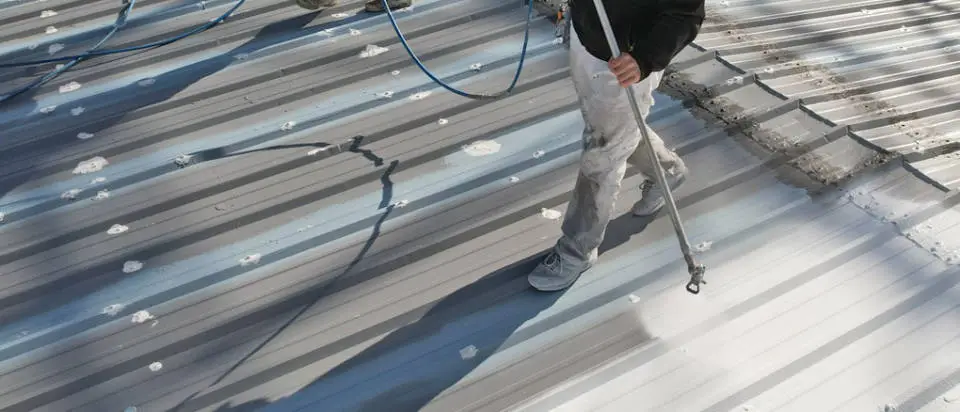
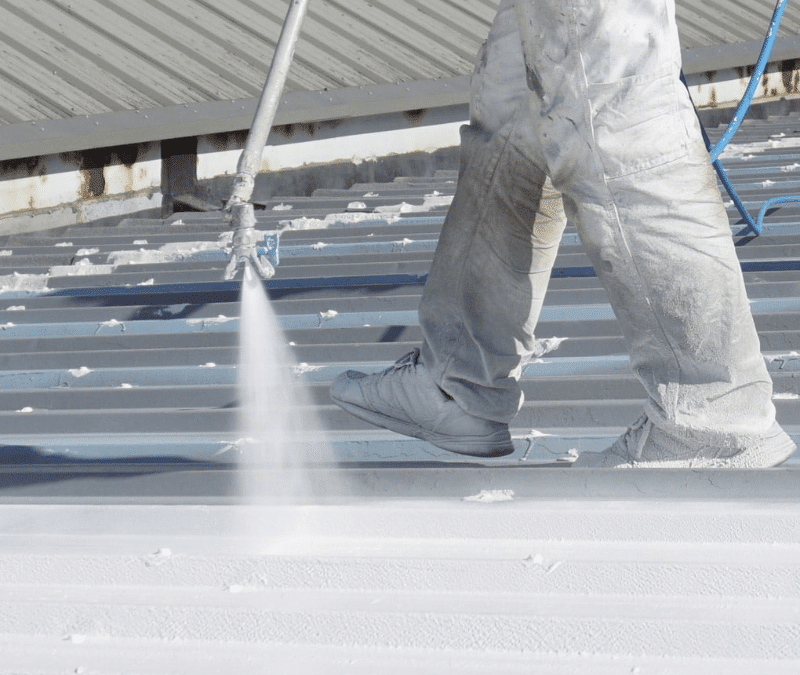
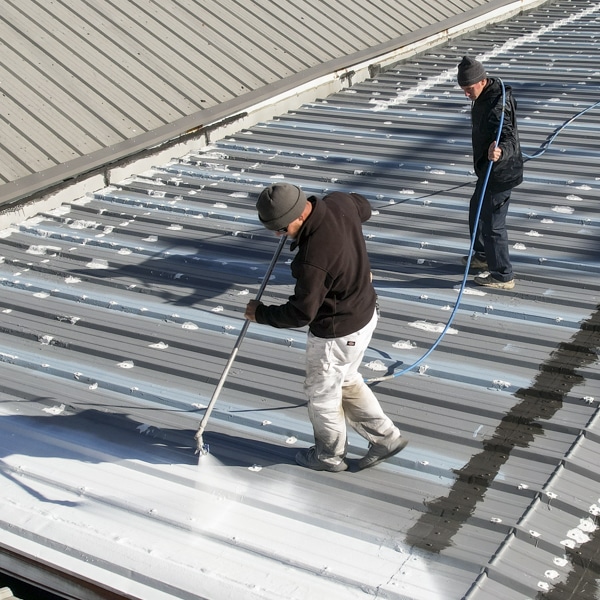
Applying roof coatings is a good example of roofing work that could fall under either category. If your roof previously had a coating and it’s started to fail, re-coating the roof may count as a repair because you’re restoring the functionality of the previous coating. However, if only a small section of the coating has failed, re-coating the entire roof might be classed as an improvement because coatings extend the life of the roof and improve the energy efficiency of the building.
In practical terms, this is why two roofing projects with similar costs can receive very different tax treatment. A targeted repair to stop ongoing leaks may qualify as a deductible expense, while a broader restoration or replacement addressing the entire roof system may need to be capitalized.
For this reason, many property owners rely on their tax advisers to assess how the IRS repair versus improvement rules apply to their situation. Having clear, itemised roofing documentation that explains the scope and purpose of the work can make that evaluation far easier and more accurate.
Are roof repairs depreciable?
Depreciation is the process of spreading the cost of certain property expenses over multiple years rather than deducting them all at once. In US tax law, depreciation typically applies to capital improvements, not to routine repairs or maintenance.
Because of this, roof repairs themselves are usually not depreciated. When roofing work qualifies as a true repair, the cost is more commonly deducted in the year the expense is incurred, assuming the property is used for income-producing purposes. Depreciation generally comes into play when the roofing project is classified as a capital improvement instead.
For example, a full roof replacement or a major upgrade that significantly extends the useful life of a building may need to be capitalized and depreciated over time. For commercial properties, this depreciation is often spread over many years, reflecting the long-term nature of the improvement. Residential rental properties follow similar principles, though the applicable recovery periods can differ.
This is where confusion often arises. Property owners may hear that “roof repairs are depreciable” when, in reality, it’s the improvement portion of the work, such as the application of a roof coating, that’s being depreciated. The classification of the project, not the fact that it involves a roof, is what determines the tax treatment.
Because depreciation rules can be complex and depend on how the work is categorised, most property owners rely on a tax professional to decide whether a roofing expense should be depreciated or deducted. Detailed invoices and clear descriptions of the work performed help support that decision and reduce uncertainty at tax time.
Rental properties, commercial buildings, and homes
Whether roof repairs are deductible or depreciable often depends on how the property is used. US tax law generally treats owner-occupied homes, rental properties, and commercial buildings differently, even when the roofing work itself looks similar.
For rental properties, roof repairs that qualify as ordinary and necessary maintenance are commonly treated as deductible expenses. This can include fixing leaks, repairing storm damage, or addressing localized wear that doesn’t materially improve the property. These deductions are typically claimed in the year the repair is completed, which can help offset rental income.
Commercial buildings follow similar principles. Roof repairs on income-producing commercial properties are often deductible when they restore the roof to its previous condition without upgrading the system. Larger projects that improve performance, extend lifespan, or replace substantial portions of the roof are more likely to be treated as capital improvements and depreciated over time instead.
Owner-occupied residential homes are different. In most cases, roof repairs on a primary residence aren’t deductible because the property isn’t used to generate income. While this can be frustrating for homeowners dealing with unexpected repair costs, it reflects a broader rule in US tax law that personal expenses generally aren’t deductible.
In limited circumstances, such as when part of a home is used regularly and exclusively for a home-based business, a portion of certain expenses may be deductible. Whether roof repairs qualify, and to what extent, depends on the specific facts and should be confirmed with a tax adviser.
The key takeaway is that property use matters as much as the type of roofing work performed. Two identical roof repairs may receive different tax treatment depending on whether the building is a rental, a commercial property, or a personal residence. This is why confirming the details with a tax adviser is so important, especially for property owners with mixed-use or multi-property portfolios.
How roof repair classification affects your tax outcome
So, are roof repairs tax deductible or depreciable? In many cases, roof repairs that restore a building to its previous condition may be deductible, while larger roofing projects that improve or replace a roof are more likely to be depreciated over time. The difference usually comes down to how the work is classified under US tax rules and how the property is used.
For rental and commercial properties, understanding this distinction can have a real impact on cash flow and tax planning. For homeowners, it helps set realistic expectations about what can and can’t be claimed. In every case, accurate documentation and professional advice play a critical role.
If you’re planning roof repairs or restoration in Pennsylvania, Lester’s Carpentry can assess your roof and provide clear, detailed documentation of the work performed. That clarity helps you move forward with confidence when it’s time to speak with your tax professional.