Many commercial roofing emergencies begin with problems that could have been identified months earlier during a simple inspection. For Pennsylvania businesses, regular commercial roof inspections help reduce costly disruptions, prevent emergency repairs, and extend the life of the roof before small issues become major operational problems.
Commercial roofs across Pennsylvania are exposed to snow, ice, freeze–thaw cycles, heavy rain, wind, humidity, and seasonal temperature fluctuations. Over time, even relatively minor roofing issues can worsen beneath the surface without obvious warning signs.
For all Pennsylvania commercial properties, a professional commercial roof inspection should be scheduled at least twice yearly. For many businesses, the timing will typically be once in spring and once in fall, along with additional inspections after major storms or visible roof damage. However, there are several factors that can mean you may choose a different cadence.
Why Pennsylvania commercial roofs need regular inspections
Commercial roofing systems in Pennsylvania endure significant year-round stress. While some forms of roof damage happen suddenly during storms, many roofing problems develop gradually as weather, moisture, and temperature changes slowly weaken the roofing system.
Without regular commercial roof inspections, these smaller issues often remain unnoticed until they begin affecting business operations, interior spaces, insulation, inventory, or structural components.
Pennsylvania weather is tough on commercial roofing systems
Pennsylvania’s climate creates several challenges for commercial roofs, particularly flat and low-slope systems commonly found on warehouses, retail buildings, schools, churches, agricultural buildings, and apartment complexes.
One of the biggest issues is the state’s freeze–thaw cycle. Moisture can enter small cracks, seams, or flashing gaps during wet weather. When temperatures drop, the trapped water freezes and expands, gradually widening those openings and worsening roof deterioration over time.
Snow and ice place additional stress on commercial roofing systems as melting snow creates ponding water on flat roofs, while ice buildup can affect drainage systems, flashing, seams, and roof penetrations.
Heavy rain and seasonal storms increase the risk of:
- Water intrusion
- Membrane separation
- Wind uplift damage
- Flashing failure
- Hidden insulation damage
Even during warmer months, UV exposure and heat gradually break down roofing materials, coatings, and sealants, particularly on older roofs.
Small roofing issues rarely stay small
One of the most common misconceptions among commercial property owners is that roofing problems appear suddenly. In reality, most major roofing failures begin as relatively minor issues.
A small seam separation may initially allow only a tiny amount of moisture into the roofing system. Over time, however, that moisture can spread through insulation, decking, ceilings, and wall cavities. What could have been addressed with a relatively minor repair may eventually require far more extensive restoration work.
Similarly, drainage problems that appear insignificant during dry weather can become serious during periods of heavy rain or snowmelt. Ponding water places additional stress on roofing materials and increases the likelihood of leaks and premature roof deterioration.
Because many of these problems develop gradually, commercial roofs can continue appearing functional from ground level even while damage worsens beneath the surface.
How regular roof inspections save Pennsylvania businesses money
Regular commercial roof inspections are usually far less expensive and disruptive than emergency roofing repairs.
When roofing issues are identified early, repairs are often smaller, faster, and easier to schedule around business operations. Property owners may be able to avoid:
- Emergency leak response
- Interior water damage
- Business interruptions
- Inventory damage
- Tenant complaints
- Premature roof replacement
Preventive inspections can also help extend the lifespan of commercial roofing systems by identifying maintenance needs before widespread deterioration occurs.
For many Pennsylvania businesses, schools, churches, and commercial facilities, this proactive approach supports better long-term budgeting and reduces the likelihood of unexpected roofing expenses.
In many cases, early inspections may also reveal opportunities for roof restoration or coating systems that can extend roof life significantly without requiring a full replacement.
What happens during a commercial roof inspection?
Many property owners know they should schedule a commercial roof inspection, but they’re not always sure what the inspection process actually involves.
A professional commercial roofing inspection is designed to identify existing damage, uncover developing problems, evaluate the overall condition of the roofing system, and help property owners plan repairs or maintenance before issues become more serious.
Because many commercial roofing problems are not immediately visible from inside the building, inspections focus heavily on identifying early warning signs that may otherwise go unnoticed. All thorough commercial roof inspections should involve assessment of the interior and exterior surfaces and you should receive a detailed report.
Exterior roof inspection
The exterior portion of the inspection typically involves a detailed assessment of the roofing system itself, particularly the areas most vulnerable to leaks, water intrusion, and weather-related deterioration.
During a commercial roof inspection, roofing professionals commonly check:
- Roofing membranes or coating systems
- Seams and flashing
- Roof penetrations around HVAC systems, vents, skylights, and pipes
- Drainage systems, gutters, and downspouts
- Ponding water or low spots
- Fasteners and attachment points
- Signs of rust or corrosion on metal roofing
- Cracks, punctures, blistering, or membrane separation
- Signs of storm or wind damage
- Areas of previous repairs
Flat and low-slope commercial roofs often receive particularly close attention because drainage problems can develop gradually and may not become obvious until leaks begin affecting the building interior.
Roof coatings and restoration systems are also inspected for signs of wear, adhesion problems, cracking, or thinning that may reduce their effectiveness over time.
Interior inspection
A commercial roof inspection does not stop at the exterior roofing surface. In many cases, interior warning signs provide important clues about hidden roofing issues.
Inside the building, inspectors may look for:
- Ceiling stains or water marks
- Active leaks or moisture intrusion
- Mould or mildew growth
- Insulation damage
- Signs of trapped moisture
- Structural concerns related to prolonged water exposure
Specialist equipment is helpful during this part of the inspection to allow the roofer to assess the condition of roof elements that can’t be seen — e.g. moisture absorbed into the insulation.
Sometimes, interior moisture problems appear far away from the actual roof leak because water can travel through insulation, decking, or structural components before becoming visible inside the building.
For this reason, even minor interior staining should not be ignored.
Inspection reports and maintenance recommendations
After the inspection is complete, property owners are typically provided with a summary of the roof’s condition along with photographs, repair recommendations, and maintenance priorities.
Depending on the roofing system and its condition, recommendations may include:
- Minor repairs
- Preventive maintenance
- Drainage improvements
- Flashing repairs
- Roof coating restoration
- Monitoring specific problem areas
- Planning for future replacement or restoration
These reports help Pennsylvania property owners make more informed decisions about budgeting, maintenance scheduling, and long-term roof management.
Here at Lester’s Carpentry, our extensive experience allows us to inspect a wide range of roofing systems, including:
- TPO roofing
- Metal roofing
- Flat roofing systems
- Spray polyurethane foam roofing
- Elastomeric roof coatings
- Fabric-reinforced restoration systems
Because each roofing system ages differently and responds differently to Pennsylvania weather conditions, inspections should be tailored to the specific roof type and building environment rather than treated as a one-size-fits-all process.
How often should commercial roofs be inspected?
For most Pennsylvania commercial properties, a professional commercial roof inspection should be scheduled at least twice per year.
In general, the best times for scheduled twice-yearly commercial roof inspections are:
- Once in spring
- Once in fall
This schedule allows property owners to assess any damage caused by winter weather and prepare the roofing system before colder temperatures return later in the year.
However, twice-yearly inspections are only the baseline recommendation. Some commercial roofs may require more frequent monitoring depending on their age, condition, roofing material, drainage performance, and exposure to severe weather.
Spring inspections help identify winter damage
Winter conditions in Pennsylvania place significant stress on commercial roofing systems.
Snow accumulation, ice buildup, freeze–thaw cycles, and prolonged moisture exposure can gradually weaken roofing materials, flashing, seams, and drainage systems. In many cases, this damage is not immediately obvious from inside the building.
A spring commercial roof inspection helps identify:
- Damage caused by snow and ice
- Drainage issues from winter debris
- Moisture intrusion
- Flashing separation
- Cracks or punctures
- Areas where water may have pooled during snowmelt
By identifying these issues early, property owners can often schedule repairs before heavy spring and summer rain increases the likelihood of leaks and interior damage.
Fall inspections help prepare roofs for winter
Fall inspections are equally important because they help commercial property owners prepare their roofing systems for Pennsylvania’s colder months.
Before winter arrives, roofing professionals can identify vulnerabilities that may worsen once temperatures drop or snow begins accumulating on the roof.
Fall inspections commonly focus on:
- Drainage performance
- Seam integrity
- Flashing condition
- Existing moisture issues
- Areas vulnerable to ice formation
- Roof penetrations and exposed fasteners
Addressing these problems before winter significantly reduces the risk of emergency roofing situations during periods of snow, freezing rain, and severe weather.
Commercial roofs should also be inspected after major storms
In addition to scheduled inspections, commercial roofs should be inspected after severe weather events.
High winds, hail, heavy rain, fallen debris, and snowstorms can damage roofing systems even when leaks are not immediately visible.
Storm-related commercial roof inspections can help identify:
- Wind uplift damage
- Punctures from debris
- Loose flashing
- Membrane separation
- Drainage blockages
- Hidden impact damage
Early storm inspections are especially important because some forms of damage may continue worsening long after the weather event itself has passed.
Older and flat commercial roofs may need more frequent inspections
Some commercial roofing systems benefit from inspections more often than twice yearly.
Older roofs generally require closer monitoring because roofing materials naturally deteriorate over time. Seals, coatings, fasteners, and flashing become more vulnerable as the roof ages, increasing the likelihood of leaks and weather-related damage.
Flat and low-slope roofs may also require more frequent inspections because they are more prone to:
- Ponding water
- Drainage problems
- Seam deterioration
- Membrane stress
- Hidden moisture intrusion
Commercial buildings with large rooftop HVAC systems, heavy foot traffic, or complex roof layouts may also experience faster wear in certain areas.
In these situations, a more proactive inspection schedule helps property owners identify developing problems before they begin affecting business operations or causing expensive repairs.
Signs your commercial roof should be inspected immediately
While scheduled commercial roof inspections are an important part of preventive maintenance, some situations require immediate attention regardless of when the last inspection occurred.
Commercial roofing systems often show warning signs before major failures happen. Identifying these issues early can help Pennsylvania property owners avoid larger repairs, operational disruptions, and costly interior damage.
If any of the following problems appear, it is a good idea to schedule a commercial roof inspection as soon as possible.
Interior leaks or water stains
One of the clearest warning signs of roofing problems is visible water intrusion inside the building.
Brown ceiling stains, dripping water, bubbling paint, damp insulation, or unexplained moisture around walls and ceilings may indicate that water is entering the roofing system.
Even small leaks should be taken seriously because moisture can spread through insulation, decking, and structural components long before the full extent of the damage becomes visible.
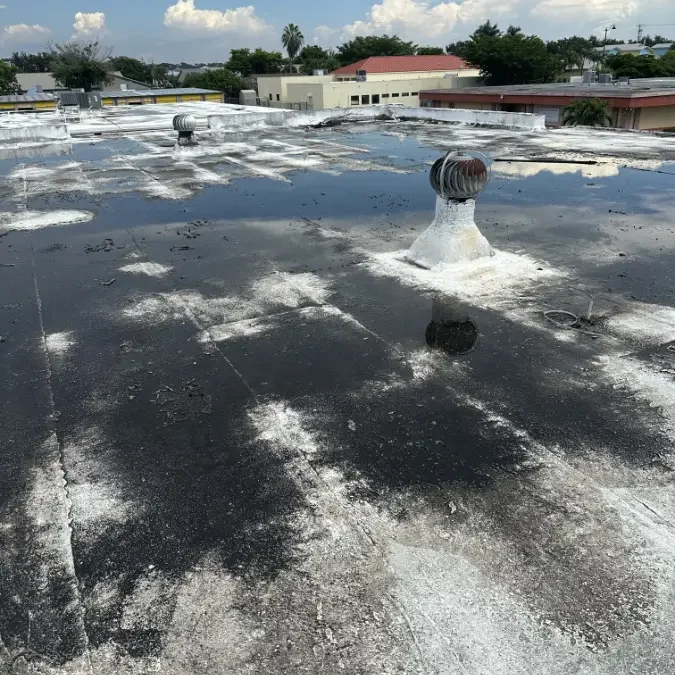
Ponding water on flat roofs
Standing water is a common issue on flat and low-slope commercial roofs.
If water remains on the roof for extended periods after rainfall or snowmelt, it may indicate:
- Drainage problems
- Structural settling
- Blocked drains
- Low areas in the roofing system
Over time, ponding water can accelerate membrane deterioration, increase the risk of leaks, and place additional stress on the roofing structure.
Bubbling, blistering, or membrane separation
Roofing materials that begin bubbling, blistering, cracking, or separating may indicate trapped moisture, ageing materials, or failing adhesion.
These issues are often early indicators of larger roofing problems developing beneath the surface.
Commercial roof coatings and membrane systems should be inspected promptly when these warning signs appear.
Loose flashing or visible roof damage
Flashing around vents, skylights, HVAC systems, and roof edges is one of the most common areas for leaks to develop.
Loose flashing, exposed fasteners, rust, punctures, or visible storm damage should be inspected quickly before water intrusion worsens.
This is particularly important after periods of:
- High winds
- Hail
- Heavy rain
- Snowstorms
- Falling debris
Rising energy bills or unexplained humidity issues
Sometimes roofing problems appear indirectly through changes inside the building.
Damaged roofing systems or wet insulation can reduce energy efficiency and make temperature regulation more difficult. In some cases, property owners may notice:
- Higher heating or cooling costs
- Increased indoor humidity
- Persistent damp smells
- Mould or mildew growth
Because these symptoms can develop gradually, they are sometimes overlooked until roofing damage becomes more severe.
The earlier roofing problems are identified, the better
Many emergency commercial roofing situations begin as relatively manageable maintenance issues.
When inspections happen early, repairs are usually:
- Smaller
- Faster
- Less disruptive
- More affordable
Waiting until active leaks or operational disruptions occur often increases both repair complexity and overall costs.
For Pennsylvania commercial property owners, proactive inspections remain one of the most effective ways to reduce roofing emergencies and extend the lifespan of the roofing system.
Commercial roof inspection checklist for Pennsylvania property owners
While professional commercial roof inspections are essential, property owners and facility managers can also perform basic visual checks throughout the year to help identify potential roofing issues early.
These simple checks are not a replacement for professional inspections, but they can help you monitor your roof’s condition between scheduled visits and reduce the likelihood of unexpected roofing emergencies by giving you the opportunity to book an out-of-schedule professional inspection as soon as issues crop up.
Below is a practical commercial roof inspection checklist for Pennsylvania properties.
Schedule professional roof inspections twice yearly
Before you do anything else, go ahead and schedule in those fall and spring inspections.
Check for standing water after rain or snowmelt
Ponding water is one of the most common warning signs on flat and low-slope commercial roofs.
After heavy rain or melting snow, look for areas where water remains on the roof for extended periods. Persistent ponding may indicate:
- Drainage problems
- Blocked drains
- Structural settling
- Low areas in the roofing system
Inspect drains, gutters, and downspouts
Blocked drainage systems can quickly contribute to water buildup and roof deterioration.
Check for:
- Leaves and debris
- Drain blockages
- Overflowing gutters
- Damaged downspouts
- Areas where water is not draining properly
Drainage problems are especially important to address before winter and during periods of heavy rainfall.
Look for visible roofing damage
Watch for signs of roofing deterioration such as:
- Cracks or punctures
- Loose flashing
- Rust or corrosion
- Bubbling or blistering
- Open seams
- Missing fasteners
- Damaged roof coatings
Even minor visible damage may allow moisture to enter the roofing system over time.
Monitor interior warning signs
Roofing issues are not always visible from the exterior.
Inside the building, look for:
- Ceiling stains
- Damp insulation
- Dripping water
- Mould or mildew smells
- Increased humidity
- Unexplained temperature fluctuations
These problems may indicate hidden roof leaks or moisture intrusion.
Review rooftop equipment areas
Commercial roofs with HVAC systems, vents, skylights, solar equipment, or frequent foot traffic often experience additional wear around penetrations and access points.
Pay particular attention to:
- Flashing around rooftop equipment
- Seal condition
- Signs of movement or separation
- Areas where maintenance crews regularly walk
Keep records of inspections and repairs
Maintaining inspection records can help property owners:
- Track recurring issues
- Plan maintenance budgets
- Monitor roof ageing
- Support warranty compliance
- Prioritise repairs more effectively
Inspection reports, repair records, and roof photographs can also provide valuable documentation after storms or insurance events.
Address small problems before they worsen
One of the most important parts of any commercial roof maintenance strategy is responding to minor issues quickly.
Small roofing problems are usually easier and less expensive to repair when identified early. Delaying maintenance often increases the likelihood of:
- Water intrusion
- Structural damage
- Operational disruption
- Emergency repair costs
- Premature roof replacement
For Pennsylvania businesses, preventive roof maintenance and regular inspections are often the most cost-effective way to protect the long-term performance of a commercial roofing system.
Frequently Asked Questions About Commercial Roof Inspections
How much does a commercial roof inspection cost?
Commercial roof inspection costs can vary depending on factors such as:
- Roof size
- Roof accessibility
- Roofing system type
- Building complexity
- Whether specialised testing is required
Some roofing companies, including Lester’s Carpentry, offer free preliminary inspections, particularly after storms or when visible roofing issues are present.
However, even when inspections involve a fee, preventive inspections are typically far less expensive than emergency repairs, interior water damage, or premature roof replacement.
Can a commercial roof inspection help prevent leaks?
Yes. One of the primary purposes of a commercial roof inspection is to identify developing problems before active leaks occur.
Many commercial roofing issues begin gradually through:
- Small seam separations
- Flashing deterioration
- Drainage problems
- Membrane wear
- Minor punctures or storm damage
When these issues are identified early, repairs can often be completed before moisture enters the building and causes larger problems.
How long does a commercial roof inspection take?
The length of a commercial roof inspection depends on the size and complexity of the building.
Smaller commercial properties may take only a few hours to inspect, while larger facilities or roofs with multiple levels, rooftop equipment, or extensive damage may require more time.
The inspection process may also take longer if moisture testing, detailed documentation, or repair planning is needed.
Are commercial roof inspections required for roof warranties?
Many commercial roofing manufacturers recommend or require regular inspections and documented maintenance as part of their warranty conditions.
Failing to maintain the roof properly may affect warranty coverage in some situations, particularly if preventable damage is allowed to worsen over time.
Routine inspections help property owners identify maintenance issues early while maintaining better records of the roof’s condition.
Which commercial roofs should be inspected most often?
Some roofing systems benefit from more frequent inspections than others.
Commercial roofs that may require closer monitoring include:
- Older roofing systems
- Flat and low-slope roofs
- Roofs with recurring drainage issues
- Buildings with large rooftop HVAC systems
- Roofs exposed to frequent storms or heavy snowfall
- Roofs with significant foot traffic
These roofing systems are often more vulnerable to hidden moisture intrusion, ponding water, and gradual deterioration.
Prevent costly roofing emergencies with regular commercial roof inspections
Commercial roofing problems rarely appear overnight. In many cases, leaks, drainage issues, and structural damage begin as relatively small problems that gradually worsen over time.
For Pennsylvania businesses, regular commercial roof inspections are one of the most effective ways to reduce operational disruptions, avoid emergency repairs, and extend the lifespan of the roofing system.
Most commercial roofs should be professionally inspected at least twice yearly, along with additional inspections after severe weather or visible roof damage. Preventive inspections help property owners identify issues earlier, schedule repairs proactively, and avoid the higher costs that often accompany roofing emergencies.
Whether your building has a flat roof, metal roof, TPO system, or roof coating system, a proactive maintenance strategy can help protect both the building and the business operating beneath it.
Protect your Pennsylvania commercial property before small roofing issues turn into costly disruptions. Contact Lester’s Carpentry today to schedule a professional commercial roof inspection and maintenance assessment.