What to Budget for Roof Maintenance in Pennsylvania This Year
Many Pennsylvanian roofs reach the end of their life far earlier than they should, not because they were poorly built (although that can happen too), but because their owners didn’t plan for regular maintenance. Small issues that could have been repaired for a modest cost are often left to grow through winter, when freeze–thaw cycles widen cracks, weaken membranes, and push moisture deeper into the roof structure.
The beginning of the calendar year is the ideal time to take stock of your roof’s condition and map out a clear maintenance budget. With inspections, coatings, and small repairs planned ahead of time, you can avoid emergency callouts, extend the life of your roofing system, and ensure your property stays protected through every season.
This guide will help you understand the current costs of inspections and maintenance, the financial benefit of restoration over early replacement, and how to build a realistic budget that supports a healthier, longer-lasting roof.
Why planning your roof maintenance budget matters
A well-timed roof budget keeps small issues from turning into costly surprises. Pennsylvania’s weather puts every roof under stress, particularly through winter when freeze–thaw cycles push moisture into tiny cracks and widen them over time. Many of the problems that show up in spring could have been avoided with consistent maintenance or a simple repair carried out earlier.
Planning your maintenance budget before the busy season ensures you’re ready to act as soon as temperatures rise. Instead of reacting to leaks or surface damage, you can schedule inspections, coatings, or repairs at the right time and at the right price. Owners who budget ahead consistently spend less across the life of their roof because they’re addressing issues while they’re still minor and preventing the kind of deterioration that leads to early replacement.
A thoughtful roof maintenance budget gives you more than predictable costs. It also protects the long-term value of the building, extends the life of the roofing system, and keeps warranties intact. For both homeowners and commercial property managers, it’s a practical way to maintain control over your asset and avoid expensive emergencies.
Typical 2026 inspection and maintenance costs in Pennsylvania
Most owners underestimate how affordable early-stage maintenance can be. The real expenses appear when minor damage is left unattended, because even a small leak can spread through insulation, decking, or internal plasterboard before anyone notices. By budgeting based on current inspection and maintenance rates, you give yourself the chance to fix issues early and avoid structurally significant repairs later.
Roof inspection costs in PA
A standard roof inspection in Pennsylvania typically ranges from USD 150 to USD 350 for residential properties, depending on size, height, and roof type. Commercial inspections often fall between USD 250 and USD 600, particularly for larger flat or low-slope roofing systems that require more detailed assessment. A high-quality inspection should include surface checks, flashing assessments, moisture detection, guttering review, and a written condition report.
However, for a limited time, we’re offering free roof inspections, so you can get to know us with no risk.
Routine maintenance and minor repair costs
Routine maintenance visits may cost USD 200 to USD 500 for residential roofs and USD 300 to USD 900 for commercial roofs. The range depends on accessibility, roof age, and the amount of cleaning or sealing required. Most owners can expect small tasks such as sealing exposed fasteners, patching minor splits, re-caulking flashings, or clearing drainage channels to fall within this range.
Common repair costs
- Leak repairs: USD 250 to USD 800, depending on location and underlying moisture damage.
- Flashing repairs: USD 300 to USD 1,200, depending on length and complexity.
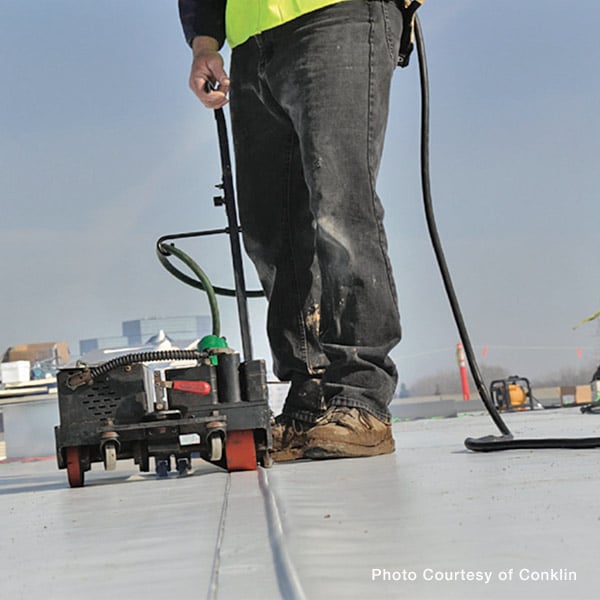
- Membrane patching: USD 350 to USD 1,000 for commercial flat roofs.
- Gutter system corrections: USD 150 to USD 500 per section.
These figures highlight why early budgeting is worthwhile. A single emergency callout can cost as much as an entire year of scheduled inspections and minor repairs, especially during peak spring demand. Planning ahead ensures you’re investing in maintenance that preserves the roof rather than reacting to problems that have already escalated.
Coating and restoration costs versus full replacement
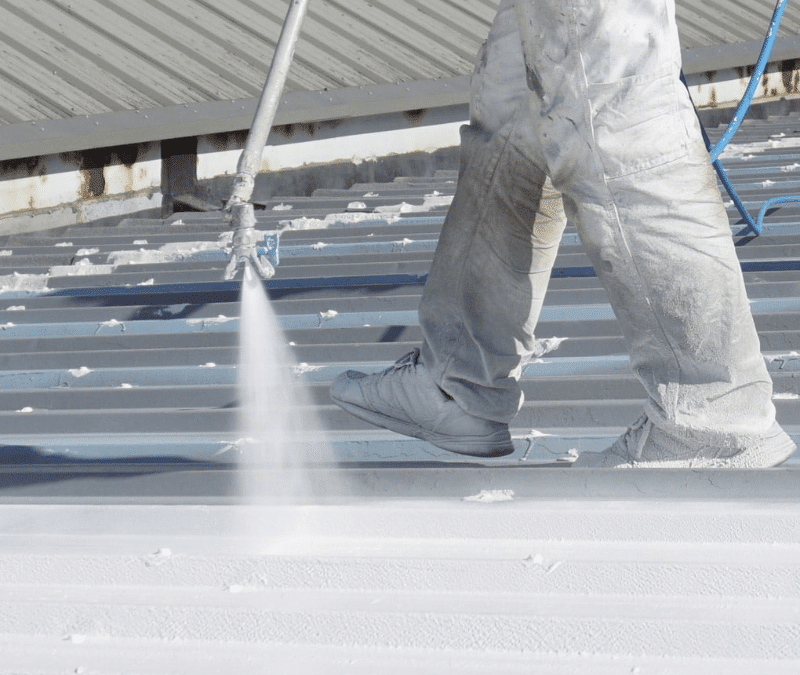
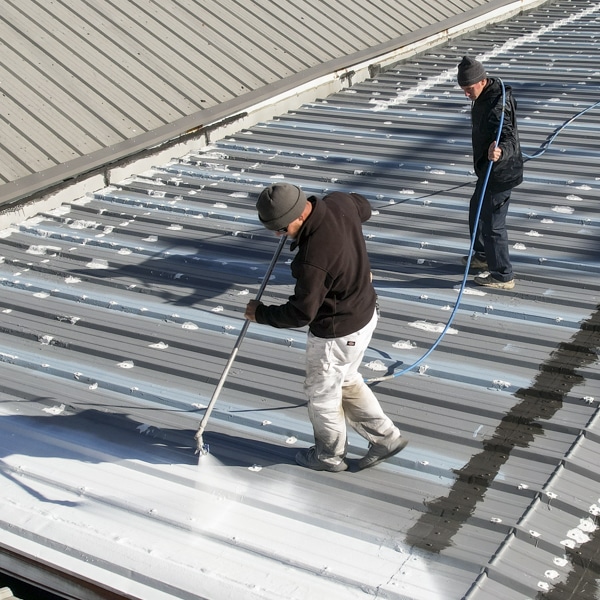
Many Pennsylvania roofs can be restored long before they need to be replaced — often they can be restored several times to drastically increase the life of the roof. This is often where owners save the most money, because coatings and restoration systems cost only a fraction of a full tear-off and add years of life to the existing structure. (In fact, the top coating we use comes with a 20-year warranty, so it really does grant a significant life extension.) Understanding the difference helps you plan a realistic budget for the coming year while minimzing your long-term costs.
Coating and restoration costs
For many flat, low-slope, or metal roofs, a high-quality coating system is the most cost-effective way to extend lifespan. In Pennsylvania, most owners can expect:
- Elastomeric roof coatings: typically USD 3 to USD 6 per square foot
- Fabric-reinforced systems: usually USD 5 to USD 9 per square foot, depending on roof condition
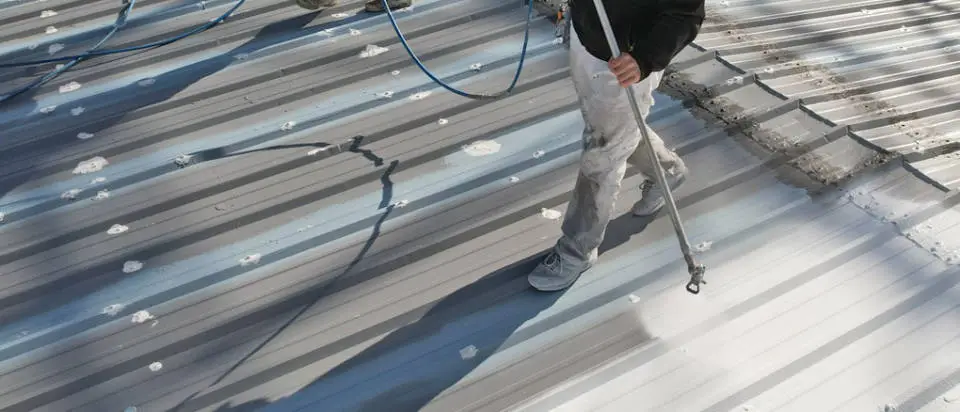
- Metal roof restorations: often USD 4 to USD 8 per square foot, based on fastener repairs, panel prep, and priming needs
- Conklin coating systems: commonly fall between USD 4 and USD 9 per square foot, depending on whether you’re using Benchmark, Rapid Roof, or an MR System
These systems seal small cracks, improve waterproofing, and create a protective layer that handles Pennsylvania’s mix of sun, rain, and freeze–thaw cycles. When applied at the right time, coatings can add 10 to 20 years of service life depending on the coating you choose.
Full roof replacement costs
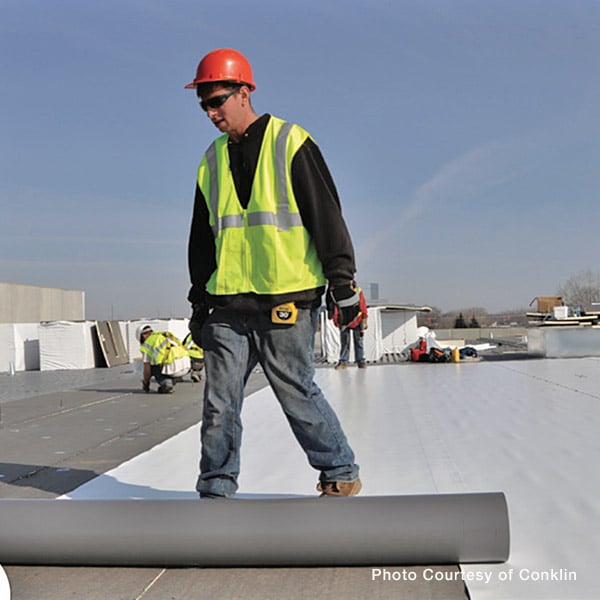
Replacement is significantly more expensive because it involves tear-off, disposal, new materials, and installation labour. Typical Pennsylvania ranges include:
- Shingle roofs: USD 7,000 to USD 18,000+
- Metal roofs: USD 12,000 to USD 40,000+
- Commercial flat roofs: USD 8 to USD 18 per square foot, often reaching six figures for large buildings
These costs rise sharply when moisture damage has spread into insulation or decking. This is why deferring maintenance often leads owners to replacement far earlier than necessary.
Why restoration is often the smarter investment
A well-timed coating can turn a roof with five years left into a roof with fifteen or twenty years left. That reduces capital spending, delays major expenses, and allows owners to protect the structure without disrupting operations. Restoration also avoids landfill waste, requires no tear-off, and can be completed quickly during Pennsylvania’s favourable weather months.
For most property owners, the question isn’t whether coating or replacement is better, but rather whether the roof is still suitable for restoration. Regular inspections make that decision clear and help you take advantage of coating options while they’re still viable.
How preventive maintenance reduces emergencies and unexpected expenses
Preventive maintenance is one of the simplest ways to protect your roofing system and avoid the kind of surprise expenses that strain a budget. Many of the major problems that lead to interior damage, mould, or partial roof failure begin as small issues that go unnoticed during winter. Freeze–thaw cycles exaggerate even the smallest gaps, and snow or ice melt can force moisture beneath membranes and flashings.
When you stay ahead of these issues through scheduled care, you avoid the higher costs that come with water damage, structural repairs, and emergency callouts. Preventive maintenance also keeps your roof in the right condition for coatings or restoration work, which is where many owners save the most money over the life of their roof.
Another key advantage is warranty protection. Most roofing and coating systems require consistent upkeep to remain eligible for coverage. By investing in annual inspections and timely repairs, you protect both the roof and the warranty that supports it.
A strong preventive maintenance plan also improves long-term roof performance. Regular cleaning, sealing, tightening of fasteners, and checking for early wear all contribute to a longer-lasting system. These simple steps give you far more control over your roofing costs and help you avoid the kind of issues that can force a premature replacement.
How to build a realistic roof maintenance budget for the coming year
A practical roof budget should give you enough flexibility to handle routine care while preparing for larger maintenance needs as your roof ages. The goal isn’t to predict every detail but to set aside the right amount based on your roof type, condition, and the work that is likely to be required over the next twelve months.
A good starting point is an annual inspection. This gives you an accurate picture of your roof’s condition and helps you understand what repairs or coating updates may be needed. Once you know the current state of the roof, you can build a budget that aligns with the roof’s age, material, and long-term maintenance cycle.
Most property owners should plan for routine maintenance, small repairs, and potential coating work. Older roofs or those exposed to more severe weather may require a larger allowance, particularly if they are approaching the point where restoration becomes the most cost-effective option. If your roof is in good condition, your budget may simply need to cover inspections and minor care. If it is ageing or showing signs of wear, it’s wise to include an allowance for coating or reinforcement so you can extend its lifespan well before replacement becomes necessary.
Commercial property owners may also want to factor in capital planning. Since large repairs and coatings are best scheduled during warmer months, setting your budget early ensures you can secure a preferred time slot and access the most cost-effective solution. Residential owners benefit in the same way, especially when winter weather has exposed hidden leaks or flashing issues that need attention before the next freeze–thaw cycle.
A clear budget helps you make confident decisions, reduces financial surprises, and makes long-term roof care far more manageable. By planning now, you give yourself the best chance to protect the building, extend the roof’s life, and avoid unnecessary spending throughout the year.
Planning now sets you up for a stronger, longer-lasting roof
Budgeting for roof care before the busy season is one of the most effective ways to protect your property and reduce long-term costs. When you understand the current prices for inspections, maintenance, and restoration, it becomes much easier to make confident decisions and stay ahead of issues that could shorten your roof’s lifespan.
Whether your building is residential or commercial, taking a proactive approach gives you more control, fewer surprises, and a roof that performs better through Pennsylvania’s demanding seasons. Early planning also ensures you can schedule inspections or coating work at the ideal time, rather than scrambling for emergency repairs when spring demand spikes.
If you’d like tailored guidance based on your roof’s current condition, our team at Lester’s Carpentry is here to help. Scheduling an early-season inspection is the simplest way to understand what your roof needs and how to set an accurate budget for the year ahead — one that’s specific to your exact situation and roof.