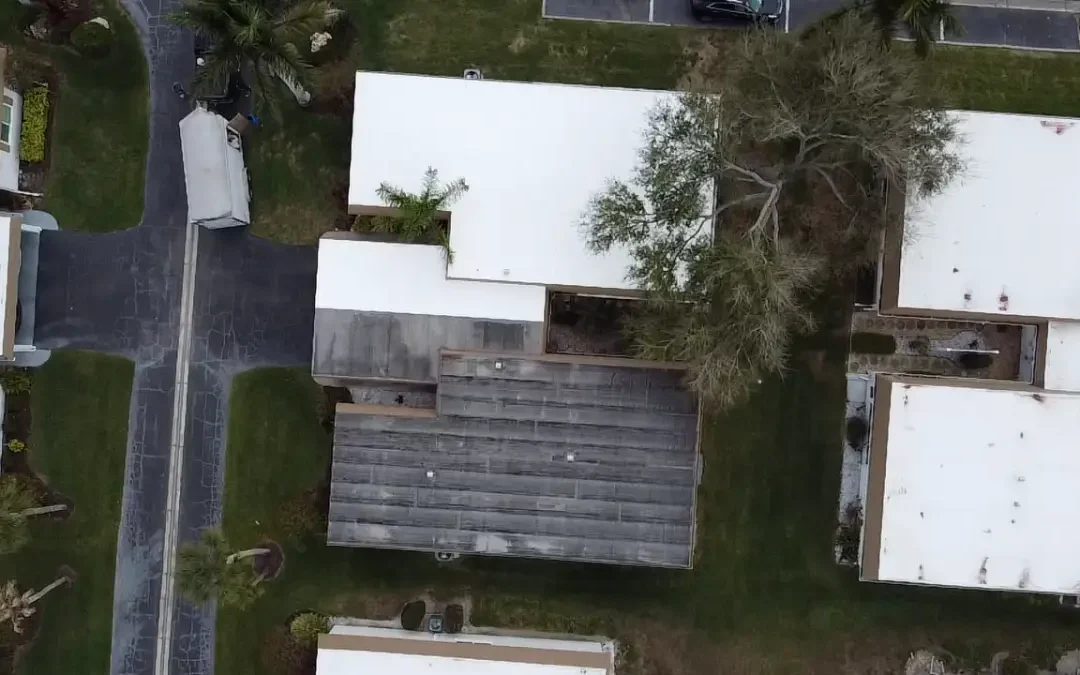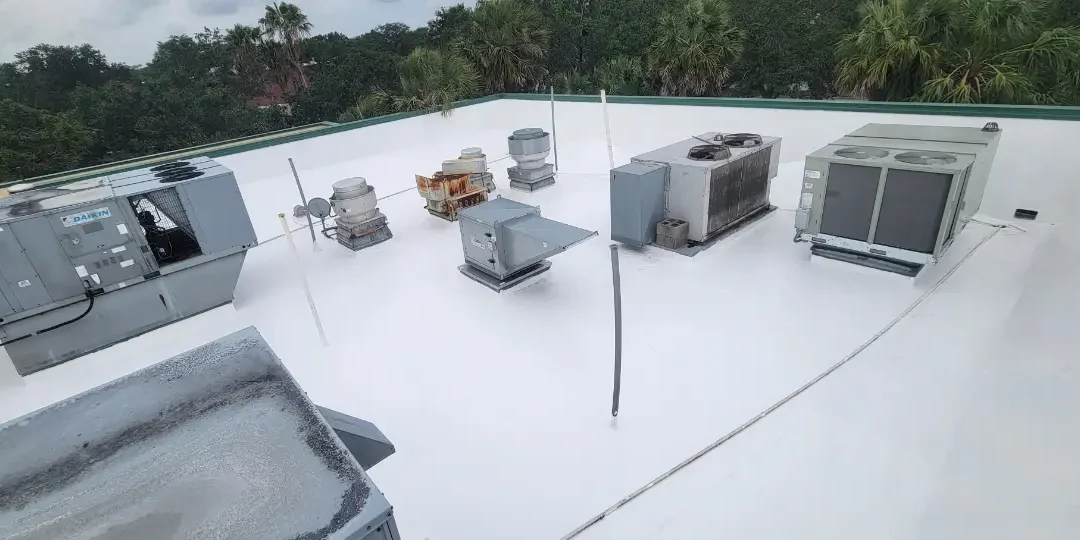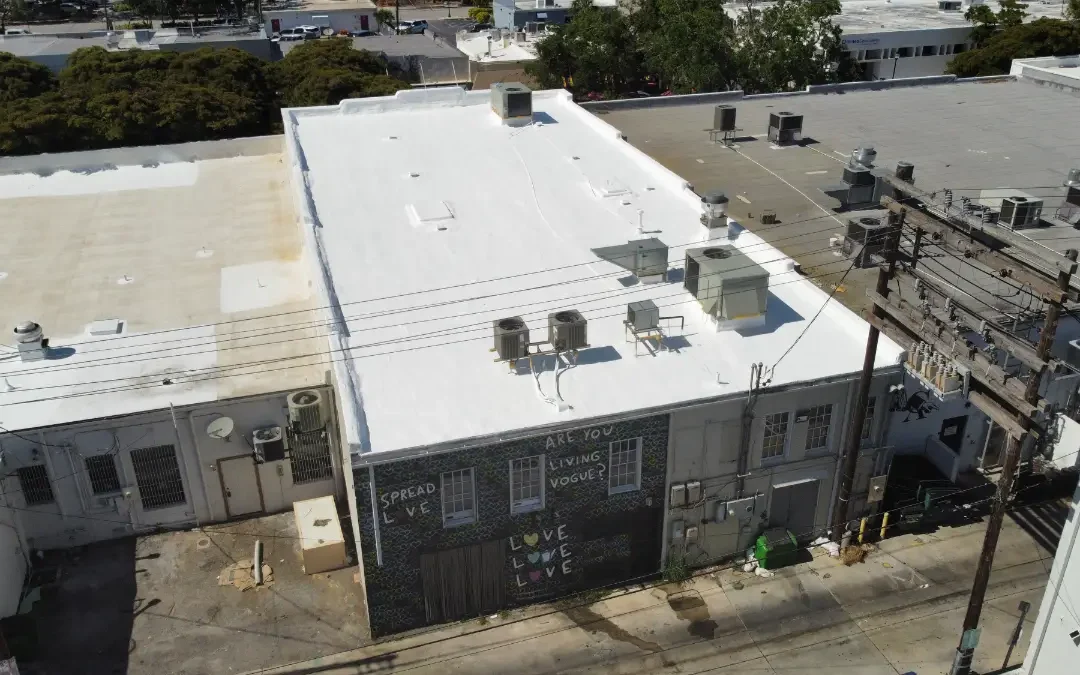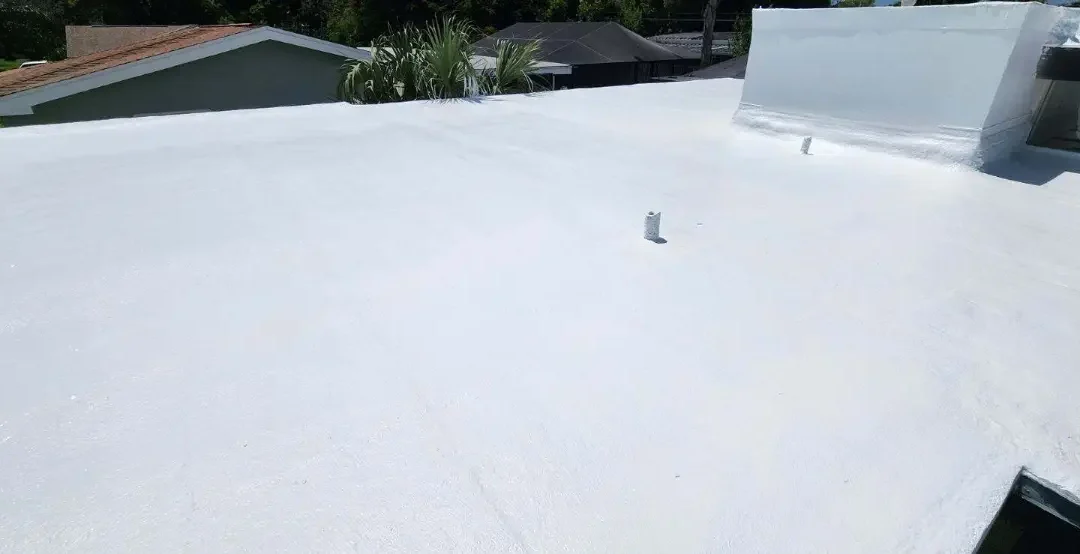
Many Pennsylvania buildings lose thousands each year to heat loss in winter and heat gain in summer. The right roofing system can change that equation. Energy-efficient options, like reflective roof coatings and insulation, reduce temperature swings, stabilise indoor comfort, and ease the strain on HVAC systems.
When energy-efficient roofing is used in Pennsylvania, it also does more than improve comfort and reduce heating and cooling costs. It can more than pay for itself in a wide variety of ways.
Why energy-efficient roofing matters in Pennsylvania
Pennsylvania’s climate puts significant stress on roofs throughout the year. Winter brings long cold spells and freeze–thaw cycles that force roofing materials to expand and contract repeatedly. Summer then shifts the pressure, hitting roof surfaces with intense sunlight, humidity, and rapid temperature changes. These patterns make it harder for homes and commercial buildings to maintain consistent indoor temperatures, which increases heating and cooling costs.
Traditional roofing materials absorb heat in summer and often lack the insulation needed to limit heat loss in winter. That means HVAC systems work harder than they should, driving up energy bills and shortening equipment lifespan. This is especially noticeable on large commercial buildings with broad, low-slope roofs or older residential properties with ageing shingles.
Energy-efficient roofing upgrades help solve these issues by improving the roof’s reflectivity, insulation, and overall thermal performance. When less heat enters or escapes through the roof, indoor temperatures stabilise more easily. This reduces energy waste, lowers peak HVAC demand, and creates a more comfortable environment for occupants year-round.
Energy-efficient roofing also supports better environmental outcomes, which is becoming increasingly important for many Pennsylvania property owners. When a roof reflects more sunlight and reduces heat absorption, buildings consume less electricity for cooling in summer and require less fuel for heating in winter. Lower energy demand doesn’t just mean lower costs. It also means fewer greenhouse gas emissions, especially in regions that rely on fossil fuels for power generation. Even small reductions in heating and cooling loads add up over the lifespan of a roof, making these upgrades a practical way to shrink a building’s carbon footprint.
Improved roofing performance also translates to longer roof lifespan. Excess heat, repeated freeze–thaw cycles, and ongoing UV exposure are among the primary causes of premature roofing deterioration. When a roofing system reflects heat or incorporates insulation that limits thermal movement, it stays structurally stable for far longer. This reduces cracking, warping, rust on metal panels, and wear on membrane seams.
A longer-lasting roof doesn’t just prevent leaks and structural issues. It lowers the total cost of ownership by reducing the number of repairs, maintenance cycles, and replacements the building will require over its lifetime. Many energy-efficient roofing systems, including reflective coatings and insulated assemblies, delay full replacement by a decade or more. When you combine energy savings with extended service life, these upgrades often generate a return that significantly outweighs the initial investment.
How cool roof coatings reduce energy waste
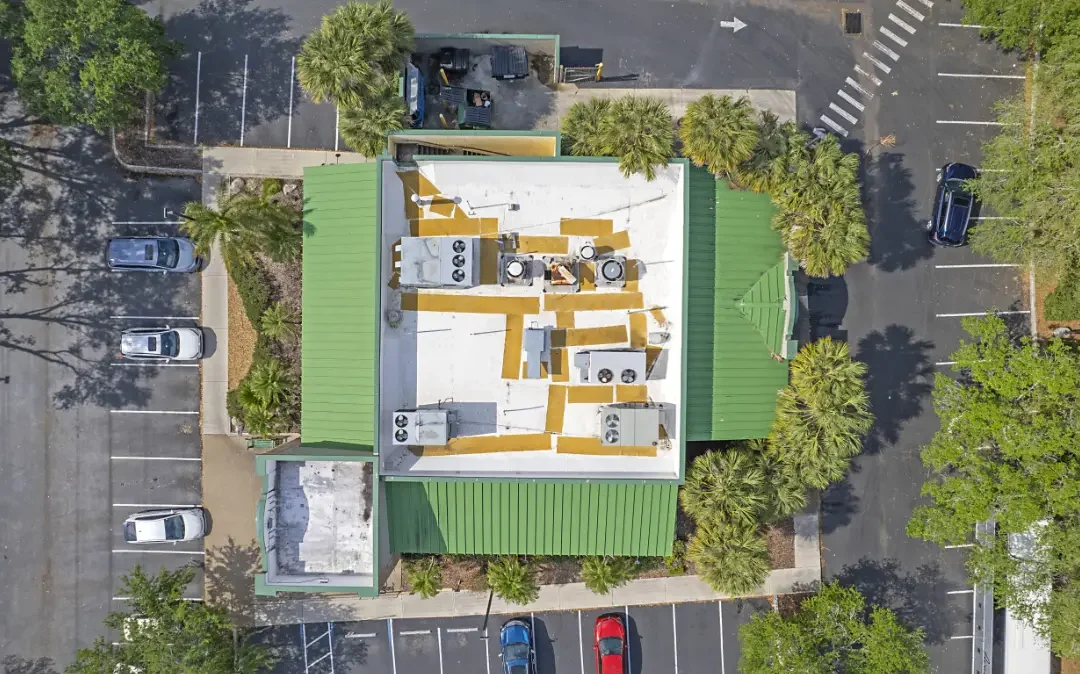
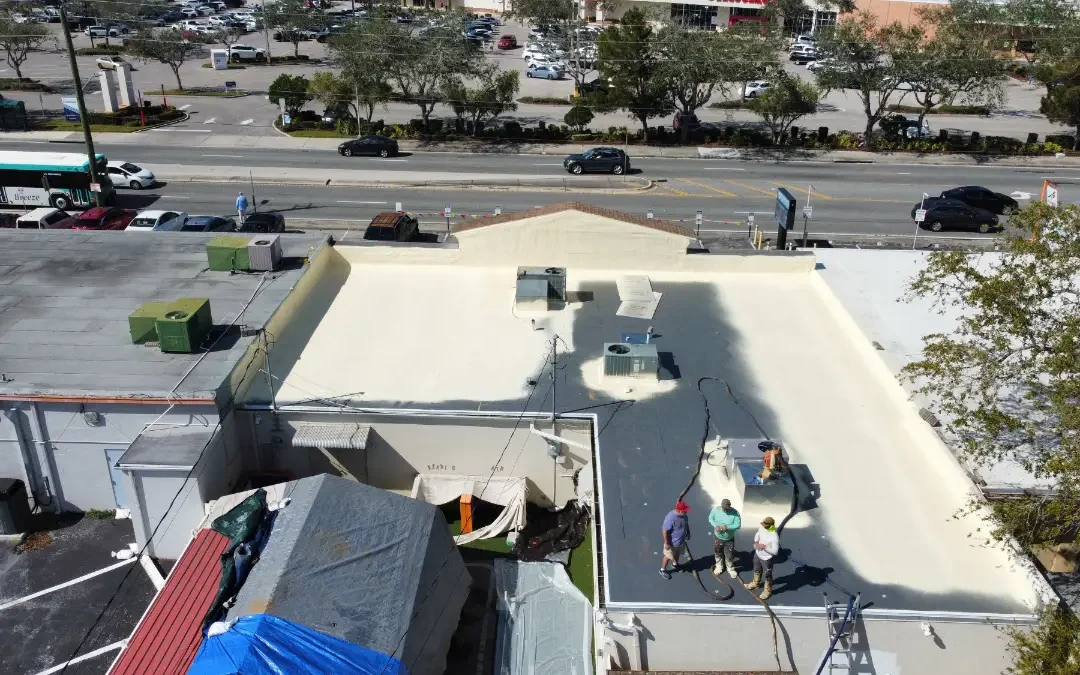
Reflective roof coatings, often called ‘cool roof coatings’, are one of the most effective ways to reduce energy waste in both homes and commercial buildings. These coatings create a seamless, protective layer that reflects a large portion of the sun’s heat instead of absorbing it. This simple change dramatically lowers the temperature of the roof surface, especially during Pennsylvania’s hot and humid summers.
To understand why these systems work so well, it helps to break down what they are and how they function. Here at Lester’s Carpentry we primarily use elastomeric coatings from Conklin, a proven manufacturer known for energy-efficient roofing products. An elastomeric coating is a flexible, rubber-like material that stretches and moves with the roof instead of cracking under stress. This flexibility is essential in Pennsylvania, where roofs endure large temperature swings throughout the year.
Here’s what makes these coatings such a powerful energy-saving tool:
- High solar reflectance — This refers to a coating’s ability to reflect sunlight away from the building. Conklin’s white coatings can reflect 80 percent or more of incoming solar energy, which significantly reduces heat absorption. When the roof stays cooler, the building below stays cooler too.
- Strong infrared emissivity — Infrared emissivity is a material’s ability to release absorbed heat rather than store it. High-emissivity coatings cool down quickly after exposure to sunlight. This prevents the roof from radiating heat into the building long after the sun sets.
- Seamless waterproofing — Because these coatings are applied as a liquid, they dry into a single, continuous membrane with no seams or joints. This helps prevent leaks, stops moisture intrusion, and reduces maintenance costs. While the reduction in maintenance costs is important, the reason waterproofing reduces energy wastage is because it prevents the need for extra ventilation and/or heat to get rid of excess moisture inside the building.
- Protection for ageing roofs — Many flat and metal roofs in Pennsylvania are structurally sound but are beginning to show signs of ageing, such as minor cracks, worn seams, or fading protective layers. A reflective coating restores these surfaces, reinforces weak points, and prevents further deterioration. This process seals small openings where unwanted hot or cold air can enter the building. When these gaps are left unaddressed, they create drafts and allow conditioned air to escape, which forces HVAC systems to work much harder. By stopping air leakage and reducing thermal transfer through the roof, coating systems help maintain stable indoor temperatures and prevent unnecessary energy use.
One of the major benefits of reflective coatings is how quickly they improve a building’s thermal performance. Once applied, the coating can lower roof surface temperatures by 30 degrees or more on a hot day. This directly reduces the amount of heat entering the building, which means HVAC systems don’t have to work as hard to maintain comfortable indoor temperatures.
Lester’s Carpentry works with a range of Conklin systems, including Benchmark, Rapid Roof, and fabric-reinforced options. Each system offers strong reflectivity and durability, but they differ in thickness, reinforcement, and suitability for specific roof types. Our team assesses the existing roof, insulation levels, and building usage to recommend the coating that delivers the best long-term performance and energy savings.
Reflective coatings also offer a compelling alternative to full roof replacement. When the existing roof is still structurally sound, a coating system can extend its lifespan by 10-20 years or more while dramatically improving energy efficiency. This combination of cost-saving and performance is a major reason why so many Pennsylvania building owners choose coatings as their first step toward an energy-efficient upgrade.
How insulation improves energy performance
Insulation is another essential part of an energy-efficient roofing system. While reflective coatings focus on reducing heat entering the building from above, insulation works to slow down the transfer of heat in both directions. This means it keeps warm air inside during winter and blocks outdoor heat during summer.
Many Pennsylvania buildings, especially older homes and commercial structures, were built with minimal insulation or are feeling the effects of ageing insulation. As insulation compresses or degrades over time, it loses its ability to resist heat flow. This creates higher heating bills in winter, higher cooling bills in summer, and more strain on HVAC equipment.
To understand why insulation matters so much, it helps to know how it works:
- R-value — This is the rating used to measure how well insulation resists heat transfer. The higher the R-value, the better a material is at slowing heat movement. Pennsylvania’s climate requires higher R-values than warmer states because the temperature difference between indoors and outdoors is more extreme in winter.
- Thermal bridging — Thermal bridging occurs when heat travels through gaps or structural elements, such as metal roof panels or wood framing, bypassing the insulation layer. Proper insulation installation reduces these pathways so that buildings lose less energy through the roof.
- Continuous insulation — Some roofing systems allow for insulation to be installed as a continuous layer with no gaps. This approach is especially effective on commercial buildings because it eliminates cold spots and helps maintain even temperatures across the entire roof area.
When we evaluate a roof for energy upgrades, insulation levels are a core part of the assessment. Even the most reflective coating performs better when combined with adequate insulation beneath the roof surface. In many cases, improving insulation results in:
- Lower heating costs during Pennsylvania’s long winters
- Reduced air leakage through the roof assembly
- More stable indoor temperatures throughout the year
- Longer lifespan for HVAC systems, since they no longer need to compensate for constant heat loss
Insulation also plays a key role in roof longevity. By reducing extreme temperature swings within the roof structure, it helps limit the expansion and contraction that often leads to cracks, seam failures, and premature ageing. This means a better-insulated roof typically lasts longer and requires fewer repairs over its lifetime.
When insulation is combined with a reflective coating, property owners often see a compounded effect: the roof stays cooler, heat loss slows dramatically, and overall energy consumption drops. This makes the pairing a popular choice for both residential and commercial buildings across Pennsylvania.
Metal roofing systems and long-term energy performance
Metal roofing is one of the most reliable and energy-efficient roofing options available in Pennsylvania. Its natural reflectivity, durability, and long service life make it an excellent choice for both residential and commercial properties. Unlike traditional shingles that absorb heat and suffer from repeated weather-related wear, metal roofing maintains its performance over decades with minimal decline.
Metal roofs are energy efficient for several reasons. First, the surface naturally reflects more sunlight than a more matte surface and if it’s a lighter colour, it will also naturally reflect more sunlight than darker roofing materials, reducing the amount of heat entering the building during summer. Second, metal roofing responds well to insulation upgrades. When insulation is added directly beneath the panels or within the roof assembly, it slows heat transfer in both directions. This creates a more stable indoor environment, which is especially valuable during Pennsylvania’s long winters and muggy summers.
Here are some of the core features that make metal roofing such a strong performer:
- High reflectivity and emissivity — Even uncoated metal roofing can reflect a significant portion of the sun’s energy. When paired with a reflective finish or coating, the roof surface stays much cooler, lowering the building’s overall energy demand. Metal also cools down quickly once the sun sets, which prevents the roof from radiating heat into the building.
- Exceptional durability — Metal roofing is designed to withstand hail, wind, heavy snow, and rapid temperature swings. This is particularly important in Pennsylvania, where freeze–thaw cycles can cause other roofing materials to crack or delaminate. A properly installed metal roof can last 40 to 60 years or more, making it one of the longest-lasting roofing materials on the market.
- Reduced thermal movement with proper installation — All materials expand and contract as temperatures change, but metal responds especially well when correctly installed with fasteners, expansion allowances, and insulation that minimise movement. This reduces noise, stress on fasteners, and wear on panels over time.
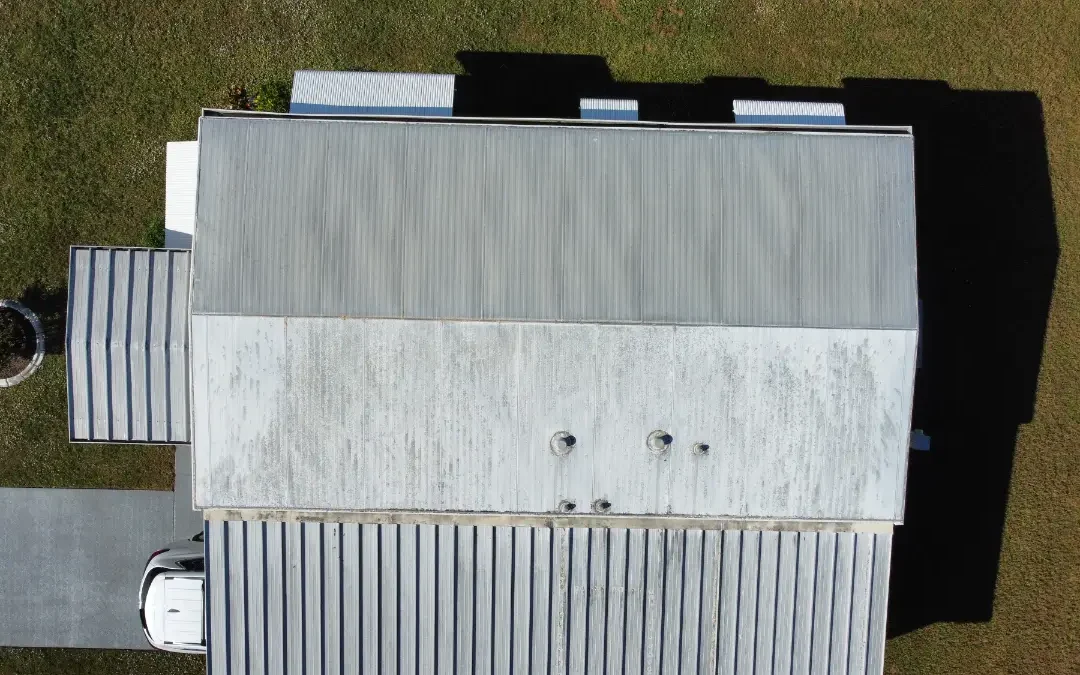
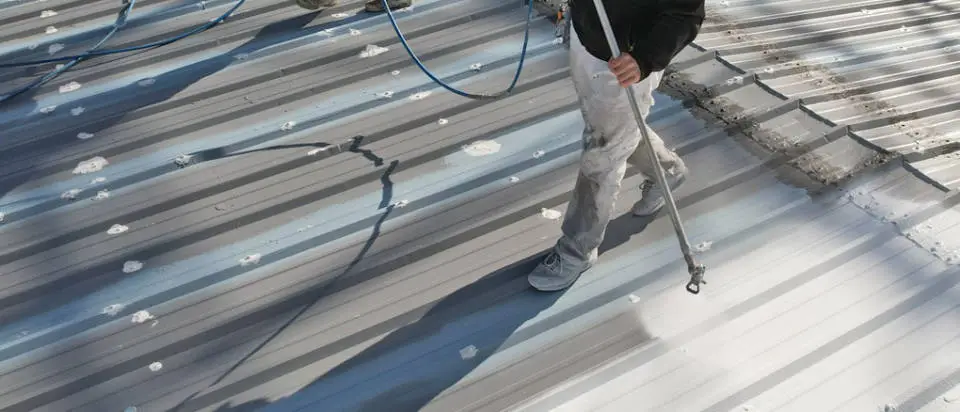
- Compatibility with energy-saving coatings — Older metal roofs can be restored instead of replaced. We often use the Conklin MR System, which is designed specifically for metal roof restoration. This system seals seams, stops leaks, and adds a highly reflective surface that boosts energy performance. Restoring a roof instead of replacing it reduces material waste and extends the roof’s lifespan by 10-20 years or more depending on the exact coating chosen.
Metal roofing also offers excellent insulation opportunities. When paired with high-quality roof insulation, it helps keep indoor spaces warmer in winter and cooler in summer. This reduces heating and cooling costs while creating a more comfortable environment for occupants throughout the year.
Many Pennsylvania property owners choose metal roofing not only for its energy-saving benefits but also for its long-term cost-efficiency. The extended lifespan, low maintenance requirements, and ability to be restored with coating systems mean a metal roof can cost significantly less over time than repeated shingle replacements. When energy savings are factored in, the return on investment becomes even more compelling. Having said that, if you already have a roof made from a different material, you can still improve its thermal performance with insulation and a reflective cool roof coating.
Lester’s Carpentry has extensive experience installing and restoring metal roofing systems across Pennsylvania. Our team understands the unique structural needs of commercial buildings, agricultural facilities, and residential homes, and we tailor each installation to the property’s insulation levels, roof pitch, and environmental exposure. This ensures long-term durability and reliable, energy-efficient performance.
Conklin roof systems and lifespan benefits
Conklin roofing systems are at the core of many energy-efficient projects completed by Lester’s Carpentry. These systems are known for their durability, reflectivity, and long-term performance, making them an excellent choice for both residential and commercial properties in Pennsylvania. Each product line is designed to address specific roofing needs, from restoring ageing metal roofs to reinforcing flat and low-slope structures.
What sets Conklin apart is the combination of high-quality materials and proven installation methods. Their systems don’t simply coat a roof; they enhance the roof’s structure, improve energy performance, and extend service life. For buildings facing the challenges of Pennsylvania’s climate, this combination of protection and efficiency delivers exceptional long-term value.
Here’s a closer look at the key systems we use and why they perform so well:
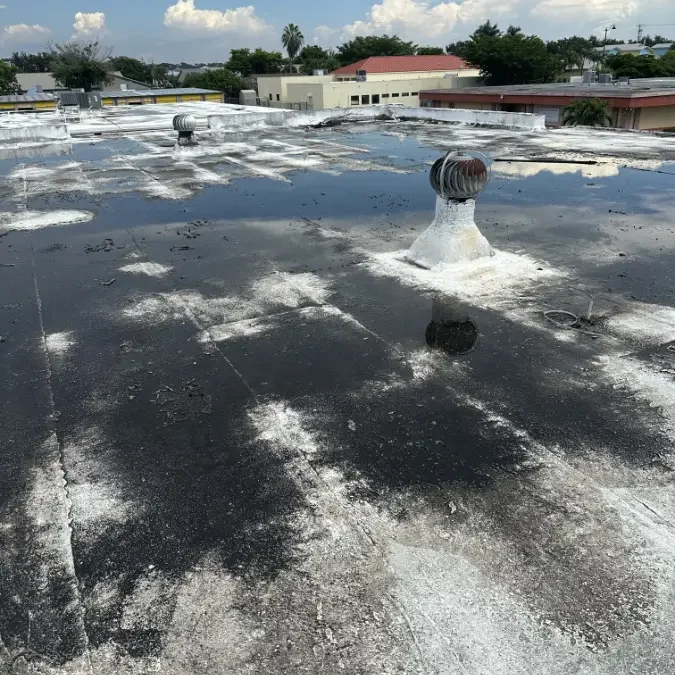
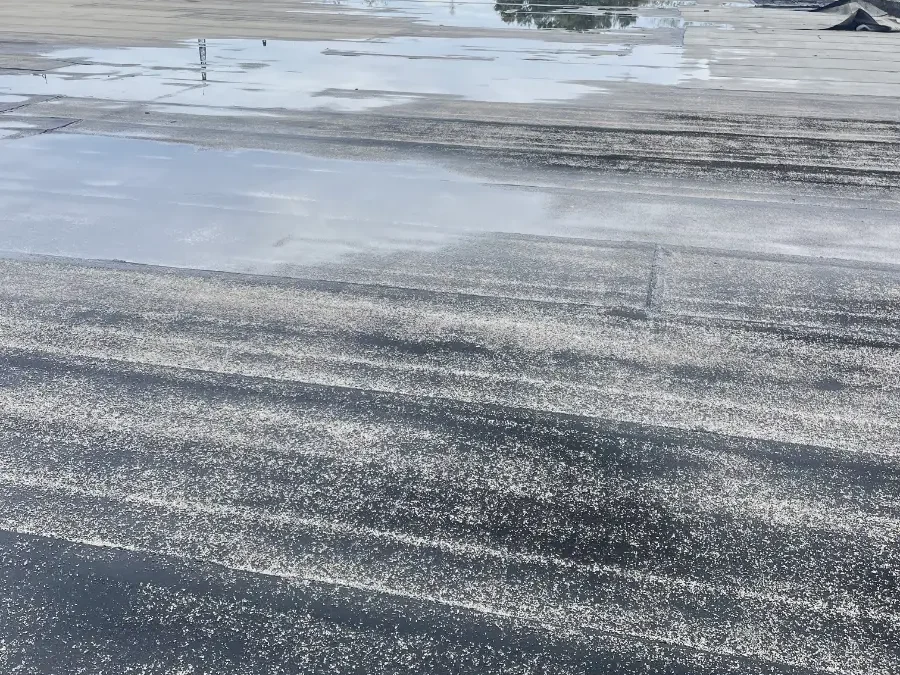
- Conklin Benchmark — Benchmark is an elastomeric acrylic coating known for its strong reflectivity and ability to handle severe weather. It creates a durable, seamless membrane that reflects heat, seals minor cracks, and resists UV damage. Benchmark is especially effective on older flat roofs, where thermal movement and weathering have weakened the original surface. Its long-term flexibility helps prevent cracking and reduces stress on the roof.
- Conklin Rapid Roof — Rapid Roof is another high-performance acrylic coating with excellent reflectivity and fast curing times. It provides strong protection against UV exposure, hail, and ponding water. Because it dries quickly, it’s ideal for Pennsylvania’s shorter summer construction window, allowing property owners to schedule projects with minimal weather disruption.
- Conklin MR System — The MR System is designed specifically for restoring metal roofs. It seals fasteners, reinforces seams, and adds a reflective topcoat that improves energy performance. This system brings older metal roofs back to life by stopping leaks, reducing rust development, and limiting thermal expansion and contraction. Instead of investing in a full replacement, property owners can extend a metal roof’s lifespan by 10-20 years or more while cutting energy costs.
One of the biggest advantages of Conklin systems is their impact on roof longevity. Pennsylvania’s climate exposes roofs to constant temperature changes, UV rays, snow loads, and humidity. These conditions accelerate roof ageing on unprotected surfaces. Conklin coatings reduce these stresses by keeping the roof cooler, blocking UV degradation, and protecting vulnerable areas that typically fail first, such as seams or fastener points.
Conklin systems also come with impressive warranty options, typically ranging from 10 to 20 years depending on the coating type and application thickness. These warranties are backed by decades of proven performance data, giving property owners confidence that their investment will stand up to real-world conditions.
For our team, Conklin systems are more than a surface treatment. They are a practical, cost-effective way to restore existing roofs while delivering measurable improvements in energy efficiency and durability. Whether the goal is lowering operating costs, delaying a major replacement, or improving year-round comfort, these systems offer a reliable and long-lasting solution.
Real-world savings: HVAC load reduction and operational efficiency
One of the most meaningful benefits of energy-efficient roofing is the impact it has on heating and cooling costs. When a roof reflects heat in summer or retains warmth more effectively in winter, the building’s HVAC system no longer needs to run as frequently or as intensely to maintain comfortable indoor temperatures. This reduction in demand often translates into immediate and long-term savings for both residential and commercial property owners.
To understand why the savings can be so substantial, it helps to consider how buildings typically lose energy. Roofs absorb large amounts of heat during the warmer months, especially if they are dark or unprotected. In winter, heat tends to escape through poorly insulated or ageing roof systems. Both situations force HVAC equipment to compensate, which increases energy bills and shortens the lifespan of heating and cooling units.
Energy-efficient roofing systems address these issues at the source. By creating a more stable thermal environment inside the building, they reduce the “load” on HVAC equipment. Load refers to the amount of work a heating or cooling unit has to do to achieve the desired indoor temperature. When that load decreases, the equipment operates more efficiently and lasts longer.
Here’s how Lester’s Carpentry sees these benefits play out across Pennsylvania properties:
- Lower energy bills throughout the year — Reflective coatings and well-insulated metal roofing reduce the amount of heat entering or escaping through the roof. As a result, buildings maintain comfortable temperatures with far less mechanical heating or cooling. Many property owners notice a drop in their utility bills within the first season after installation. Research shows that in a temperate climate, like that experienced by much of Pennsylvania, a cool roof can deliver energy savings of between 22-54%. To put those percentages into perspective, if electricity costs around 15 cents per kilowatt-hour, an average home using 10,000 kWh of heating and cooling energy per year could save roughly $330-$810 annually. A typical commercial property, which may use 50,000 kWh or more for climate control, could save around $1650-$4050 or more each year under the same conditions.
- Reduced wear and tear on HVAC systems — When HVAC units run constantly, they experience faster mechanical wear. Energy-efficient roofing eases this burden by stabilising indoor temperatures naturally. This often leads to fewer breakdowns, longer equipment lifespan, and lower maintenance costs.
- Improved comfort for occupants — Temperature fluctuations are common in buildings with ageing roofs, particularly on the upper floors. Energy-efficient roofing reduces these swings, creating more consistent and comfortable indoor conditions for both residents and employees.
- Better performance on large commercial buildings — Commercial properties with broad, low-slope roofs tend to absorb significant heat during summer. This effect can drive up cooling costs dramatically. Reflective coatings lower roof temperatures, reduce thermal stress on the structure, and make interior spaces easier to cool.
- Stronger performance in older buildings — Many Pennsylvania buildings were constructed before modern energy standards were introduced. Upgrading the roof gives these properties a cost-effective way to improve efficiency without undertaking major interior renovations.
The operational advantages extend beyond energy savings. When buildings experience less thermal stress, everything from insulation to structural supports remains in better condition for longer. Cool roof coatings also minimise the impact of UV rays, moisture, and freeze–thaw cycles, all of which can cause materials to degrade faster. This creates a more stable, durable building envelope that requires fewer emergency repairs and less ongoing maintenance.
For property owners looking to reduce operating expenses, extend the life of their HVAC equipment, or simply create a more comfortable environment, energy-efficient roofing offers a surprisingly high return on investment. We’ve seen these improvements across countless projects, and the savings often continue to grow year after year.
A smarter way to reduce energy costs and protect your roof
Energy-efficient roofing is one of the most effective ways to reduce heating and cooling costs in Pennsylvania’s demanding climate. Whether through reflective roof coatings, improved insulation, or the long-term performance of a restored metal roofing system, these upgrades help stabilise indoor temperatures, ease the strain on HVAC equipment, and extend the life of the roof itself. Here at Lester’s Carpentry we use proven Conklin roof systems to deliver these benefits for both homes and commercial properties, ensuring each project provides measurable savings and long-term value.
Pennsylvania buildings face temperature swings, freeze–thaw cycles, and intense summer heat, so investing in solutions that improve energy performance makes a meaningful difference. Reflective coatings and metal roof restoration not only reduce energy waste but also protect the roof structure from UV exposure, moisture, and thermal stress. Over time, this combination of lower energy use and increased durability results in a much lower total cost of ownership.
If you’re looking for a practical way to lower your building’s operating costs and improve comfort year-round, an energy-efficient roofing upgrade is a strong place to start. Lester’s Carpentry can assess your current roof, insulation levels, and energy performance to recommend the most effective approach for your property.
To learn how much you could save with a cooler, more efficient roof, contact Lester’s Carpentry today to schedule an energy-efficiency inspection.