Roof issues rarely remain contained. What starts as a small seam issue, a minor leak, or early coating failure can turn into a much larger expense once moisture, weather, and daily building movement get involved. Add into the mix the sheer size of many commercial roofs, and you have the potential for some very large and expensive roof problems.
That’s why the cost of delaying commercial roof repairs is usually bigger than building owners expect. The obvious repair bill is only part of the equation. Waiting can also mean interior damage, more limited repair options, greater disruption to operations, and a higher chance that a manageable issue turns into an urgent one.
If you own or manage a commercial building in Pennsylvania, the smartest time to act is usually before the damage becomes visible to everyone else.
Why delayed repairs become expensive
Most commercial roof failures don’t begin as catastrophic events. They begin with smaller problems that are left in place for too long.
A roof’s job is to protect the building from exterior moisture. The National Roofing Contractors Association notes that when moisture gets into the roof system or building interior, it can damage ceilings, walls, and furnishings while also reducing the efficiency of thermal insulation.
That means the real cost of delay can include much more than surface-level repair work. It can affect:
- Insulation performance
- Interior finishes
- Stored inventory or equipment
- Comfort inside the building
- Scheduling and business operations
In other words, the longer a problem sits, the more parts of the building it can touch.
When building owners deal with issues early, they usually have more flexibility. They can compare repair options, plan timing around operations, and avoid being pushed into an emergency commercial roof repair decision.
Common commercial roofing problems that get worse over time
Many commercial roofing problems are easy to downplay at first, especially if the building is still functioning and the leak seems minor. But small warning signs are often exactly what should trigger action.
Common early signs of commercial roof damage include:
- Water staining on ceilings or walls
- Rusting metal roof sections
- Open seams or failing flashing
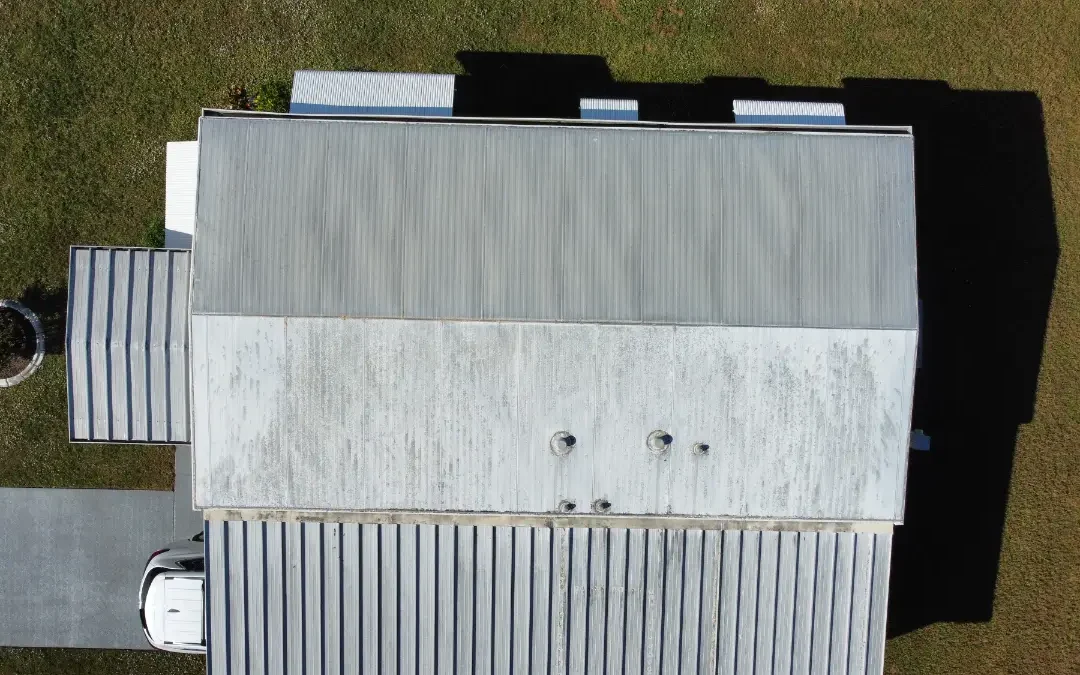
- Coating wear
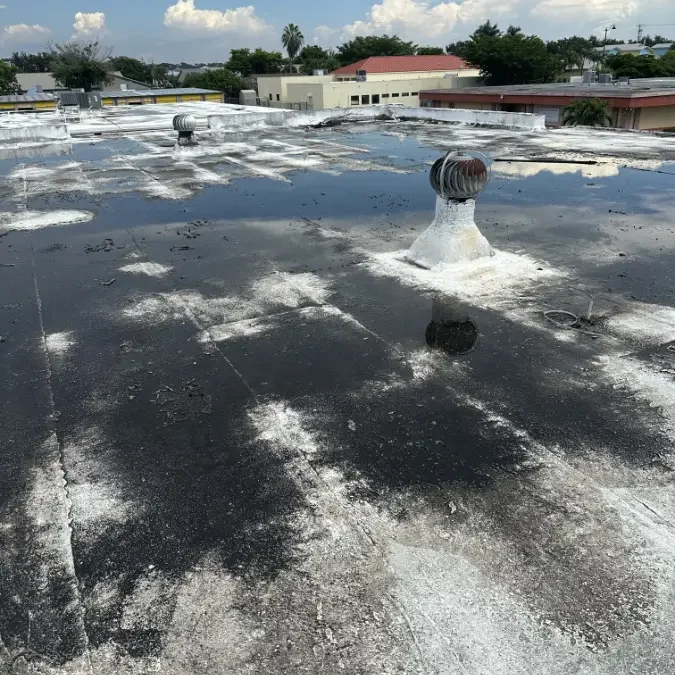
- Ponding water
- Visible punctures or surface deterioration
- Repeated small leaks after storms
Storm-related roof damage can be especially deceptive. A building may look mostly fine from the ground while the roof surface, seams, or penetrations have already been compromised. Once that happens, every additional weather event increases the chance of deeper commercial roof damage.
For property owners trying to protect long-term value, the better move is to treat these signs as inspection signals, not as problems to revisit later. A timely commercial roof inspection can clarify whether you’re looking at a targeted repair, broader maintenance issue, or a roof system that needs restoration planning.
How water intrusion drives bigger repair bills
Water intrusion is where delayed roof problems become much more expensive.
According to the National Roofing Contractors Association, moisture entering the roof system can reduce insulation efficiency and contribute to needless heat energy loss. The EPA also notes that controlling moisture entry is essential to protecting building materials and indoor conditions, especially from mold.
Once moisture moves past the roof surface, you may be dealing with more than one problem at once. Now the issue may involve insulation, interior finishes, air quality concerns, hidden damp areas, and a larger repair scope than the original defect would have required.
This is one reason commercial roof leak damage becomes so costly. The leak itself is only the entry point. The real expense comes from everything the water reaches after that.
The role of commercial roofing maintenance and inspections
Commercial roofing maintenance is one of the simplest ways to reduce avoidable repair costs.
Inspections help catch developing problems while the repair scope is still manageable. They also give owners better information about timing, budgeting, and whether a roof is a candidate for repair, coating, restoration, or replacement.
A maintenance-minded approach is almost always better than a reactive one because it gives you control. Instead of waiting for a leak to interrupt operations, you can identify wear patterns, address weak points, and keep the roofing system in service longer.
For many commercial buildings, planned maintenance also supports better decision-making around specialized systems. Depending on the roof type and condition, solutions like general commercial roof repairs or a system-specific option such as TPO roof coating may help extend usable life without forcing an immediate tear-off.
Why emergency commercial roof repair costs more
Emergency commercial roof repair is sometimes unavoidable. Storm damage happens, leaks appear at the wrong time, and some failures don’t give much warning.
But when a repair becomes an emergency, costs often rise because your options shrink.
You may be forced to act during poor weather, around tenant or business disruptions, or after interior damage has already occurred. You may also need temporary stabilization first, followed by more permanent repair work later.
That doesn’t mean emergency work is the wrong choice when the building needs it. It means it’s usually the most expensive point in the decision cycle to discover that a problem has been growing for months.
That’s why the more affordable path is often to use regular inspections and commercial roof repairs to deal with issues before urgency takes over.
When restoration may make more sense than replacement
Not every damaged commercial roof needs a full replacement.
In many cases, the more important question is whether the roof has been evaluated early enough to preserve other options. If the substrate is still sound and the damage is being addressed before widespread failure, restoration may offer a practical path forward.
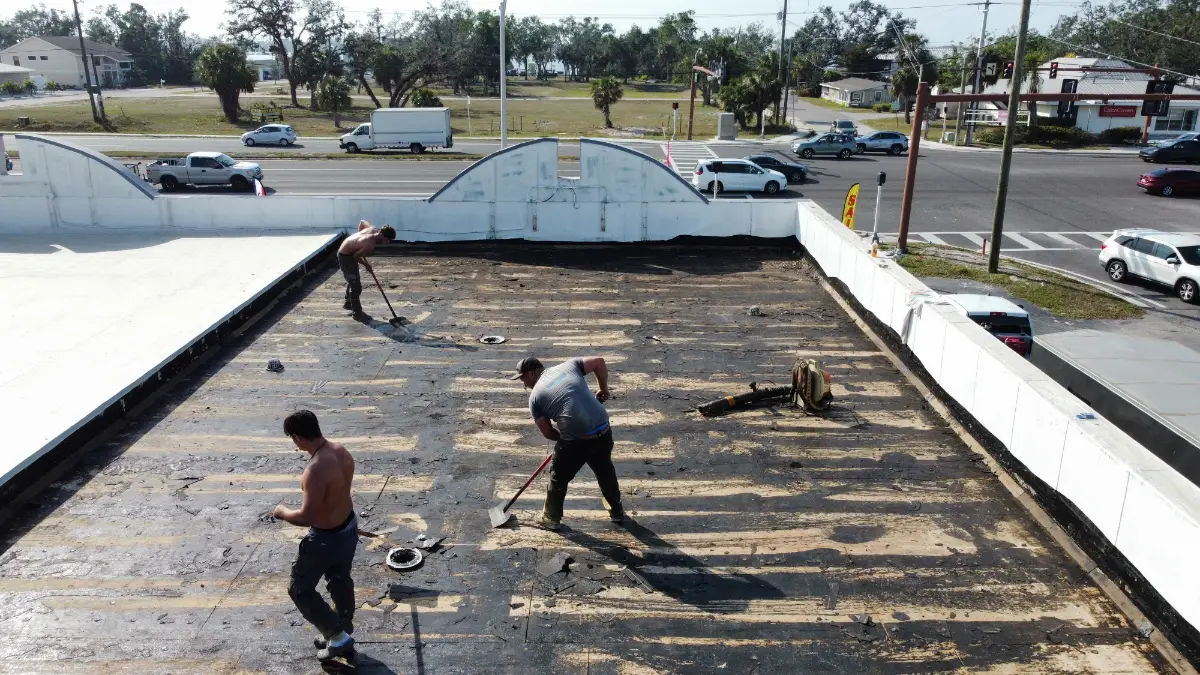
Lester’s Carpentry provides commercial roof restoration and repair solutions for a range of commercial roof types in Pennsylvania. That matters because owners often assume replacement is the only serious option, when in reality a professional inspection may show that restoration or coating work is still viable.
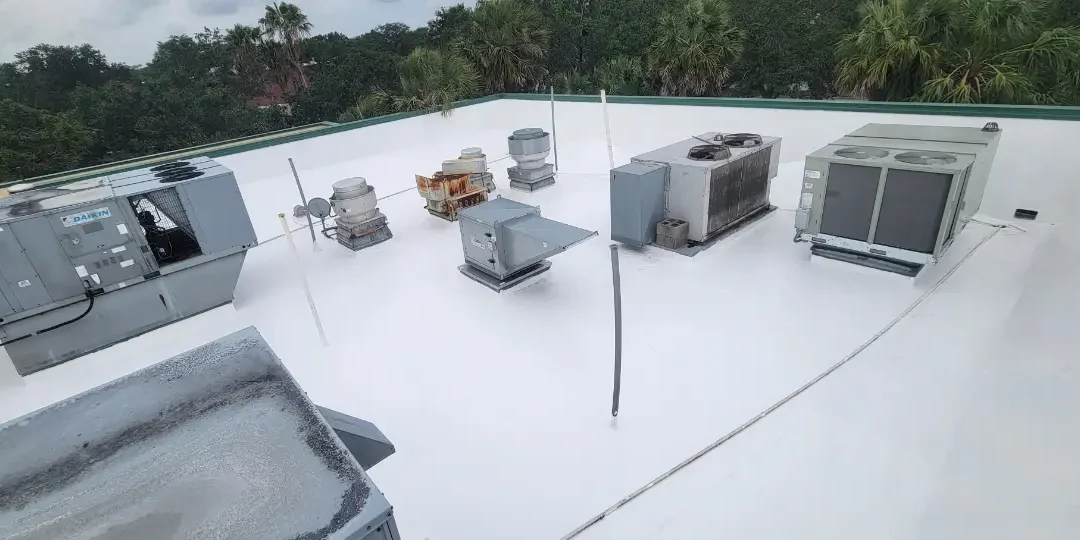
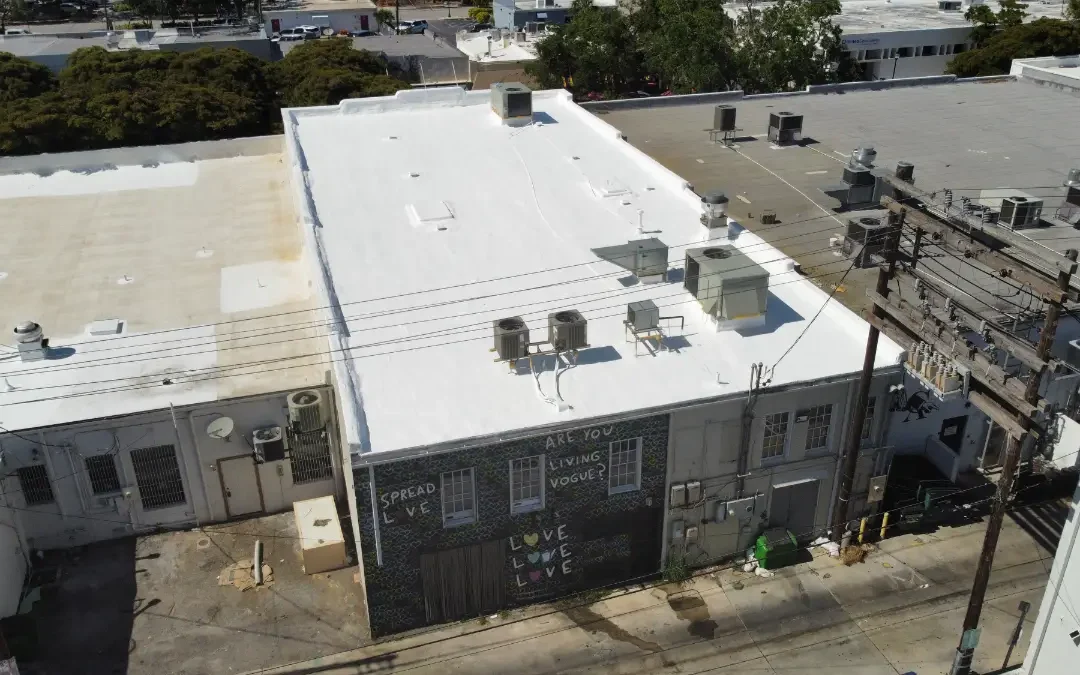
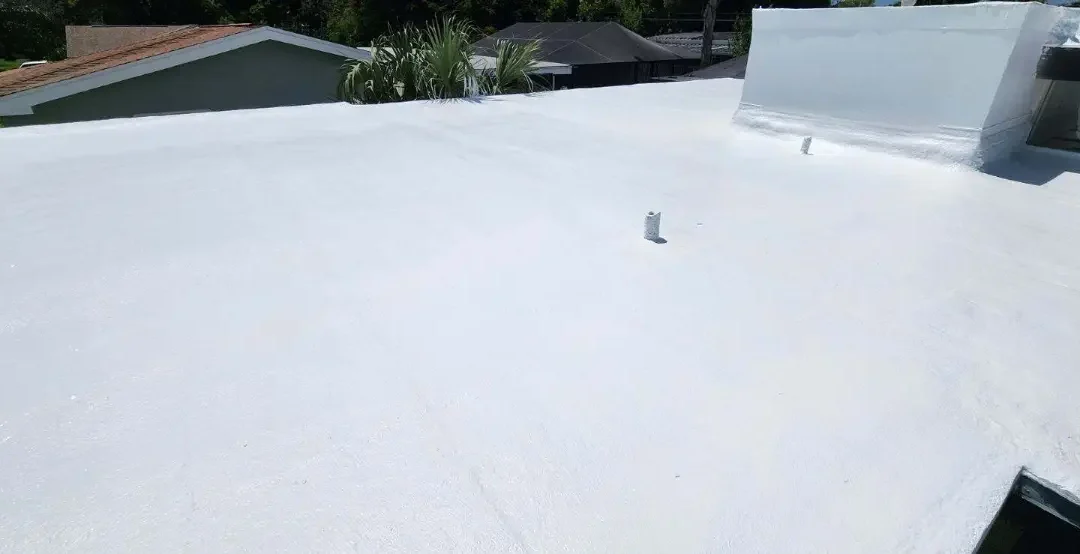
Cool roof coating systems also offer additional benefits because they can reflect more sunlight, absorb less solar energy, and under the right building conditions reduce cooling demand while helping lower roof temperature.
When a roof is assessed early, building owners usually have a better chance of choosing the most cost-effective path instead of the most urgent one.
What to do if you’ve noticed signs of commercial roof damage
If you’ve seen staining, leaks, rust, coating wear, ponding, or other warning signs, the best next step is to get clarity quickly.
Document what you’ve noticed, note when it happens, and book an inspection before the next storm or seasonal weather shift makes the problem worse. Even if the roof isn’t at emergency stage yet, an inspection can help you understand the actual condition of the system and what kind of response makes sense.
Here at Lester’s Carpentry we work with commercial buildings across Pennsylvania and offer roof replacement, as well as repair, restoration, and maintenance-focused solutions for roof systems that may still have service life left in them. If you want to avoid unnecessary disruption and make a better repair decision earlier, start with a local commercial roofing team in Pennsylvania or contact Lester’s Carpentry to schedule an inspection.