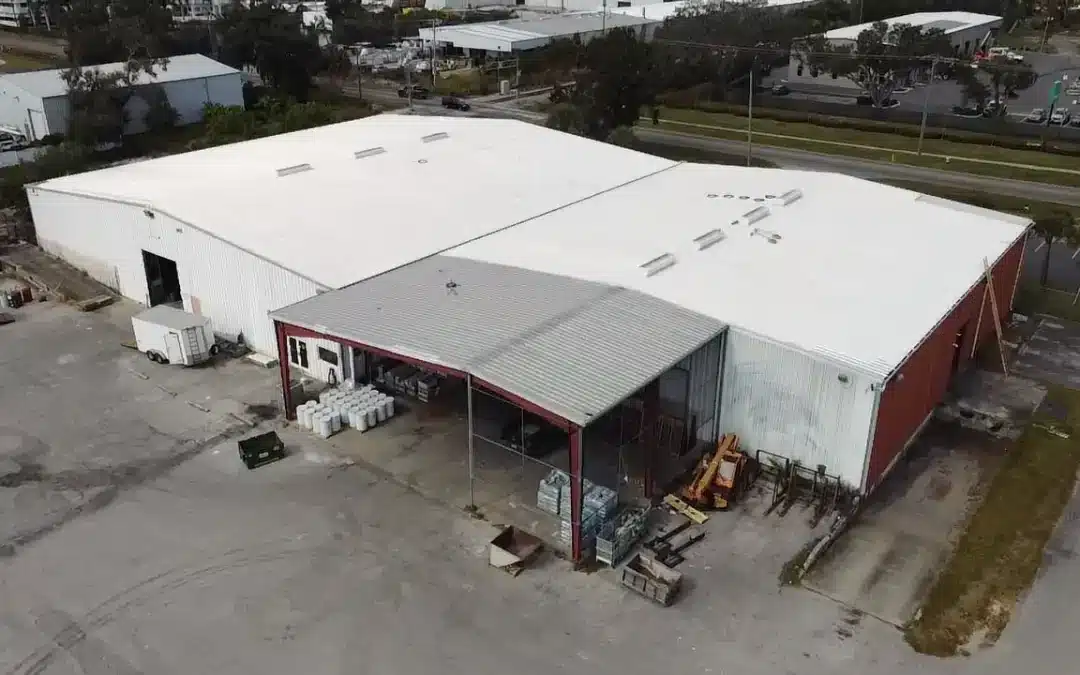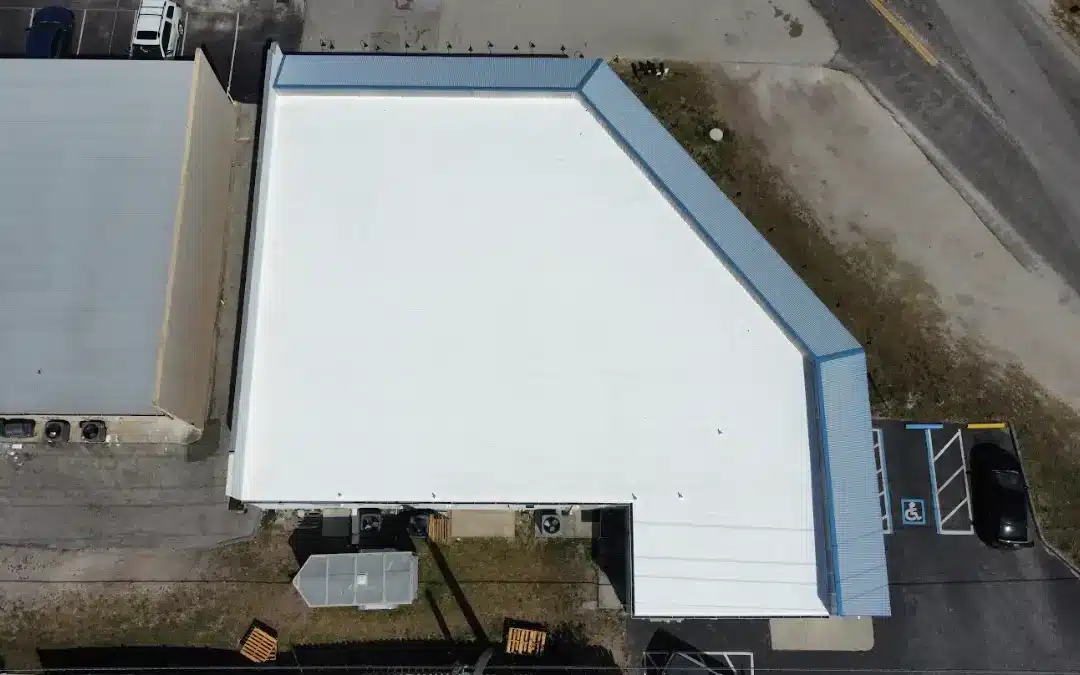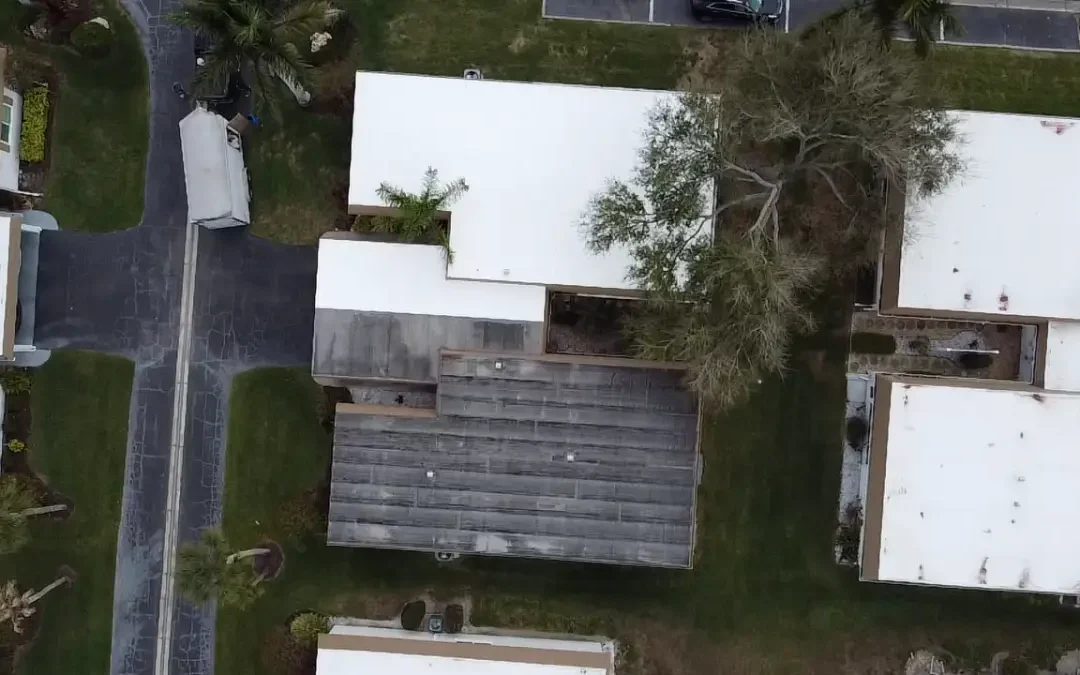
After a long Pennsylvania winter, commercial roofs often come out of the season with hidden damage. Snow, ice, and repeated freeze-thaw cycles can quietly weaken key areas of the roof, even if everything looks fine from the ground.
The challenge is that small issues, such as minor leaks or seam movement, can quickly turn into costly repairs if they aren’t identified early.
At Lester’s Carpentry, we help commercial property owners catch these problems before they escalate. A structured post-winter review, guided by a commercial roof maintenance checklist, can make the difference between a straightforward repair and a much larger restoration project.
Commercial roof maintenance checklist for after winter
A commercial roof maintenance checklist gives you a practical way to assess your roof after winter and identify early signs of damage. You don’t need to carry out a full technical inspection yourself, but knowing what to look for helps you act quickly when something isn’t right.
Here are the key areas to check.
Signs of roof leaks after snow and ice
One of the most common issues after winter is water intrusion. Snow and ice can sit on the roof for extended periods, and as temperatures rise and fall, melting and refreezing can force water into small gaps.
Look for:
- Water stains or damp patches on ceilings or walls inside the building
- Drips or active leaks during thawing periods or after rain
- Musty odors, which can indicate trapped moisture
Even a small leak can point to a larger issue on the roof surface, or a major issue inside the roof if it’s insulated, so it’s worth investigating early.
Damage caused by freeze-thaw cycles
Pennsylvania’s freeze-thaw conditions are one of the biggest contributors to roof damage. As water freezes, it expands. When it melts, it contracts again. Over time, this movement puts stress on roofing materials.
Common signs include:
- Cracks in membranes or coatings
- Separated seams or joints
- Loose or lifted flashing around roof penetrations
- Movement around fasteners on metal roofs
These issues often start small but can worsen quickly if left unchecked. Once a crack forms or a seam separates, it creates a pathway for water to enter the roofing system. That moisture then expands the damaged area, allowing even more water in and accelerating the problem in a continuous cycle of deterioration.
Ponding water and drainage issues
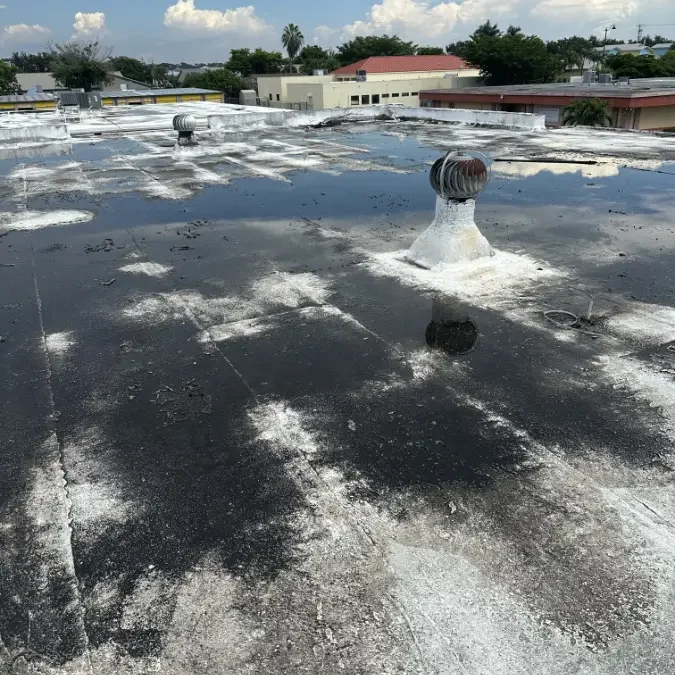
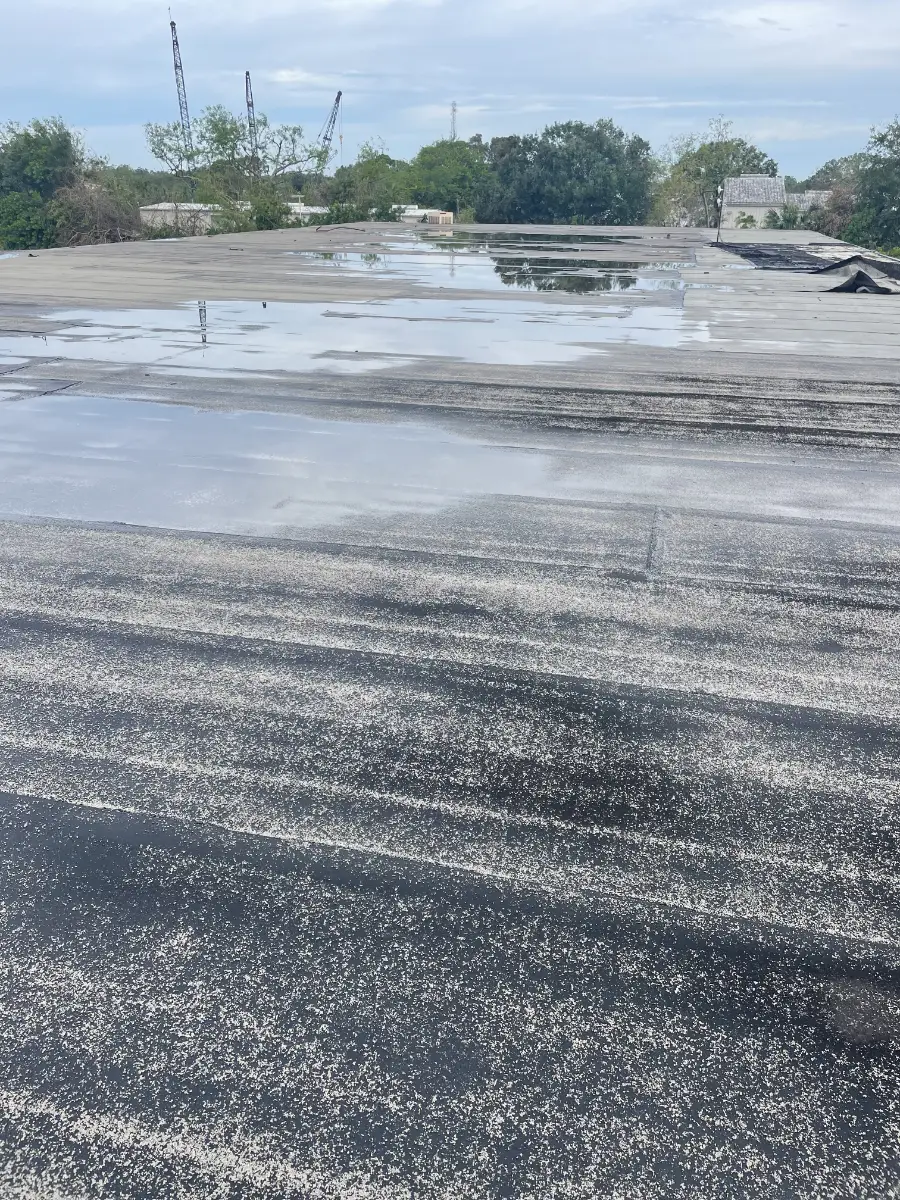
After snow melts, water should drain freely from the roof. If it doesn’t, ponding water. (essentially a puddle on your roof) can develop, which increases the risk of leaks and structural strain.
Check for:
- Standing water that remains more than 48 hours after rain or snowmelt
- Blocked or slow-moving drains and gutters
- Low spots or uneven areas on the roof surface
Ponding water is more than a nuisance. Over time, it can degrade roofing materials and shorten the life of the system.
Surface wear and membrane deterioration
Winter conditions can take a toll on the surface of the roof, particularly on flat and low-slope systems.
Look for:
- Blistering, bubbling, or peeling in the roofing surface
- Areas where coatings appear worn or thin, such as dull, faded, or patchy sections where the surface no longer looks evenly covered
- Exposed or damaged underlying materials, where the protective coating has worn away and the base roofing layer is visible and possibly even deteriorating
These signs suggest that the protective layer of the roof may no longer be performing as intended.
Flashing and penetration issues
Flashing protects vulnerable areas where the roof meets walls, vents, HVAC units, and other penetrations. These areas are especially susceptible to movement during winter.
Inspect for:
- Gaps or separation around flashing, where the material has lifted or pulled away from the surface, leaving openings for water to enter
- Damaged sealant or loose edges, including cracked, brittle, or missing sealant that no longer forms a watertight seal
- Signs of water entry around penetrations, such as staining, damp areas, or deterioration near vents, pipes, or rooftop units
Problems in these areas are a common source of leaks and should be addressed promptly.
What to do if you find damage on your commercial roof
If your commercial roof maintenance checklist reveals any concerns, the most important thing you can do is to take action early. Addressing issues promptly can prevent minor damage from developing into more extensive and costly problems.
In many cases, small repairs, such as sealing seams or fixing flashing, can resolve isolated issues if they’re caught in time. However, when damage is more widespread, or when the roof is showing signs of general wear, it may be more effective to consider restoration rather than repeated repairs.
To make the right decision, a professional assessment is essential. A commercial roof maintenance checklist is a useful starting point, but it can only take you so far. Many forms of damage aren’t immediately visible, and subtle issues beneath the surface can continue to develop long after winter has passed.
If your roof hasn’t been inspected recently, or if you’ve identified potential issues, the next step is to schedule a professional commercial roof inspection.
At Lester’s Carpentry, we assess the full condition of your roof and recommend the most appropriate next steps based on what we find. This may involve minor repairs, ongoing maintenance, or a more comprehensive restoration approach, depending on the extent of the damage.
We also use advanced inspection tools to uncover issues that aren’t visible during a basic visual check. This can include moisture detection equipment and infrared technology to identify trapped water, insulation problems, and early-stage damage beneath the surface.
When you schedule your inspection, make sure your roofing contractor is checking for those hidden signs of damage. The last thing you want is for an inexperienced roofer to patch what seems like a minor leak only to later find that it had actually been slowly saturating your insulation or rotting your roof’s structural timber for months.
Repair vs restoration after winter damage
One of the most common decisions commercial property owners face is whether to repair isolated issues or invest in a broader restoration system.
Repairs are typically the right choice when:
- Damage is limited to a specific area
- The overall roof system is still in good condition
- There are no recurring leak patterns
Restoration may be the better option when:
- Multiple problem areas are starting to appear
- The roof surface shows signs of widespread wear
- Leaks are recurring or difficult to trace
- The roof is approaching the later stages of its lifespan
A restoration system addresses underlying issues across the entire roof, rather than treating symptoms one at a time. This often leads to more consistent performance and fewer surprises over time.
How Lester’s Carpentry approaches commercial roof inspections
At Lester’s Carpentry, we take a system-based approach to commercial roof inspections and repairs. Rather than focusing on isolated issues, we assess how the entire roof is performing after winter conditions.
Our inspection process typically includes:
- A detailed review of seams, flashing, and penetrations
- Assessment of surface condition and coating performance
- Identification of drainage issues and ponding areas
- Evaluation of any existing repairs or previous problem spots
From there, we provide clear, practical recommendations based on the condition of the roof and your goals for the building.
In some cases, that may mean simple repairs. In others, it may involve a restoration system using Conklin products to extend the life of the roof and improve overall performance. In the worst case scenario, if the roof has sustained structural damage, then we can also replace the roof.
Plan ahead for the next season
Spring is the ideal time to assess roof condition, but it’s also the right time to plan ahead. Addressing issues now helps ensure your roof is prepared for summer storms and long-term weather exposure.
A proactive approach can help:
- Reduce the risk of unexpected leaks
- Extend the lifespan of your roof
- Avoid emergency repairs during busy seasons
- Improve energy efficiency through reflective coatings
By taking action early, you can move into the warmer months with confidence that your roof is performing as it should.
Protect your commercial roof before problems escalate
Winter can leave behind damage that isn’t always obvious at first glance. Working through a commercial roof maintenance checklist is a practical first step, but a professional inspection provides a more complete understanding of your roof’s condition.
Identifying and addressing issues early is the best way to avoid larger, more costly problems down the track.
Schedule a free commercial roof inspection with Lester’s Carpentry today to identify any post-winter damage and ensure your roof is ready for the seasons ahead.