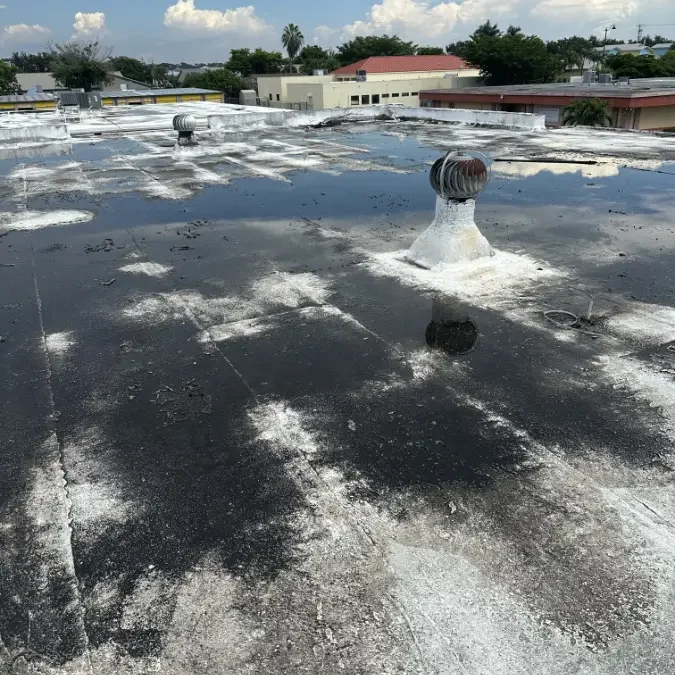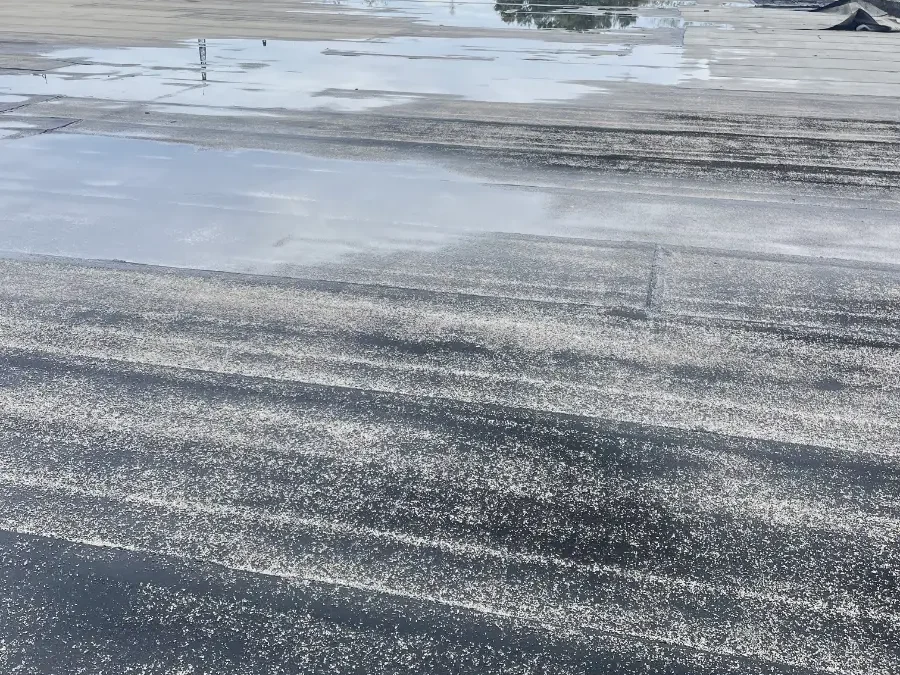
Hailstorms can damage a roof in a matter of minutes, but the effects aren’t always immediately obvious. In some cases, homeowners discover leaks straight away. In others, the damage remains hidden until weeks or months later, when missing granules, cracked shingles, or weakened roofing materials begin causing problems.
If your Pennsylvania home has recently been hit by hail, it’s natural to wonder whether your roof has been damaged, whether repairs are needed, and what steps you should take next. The good news is that not every hailstorm leads to major roofing work, and not every damaged roof needs to be replaced.
This guide explains what Pennsylvania homeowners should do after a hailstorm, how you can identify potential roof damage, and when to arrange a professional inspection. You’ll also get some insight into how roofing contractors determine whether a roof can be repaired or whether replacement may be necessary.
What to do if your roof has been damaged by hail
The first few days after a hailstorm are often the most important. Taking the right steps early can help prevent additional damage, make the inspection process easier, and give you a clearer understanding of your options.
Step 1: Look for signs of roof damage from the ground and inside your home
The safest place to begin is from the ground and inside your home.
Many homeowners make the mistake of climbing onto the roof immediately after a storm. Aside from the safety risks, it can be difficult to identify hail damage without knowing exactly what to look for.
Instead, start by checking for visible signs of damage around your property.
Look for:
- Dents in gutters and downspouts
- Damage to roof vents or flashing
- Broken or cracked skylights
- Pieces of roofing material on the ground
- Damage to outdoor furniture, fences, siding, or vehicles
Inside the home, check for:
- Ceiling stains
- Water marks on walls
- Damp insulation in the attic
- Dripping water
- Musty odours
- New signs of moisture around ceilings, chimneys, or roof penetrations
Keep in mind that not all hail damage causes immediate leaks. A roof may appear to be performing normally even after shingles or other roofing materials have been weakened by impact.
If you notice any signs of damage, take photographs and make notes about what you’ve observed. These records can be helpful when discussing repair options or arranging a professional inspection.
Not sure exactly what hail damage looks like? Later in this guide, we’ll explain the most common signs of hail damage on residential roofs and what homeowners should look for after a storm.
Step 2: Document any visible damage
If you suspect your roof may have been damaged, the next step is to document as much as you can safely observe.
Good documentation creates a record of your roof’s condition shortly after the storm and can be useful when discussing repair options with a roofing contractor. It may also be helpful if you later need to review insurance coverage or compare inspection findings.
Take photographs of any visible signs of hail damage from the ground. Depending on your property, this may include:
- Dented gutters and downspouts
- Damaged siding
- Dents on metal roof components
- Cracked skylights
- Damaged vents
- Roofing debris on the ground
- Hail accumulation, if it’s safe to photograph immediately after the storm
If you have an attic and can safely access it, it may also be worth taking photographs of any water stains, damp insulation, or signs of moisture intrusion within that space.
In addition to photographs, make a note of:
- The date of the storm
- Approximate hail size, if known
- Areas where damage appears most noticeable
- Any new leaks or interior water damage
Avoid climbing onto the roof to inspect shingles or sheets yourself. Residential roofs can be slippery after a storm, and some forms of hail damage are difficult to identify without training and experience. Walking on the roof can also cause additional damage in some situations.
Different roofing materials can show hail damage in different ways. Asphalt shingles, metal roofing, slate, and other roofing systems often respond differently to hail impacts, and some signs of damage are much easier to recognise than others.
We’ll look at those differences later in the article when we discuss how hail damage affects different residential roofing materials.
Step 3: Arrange a professional roof inspection
Many homeowners assume that if their roof isn’t leaking after a hailstorm, everything is probably fine.
Unfortunately, that isn’t always the case.
Some forms of hail damage weaken roofing materials without creating an immediate pathway for water to enter the home. Asphalt shingles, for example, can lose protective granules or develop bruising that isn’t obvious from the ground. While the roof may continue performing normally for a period, those weakened areas can deteriorate more quickly when exposed to sun, rain, wind, snow, and freeze-thaw cycles.
This is one reason professional roof inspections are often recommended after significant hail events, even when there are no visible leaks.
A roofing contractor can identify signs of damage that homeowners may not recognise, including:
- Bruised or fractured shingles
- Granule loss
- Damaged flashing
- Impact damage around vents and roof penetrations
- Loose or lifted roofing materials
- Early signs of water intrusion
- Storm-related damage that could shorten the roof’s lifespan
For Pennsylvania homeowners, prompt inspections can be especially valuable because weather conditions rarely remain stable for long. A roof that survives a summer hailstorm may later be exposed to heavy rain, autumn debris, winter snow, ice, and repeated freeze-thaw cycles that place additional stress on already damaged materials.
The purpose of an inspection isn’t simply to determine whether the roof is leaking today. It is to assess the overall condition of the roofing system and identify problems before they become more expensive to repair.
Many inspections also provide homeowners with valuable peace of mind. If the roof has not been damaged, you’ll know that no further action is needed. If damage is present, you’ll have a clearer understanding of your options and can address the issue before it worsens.
Once the roof has been professionally assessed, the next step is protecting your home from any active leaks while determining the most appropriate long-term solution.
Step 4: Make temporary repairs if necessary
If your roof is actively leaking after a hailstorm, taking temporary measures to protect your home can help minimise additional damage while permanent repairs are being arranged.
The immediate priority is preventing water from damaging ceilings, insulation, flooring, furniture, and personal belongings. Depending on the situation, this may involve placing containers beneath leaks, moving valuable items away from affected areas, or protecting furniture and flooring until repairs can be completed.
If water is entering the attic, it’s also important to monitor insulation and structural components for signs of moisture. Wet insulation can lose its effectiveness and may contribute to mould growth if not addressed promptly.
However, it’s important to remember that temporary measures are not a substitute for proper roof repairs.
One of the challenges with residential hail damage is that the visible problem isn’t always the only problem. A ceiling stain or small leak may be the first sign of damage, but the hailstorm may also have affected shingles, flashing, vents, or other areas of the roof that are not yet causing obvious symptoms.
For this reason, be cautious about assuming a temporary fix has solved the issue. Covering a leak without understanding what caused it can allow hidden damage to worsen over time.
Temporary repairs should also be approached carefully. Climbing onto a roof after a storm can be dangerous, particularly if roofing materials are wet, damaged, or unstable. In many cases, it’s safer to protect the interior of the home and arrange a professional inspection rather than attempting roof repairs yourself.
Understanding the types of damage hail can cause can make it easier to understand repair recommendations and inspection findings. Later in this guide, we’ll explain the most common forms of residential hail damage and how they can affect the long-term performance of your roof.
Step 5: Review repair, replacement, and funding options
Once your roof has been inspected and any immediate leaks have been addressed, the next step is deciding how to move forward.
For many homeowners, this is the stage where questions about repairs, replacement, insurance, and cost start to become a priority. The good news is that hail damage does not automatically mean you need a new roof.
The most appropriate solution depends on several factors, including:
- The extent of the damage
- The age of the roof
- The type of roofing material
- Whether leaks or moisture intrusion are present
- The overall condition of the roof before the storm
When roof repairs may be enough
Many roofs can be successfully repaired after a hailstorm, particularly when the damage is limited to specific areas.
For example, a contractor may be able to replace damaged shingles, repair flashing, address minor leaks, or restore affected sections of the roof without replacing the entire roofing system.
If the roof is otherwise in good condition and the damage is identified early, repairs can often provide a cost-effective solution that restores the roof’s ability to protect the home.
When roof restoration may be an option
Some homeowners are surprised to learn that repair and replacement are not always the only choices available.
Depending on the roofing system, the extent of the damage, and the overall condition of the roof, restoration may sometimes provide an effective middle ground between minor repairs and full replacement.
Roof restoration generally involves repairing damaged areas and improving the roof’s performance without removing and replacing the entire roofing system. In some situations, this may include the use of specialised roof coating systems designed to improve weather resistance and extend roof life.
Restoration is most likely to be considered when:
- The roof remains structurally sound
- Storm damage is moderate rather than severe
- The roof has useful service life remaining
- Water intrusion has been limited
- The roofing system is a suitable candidate for restoration
For some homeowners, restoration can offer benefits such as:
- Lower costs than full replacement
- Less disruption to the household
- Extended roof life
- Improved weather protection
- Potential energy-efficiency improvements, depending on the system used
However, restoration is not appropriate for every roof. The decision depends on the type of roofing material, the extent of the hail damage, and the condition of the roof before the storm occurred.
A professional inspection can help determine whether restoration is a practical option or whether repairs or replacement would provide a better long-term outcome.
When replacement may be recommended
In some situations, replacement may provide the best long-term outcome.
This is more likely when damage is widespread, when the roof was already nearing the end of its service life, when restoration is not a viable option, or when multiple roofing components have been compromised. Significant granule loss, widespread shingle bruising, extensive cracking, or long-term moisture intrusion may also influence the recommendation.
However, replacement decisions should be based on the overall condition of the roof, not simply the fact that a hailstorm occurred.
A professional inspection helps ensure that homeowners receive recommendations based on the actual condition of the roofing system rather than assumptions.
Consider insurance coverage
If hail damage is confirmed, many homeowners will also want to review their insurance coverage.
Every policy is different, so it’s important to speak directly with your insurer or insurance representative regarding coverage, exclusions, deductibles, and claim requirements.
Having photographs, inspection reports, and documentation from shortly after the storm can often make these conversations easier.
While a roofing contractor can help identify and document damage, only your insurance provider can determine what is covered under your policy.
Explore grants and funding options
If repairs or replacement are needed, cost is often one of the biggest concerns for homeowners.
Depending on your circumstances, there may be grants, loans, or assistance programs available to help with roofing improvements or repairs. These programs vary over time and may have specific eligibility requirements.
To learn more about available options, visit our guide to Pennsylvania roofing grants and loans.
Focus on the best long-term solution
Whether your roof ultimately requires a small repair or a full replacement, the goal should be the same: restoring your home’s ability to remain safe, dry, and protected for years to come.
The right solution isn’t always the cheapest option in the short term, nor is it always the largest project. The best outcome is the one that addresses the damage properly while supporting the long-term health of the roofing system.
In the sections that follow, we’ll look more closely at the types of damage hail can cause, how different roofing materials respond to hail impacts, and how roofing professionals determine the most appropriate repair recommendations.
What hail can do to a residential roof
Understanding how hail affects a roof can make it easier to understand inspection findings and repair recommendations.
One of the reasons hail damage is sometimes overlooked is that not all damage is immediately obvious. A roof may continue keeping water out for weeks or even months after a storm, despite having sustained damage that affects its long-term performance.
The extent of the damage depends on several factors, including:
- The size and density of the hail
- Wind speed during the storm
- The age of the roof
- The type of roofing material
- The condition of the roof before the storm
While some hailstorms leave visible signs of damage, others cause more subtle problems that become apparent only as the roof continues to age and weather.
Common forms of residential hail damage include:
- Bruised shingles
- Cracked shingles
- Missing granules
- Damaged flashing
- Cracked skylights
- Dented vents and roof components
- Damage to gutters and downspouts
- Loosened roofing materials
- Small punctures or fractures in roofing materials
For homeowners, granule loss is one of the most common concerns. Asphalt shingles are designed with protective granules that help shield the roof from ultraviolet radiation and weather exposure. When hail knocks these granules away, the affected shingles can deteriorate more quickly over time.
Another challenge is that some forms of hail damage may initially appear cosmetic but still affect the roof’s lifespan. Small fractures, bruising, or weakened areas may not cause immediate leaks, but they can become more vulnerable to future weather events.
This is particularly important in Pennsylvania, where roofs must withstand changing seasonal conditions throughout the year. A roof weakened by hail during the summer may later face heavy rain, autumn debris, snow accumulation, ice, and repeated freeze-thaw cycles that place additional stress on already damaged materials.
Not every dent or impact mark means a roof requires major work. However, distinguishing between cosmetic damage and damage that affects the roof’s ability to protect the home often requires professional assessment.
The type of damage can also vary significantly depending on the roofing material involved. Asphalt shingles, metal roofing, slate roofing, and other systems all respond differently to hail impacts.
In the next section, we’ll look at how hail damage differs across common residential roofing materials and what roofing professionals typically look for during an inspection.
How hail damage differs by roofing material
Not all residential roofs respond to hail in the same way.
The size of the hailstones certainly matters, but so do the roofing materials involved. What causes significant damage to one roof may have little effect on another, which is why professional inspections focus on the specific roofing system installed on the home.
Understanding how different roofing materials respond to hail can help homeowners make sense of inspection findings and repair recommendations.
Asphalt shingle roofs
Asphalt shingles are the most common residential roofing material in Pennsylvania, and they are often one of the most vulnerable to hail damage.
When hail strikes an asphalt shingle roof, it can:
- Knock protective granules off the shingle surface
- Create bruises or soft spots
- Cause cracking or splitting
- Loosen shingles
- Shorten the roof’s expected lifespan
One of the challenges with asphalt shingles is that bruising isn’t always visible from the ground. A shingle may look relatively normal while having sustained impact damage that weakens its protective surface.
Because granules play an important role in protecting shingles from weather and ultraviolet radiation, significant granule loss can accelerate deterioration over time.
Metal roofs
Metal roofing systems are generally very durable, but hail can still cause damage.
The most common issue is denting. Depending on the severity of the storm, hail may leave dents in roof panels, flashing, gutters, downspouts, and other metal components.
Some dents are purely cosmetic and don’t affect the roof’s ability to shed water. Others may impact seams, fasteners, protective coatings, or drainage pathways.
A professional inspection can help determine whether the damage affects appearance only or whether repairs are needed to maintain long-term performance.
Slate roofs
Slate roofs are known for their durability, but they can be vulnerable to impact damage from large hailstones.
Unlike asphalt shingles, slate may crack, chip, or fracture when struck with sufficient force. Even a small crack can allow water intrusion and may worsen over time as the roof experiences seasonal temperature changes.
Because matching replacement slate can sometimes be challenging, prompt identification of damaged tiles is important.
Wood shake roofs
Wood shake roofing systems can also be affected by hail.
Impacts may cause splitting, cracking, or surface damage that allows moisture to penetrate the wood more easily. Over time, this can contribute to rot, deterioration, and reduced weather resistance.
The age and condition of the wood often influence how well the roof withstands a hailstorm.
Composite and synthetic roofing materials
Many modern homes use composite or synthetic roofing products designed to mimic the appearance of slate, wood, or other traditional materials.
The performance of these products during hailstorms varies depending on the manufacturer, product design, and impact rating. Some are specifically engineered to resist hail damage more effectively than traditional roofing materials.
Even so, significant hail events can still cause cracking, punctures, or other forms of damage that require professional assessment.
Cosmetic damage versus functional damage
One reason homeowners sometimes receive different opinions after a hailstorm is that not all damage affects the roof in the same way.
Cosmetic damage may affect the appearance of the roof without significantly impacting its ability to protect the home. Functional damage, on the other hand, affects the roofing system’s ability to shed water, resist weather, or perform as intended.
Distinguishing between cosmetic and functional damage is often one of the most important parts of a professional inspection.
Once the roofing material has been evaluated, the next step is determining whether repairs will be sufficient or whether replacement may provide the best long-term solution.
Repair or replacement: How contractors decide
One of the biggest concerns homeowners have after a hailstorm is whether their roof can be repaired or whether it needs to be replaced.
The answer depends on the condition of the roof as a whole, not just the most visible signs of damage.
A professional inspection looks beyond individual shingles or impact marks to evaluate how the roofing system is performing overall. The goal is to determine whether repairs can restore the roof’s ability to protect the home or whether replacement would provide a better long-term outcome.
When roof repairs may be enough
Many roofs can be successfully repaired after a hailstorm.
Repairs are often appropriate when the damage is limited to specific areas and the rest of the roofing system remains in good condition. Examples might include:
- A small number of damaged shingles
- Localised granule loss
- Minor flashing damage
- Isolated leaks
- Limited storm damage affecting only one section of the roof
In these situations, targeted repairs can often restore the roof’s performance without the cost and disruption of a full replacement.
The sooner damage is identified, the more likely it’s that repairs may be a viable option.
When roof restoration may be recommended
In some situations, restoration can provide an effective middle ground between minor repairs and full replacement.
Rather than replacing the entire roofing system, restoration focuses on repairing damaged areas and improving the roof’s performance and longevity. Depending on the roofing material and the condition of the roof, this may involve restoring weather protection through specialised repair and coating systems.
A contractor may recommend restoration when:
- The roof remains structurally sound
- Hail damage is moderate rather than severe
- The roof still has useful service life remaining
- Moisture intrusion has been limited
- The roofing system is a suitable candidate for restoration
- Homeowners want to extend roof life without the cost of a full replacement
For some homeowners, restoration can provide several benefits:
- Lower costs than replacement
- Less disruption to the household
- Extended roof life
- Improved weather resistance
- Potential energy-efficiency improvements, depending on the system used
Not every roof is a suitable candidate for restoration, and the decision depends on factors such as the roofing material, the extent of the damage, and the overall condition of the roof.
A professional inspection can help determine whether restoration is a practical option or whether repairs or replacement would provide a better long-term outcome.
When roof replacement may be recommended
There are situations where replacement provides the most practical long-term solution.
A contractor may recommend replacement when:
- Damage is widespread across the roof
- Large numbers of shingles have been compromised
- The roof is approaching the end of its expected lifespan
- Previous repairs have already been performed multiple times
- Moisture intrusion has affected underlying roofing components
- The overall condition of the roof was poor before the hailstorm occurred
- Restoration is unlikely to provide a reliable long-term solution
In these cases, continuing to perform repairs or pursuing restoration may not provide the reliability or value that homeowners need.
Replacement isn’t necessarily about the amount of damage caused by a single storm. Often, it’s the combination of storm damage, age, wear, and existing issues that influences the recommendation.
Why two homes can receive different recommendations
Homeowners are sometimes confused when neighbours who experienced the same storm receive different advice about their roofs.
This is completely normal.
Even homes built in the same neighbourhood can have roofs of different ages, different materials, different maintenance histories, and different levels of pre-existing wear.
For example, one home may have a relatively new roof with minor hail damage that can be repaired. A neighbouring property may have an older roof with ageing shingles and widespread storm damage that makes replacement the more sensible option.
Because every roof is unique, and storms aren’t uniform, recommendations should be based on the condition of the roofing system itself rather than assumptions about the storm.
Beware of one-size-fits-all recommendations
A trustworthy roofing contractor should be able to explain exactly why a repair or replacement recommendation is being made.
You should feel comfortable asking questions such as:
- What specific damage was found?
- Can the damaged areas be repaired?
- What are the advantages and disadvantages of repair versus replacement?
- How long is the roof expected to last under each option?
- Are there any concerns that could lead to future problems?
Clear explanations will help you make informed decisions and avoid unnecessary work.
Focus on the long-term health of the roof
The best roofing solution isn’t always the least expensive option, nor is it always the largest project.
The right choice is the one that restores the roof’s ability to protect the home safely and reliably for years to come.
Insurance considerations can sometimes influence these decisions, but the starting point should always be understanding the roof’s actual condition and selecting the solution that best addresses the damage.
In the next section, we’ll look at some of the insurance and warranty considerations homeowners should keep in mind after a hailstorm.
Insurance and warranty considerations
After a hailstorm, many homeowners naturally start thinking about insurance coverage and whether the damage may qualify for a claim.
While insurance can play an important role in the repair process, it’s usually best to begin by understanding the condition of the roof itself. A professional inspection helps identify what damage is actually present and provides the information needed to make informed decisions moving forward.
Document everything as early as possible
If hail damage is suspected, it’s a good idea to create a clear record of what happened and what you observed.
This may include:
- The date of the storm
- Photographs of visible damage
- Interior signs of water intrusion
- Notes about leaks or moisture issues
- Inspection reports
- Estimates or repair recommendations
- Records of any temporary measures taken to protect the home
Good documentation can help create a clearer timeline and provide useful information if you later need to discuss the damage with your insurer.
Understand that insurance policies differ
No two insurance policies are exactly the same.
Coverage can vary based on factors such as:
- Policy terms and exclusions
- Deductibles
- Roof age
- Previous claims history
- The type and extent of the damage
For this reason, homeowners should review their policy carefully and contact their insurer or insurance representative with any questions about coverage.
A roofing contractor can identify and document storm-related damage, but only the insurance provider can determine whether a claim is covered and how the policy applies to a particular situation.
Don’t delay inspections or necessary repairs
One mistake some homeowners make is waiting for an insurance decision before taking any action.
If a roof is leaking or vulnerable to additional water intrusion, reasonable steps should be taken to protect the home. Delaying inspections or necessary repairs can allow damage to worsen and may increase repair costs over time.
Prompt inspections also make it easier to determine what damage may be related to the storm and what issues may have existed beforehand.
Consider warranty requirements
If your roof is still covered by a manufacturer’s warranty or workmanship warranty, it’s worth reviewing the warranty documentation after a hailstorm.
Some warranties include maintenance requirements, inspection recommendations, or specific repair procedures that must be followed to maintain coverage.
While hail and severe weather events are generally outside a homeowner’s control, failing to address known damage promptly can sometimes create additional issues that affect long-term roof performance.
If you’re unsure whether your warranty may be affected, a roofing professional can often help explain the condition of the roof and identify any concerns that may require attention.
Focus on protecting your home, not just navigating a claim
Insurance can be an important part of the process, but it should not be the only factor guiding roofing decisions.
The primary goal is restoring your roof’s ability to protect your home and family. Whether that ultimately involves repairs, restoration, or replacement, the focus should always be on achieving a reliable long-term outcome rather than simply addressing the immediate aftermath of the storm.
Once any hail-related damage has been addressed, the next step is reducing the likelihood of future roofing problems. A proactive maintenance approach can help homeowners identify small issues before the next major storm arrives.
How to reduce future hail and storm damage risk
While no roof can be completely protected from severe weather, there are several steps homeowners can take to reduce the likelihood of minor storm damage turning into major roofing problems.
The goal isn’t necessarily preventing every dent, crack, or impact mark. Instead, it’s ensuring the roof remains in good condition so it can withstand Pennsylvania’s changing weather and continue protecting the home year after year.
Schedule regular roof inspections
Many roofing problems develop gradually and are easy to overlook from the ground.
Loose flashing, ageing shingles, deteriorating sealants, and small areas of damage may seem insignificant on their own, but they can become vulnerable points during a hailstorm or other severe weather event.
Regular roof inspections help identify these issues before they become larger and more expensive problems.
For many Pennsylvania homeowners, it’s a good idea to arrange inspections:
- After major hailstorms or severe weather events
- Following significant windstorms
- When buying or selling a home
- If the roof is approaching the later stages of its expected lifespan
- As part of a regular maintenance programme
Keep gutters and drainage systems clear
Your roof’s drainage system plays an important role in protecting both the roof and the home.
When gutters and downspouts become blocked with leaves, branches, or other debris, water may not drain properly from the roof. This can increase the likelihood of moisture-related problems and place additional stress on roofing materials.
Regularly cleaning and inspecting the following elements can help improve drainage and reduce the risk of water-related damage:
- Gutters
- Downspouts
- Gutter guards
- Roof valleys
- Areas where debris commonly accumulates
Address small roofing issues promptly
One of the most effective ways to protect a roof is to deal with small problems before they become large ones.
A missing shingle, loose flashing, damaged sealant, or minor leak may not seem urgent today, but these issues often become worse when exposed to future storms.
Prompt repairs can help:
- Extend roof life
- Reduce repair costs
- Prevent water intrusion
- Improve storm resistance
- Reduce the likelihood of emergency repairs
Trim overhanging branches
Trees can contribute to roof damage during severe weather.
Overhanging branches may scrape roofing materials, drop debris onto the roof, or break during storms. Keeping branches trimmed away from the roof can reduce these risks and make it easier to spot developing roofing issues during visual inspections.
Understand the age and condition of your roof
Homeowners who understand the condition of their roof are often better prepared to make informed decisions after severe weather.
Try to determine approximately:
- When the roof was installed
- What roofing materials were used
- Whether major repairs have been completed previously
- When the roof was last inspected
Knowing these things can make it easier to evaluate inspection findings and determine the most appropriate course of action after a storm.
Take a proactive approach to roof maintenance
The homeowners who experience the fewest roofing surprises are often those who treat roof maintenance as an ongoing responsibility rather than something that only matters when a leak appears.
Simple preventative maintenance, regular inspections, and prompt repairs can help extend roof life and reduce the impact of future storms.
While hailstorms cannot be prevented, a well-maintained roof is generally better equipped to withstand severe weather and recover more effectively when damage does occur.
Don’t ignore hail damage that seems minor
Not every hailstorm causes serious roofing damage, and not every damaged roof needs to be replaced. However, even relatively minor hail damage can create problems that become more expensive and disruptive if left unaddressed.
The challenge for homeowners is that roof damage isn’t always obvious. A roof may continue performing normally for weeks or months after a storm while hidden issues gradually worsen. By the time leaks, water stains, or other symptoms appear inside the home, repairs may be more extensive than they would have been immediately after the storm.
That’s why acting early is so important.
By checking for signs of damage, documenting what you find, arranging a professional inspection, and addressing problems promptly, you can make informed decisions that help protect both your home and your budget.
Whether your roof ultimately requires a simple repair or a full replacement, the best place to start is with a clear understanding of its condition.
If your Pennsylvania home has recently been affected by hail or severe weather, Lester’s Roofing & Carpentry can help. Our team provides professional roof inspections, repairs, and replacement services to help homeowners restore and protect their roofs with confidence. Please reach out to our friendly team to discuss your roofing concerns or request a quote. And if you’re concerned about the cost of roofing work, you may also find our guide to Pennsylvania roofing grants and loans helpful. It outlines funding options that may be available to assist eligible homeowners with roof repairs and improvements.
The sooner potential hail damage is identified, the more options you’ll typically have for addressing it effectively, so we encourage you to reach out as soon as possible after a hail event.