Solar Reflectance Roofing in Pennsylvania: How Reflective Roofs Improve Year-round Performance
Many Pennsylvanian property owners assume reflective roofs are only useful in places with extreme heat. Nothing could be further from the truth. The solar reflectance index, which measures how well a roofing surface reflects sunlight and releases heat, plays a major role in how a roof handles temperature stress throughout the year. Solar reflectance roofing helps stabilize roof temperature in both summer heat and winter freeze–thaw cycles, which means better roof performance and fewer long-term structural problems.
What solar reflectance roofing actually is
Solar reflectance roofing is built around a simple idea: the less heat a roof absorbs from the sun, the better it performs. A key measure of this is the solar reflectance index (SRI), which combines how well a roof reflects sunlight with how efficiently it releases absorbed heat. A higher index means the surface stays cooler and more stable, even during intense summer sun.
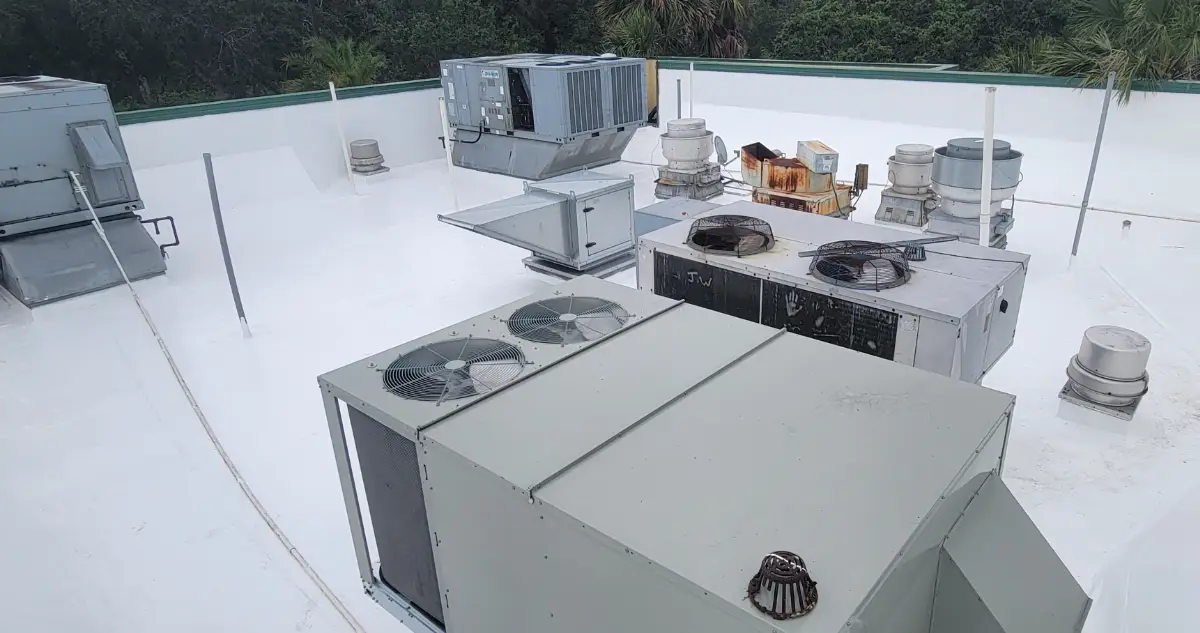
Reflective roof coatings, especially high-performing systems like Conklin Rapid Roof, are designed to achieve excellent solar reflectance values. These coatings form a bright, durable surface that reduces heat gain and prevents the large temperature swings that cause many roofing materials to expand, contract, and eventually fail. Cool roof technology draws on this principle by using coatings and membranes that keep surface temperatures far lower than traditional dark roofs.
For Pennsylvania’s commercial properties and homes, this kind of temperature control matters. It influences comfort, energy use, roof longevity, and moisture behavior within the building envelope. When solar reflectance is increased through a modern coating system, the result is a more efficient, stable roofing surface that performs better in every season.
How reflective roofing performs in Pennsylvania’s four-season climate
Pennsylvania’s climate creates some of the toughest conditions for any roofing system. Summer brings high heat and intense sunlight, while winter delivers freezing temperatures, snow, and repeated freeze–thaw cycles. These shifts cause many roofs to expand and contract so frequently that seams separate, coatings crack, and membranes wear out early. Reflective roof coatings help counter these problems by keeping surface temperatures more consistent throughout the year.
In summer, a high solar reflectance index keeps a reflective roof noticeably cooler than a conventional dark surface (some reports have measured temperature reductions of 30-40 degrees). This reduces heat gain inside the building and limits the stress placed on the roof as temperatures rise. In winter, property owners sometimes assume that a reflective roof draws heat away from the building, but roof color has very little impact on indoor warmth in winter. Insulation, ventilation, and the building envelope regulate heat retention. What matters most in winter is temperature stability on the roof. By reducing rapid warming during sunny afternoons and slowing overnight cooling, reflective surfaces minimize thermal shock, which is a leading cause of cracks and material fatigue.
This smoothing out of temperature extremes gives reflective roofing a clear advantage in Pennsylvania’s four-season climate. Lower peak temperatures, fewer freeze–thaw cycles, and reduced expansion stress all support longer roof life and fewer repairs.
Conklin Rapid Roof and other high-reflectance coating systems
Reflective roof coatings vary widely in quality, and the difference often shows up in their solar reflectance index. Conklin Rapid Roof is one of the highest-performing options available. It provides a bright, resilient finish that maintains reflectivity for years, even when exposed to the repeated seasonal swings common in Pennsylvania.
Conklin Rapid Roof uses an advanced elastomeric formulation that stretches and recovers as temperatures shift. This flexibility helps protect commercial flat roofs, agricultural buildings, and low-slope residential roofs from cracking and seam stress. Its high reflectance also reduces heat absorption in summer, which improves energy performance and helps limit cooling strain inside the building.
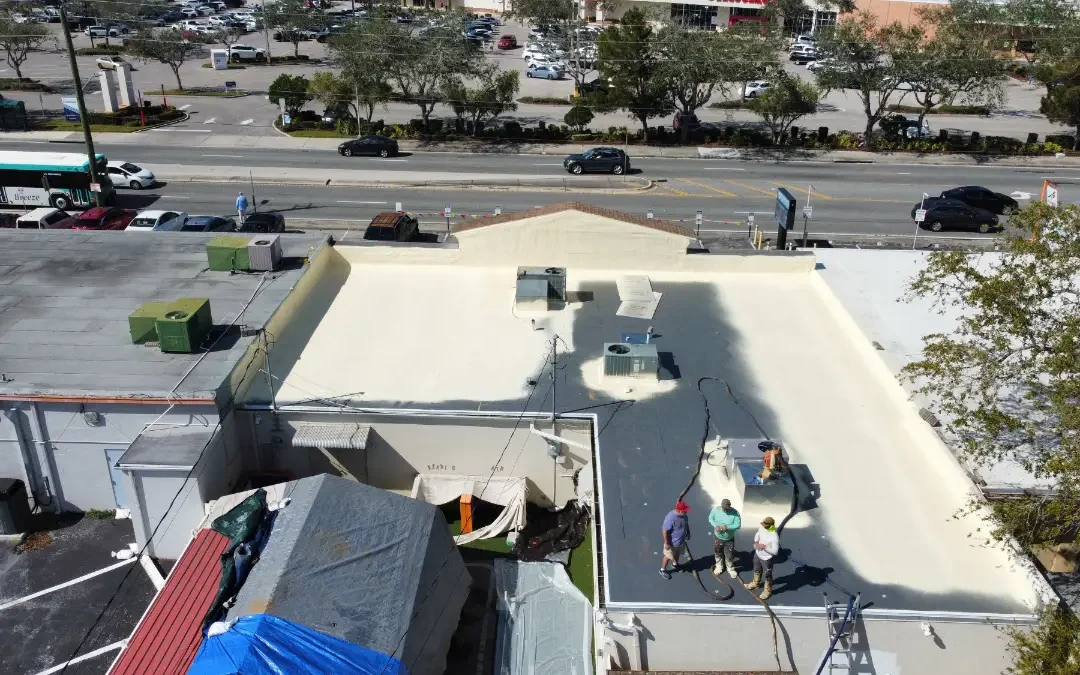
White roof coating systems like Conklin Benchmark offer similar benefits, although each product is tailored to specific roof types and performance goals. When applied as part of a complete restoration, these coatings create a seamless, waterproof surface that boosts durability and reduces long-term maintenance. For many Pennsylvanian properties, these systems provide an effective alternative to roof replacement because they restore the existing surface rather than removing it.
Energy, comfort, and cost benefits for Pennsylvania properties
A high-reflectance roof does more than reduce surface temperature. For commercial and residential properties across Pennsylvania, the benefits show up in year-round comfort, energy savings, and long-term performance. Reflective roof coatings reduce heat gain during summer, which eases strain on cooling equipment and limits temperature spikes inside the building. Even a modest drop in rooftop heat can lead to noticeably steadier indoor conditions in metal buildings, warehouses, workshops, and multi-use commercial spaces.
The savings extend beyond summer. When a roof maintains a more consistent temperature across the seasons, the entire roofing system lasts longer. Materials expand and contract less dramatically, moisture intrusion is reduced, and the roof experiences fewer stress points. This stability helps prevent leaks, membrane separations, and surface cracking, all of which are common in Pennsylvania’s mixed climate. Over time, avoiding these repairs can preserve significant value.
For homeowners, a cooler roof can help reduce attic heat during summer, improving whole-home comfort and protecting stored belongings. For businesses, the gains often include lower cooling costs, improved indoor conditions, and more predictable maintenance budgets.
Is your building a good candidate for solar reflectance roofing?
Solar reflectance roofing can benefit many properties, but some are especially well-suited to high-reflectance coatings. Commercial flat roofs are often the strongest candidates because they absorb significant heat in summer and face heavy freeze–thaw stress in winter. When these roofs show early signs of fatigue, such as minor leaks, surface cracking, or membrane wear, a reflective restoration system can often resolve the issues without the cost of a full replacement.
Residential properties with low-slope or metal roofs can also benefit. Homeowners who experience overheated upper floors or attic spaces in summer often see a noticeable improvement after applying a coating with a strong solar reflectance index. The bright, durable surface helps limit heat buildup and creates a more stable thermal environment throughout the year.
A professional inspection is the simplest way to determine whether a property is ready for a coating system or requires additional repairs first. Winter is an excellent time for this assessment because cold weather reveals weaknesses that may not be visible during warmer months. If the roof is structurally sound, coatings like Conklin Rapid Roof, Conklin Benchmark, or other white roof coating systems can often restore performance and extend lifespan.
Protect your roof with a high-performance solar reflectance system
Solar reflectance roofing offers a powerful way to stabilize roof temperature, reduce seasonal stress, and support long-term performance for properties across Pennsylvania. High-quality reflective roof coatings with strong solar reflectance index values help limit heat gain in summer and reduce thermal shock in winter. When applied through advanced systems such as Conklin Rapid Roof, these coatings can restore an aging roof and extend its lifespan without the cost and disruption of replacement.
Now is an ideal time to assess how your roof is coping with winter weather. A professional inspection can identify whether your home or commercial building is ready for a reflective coating that will improve comfort, reduce future repairs, and support better year-round efficiency.
Lester’s Carpentry is ready to help you plan a long-lasting, high-reflectance roofing solution tailored to your property. Contact the team today to schedule your winter inspection and prepare your roof for stronger seasons ahead.