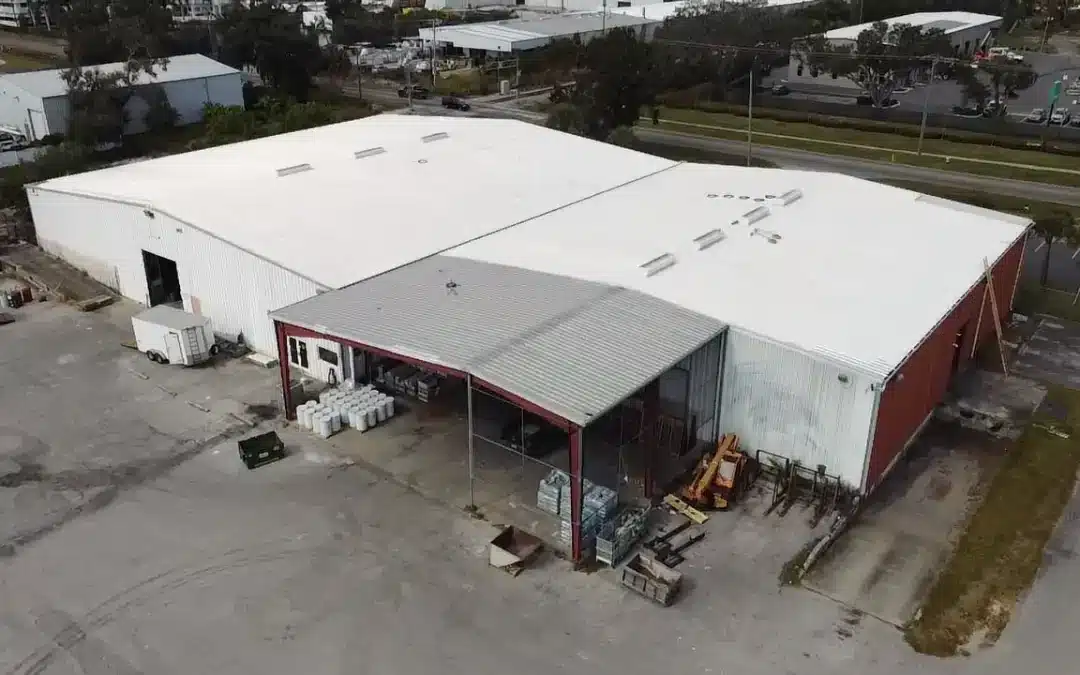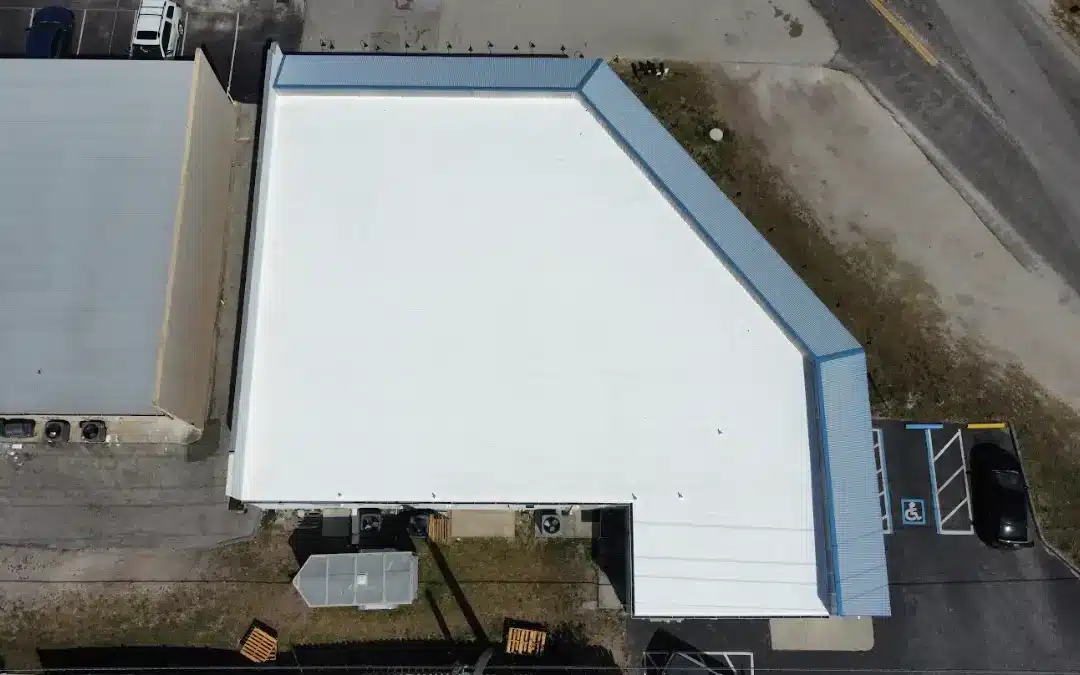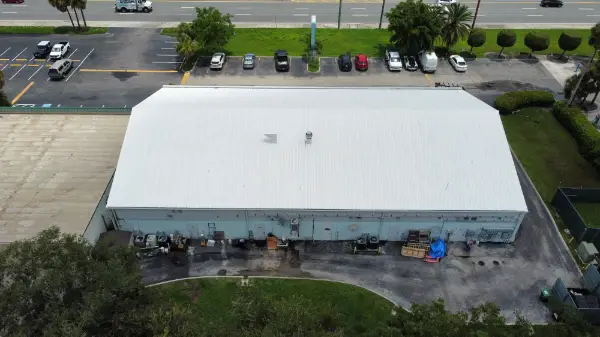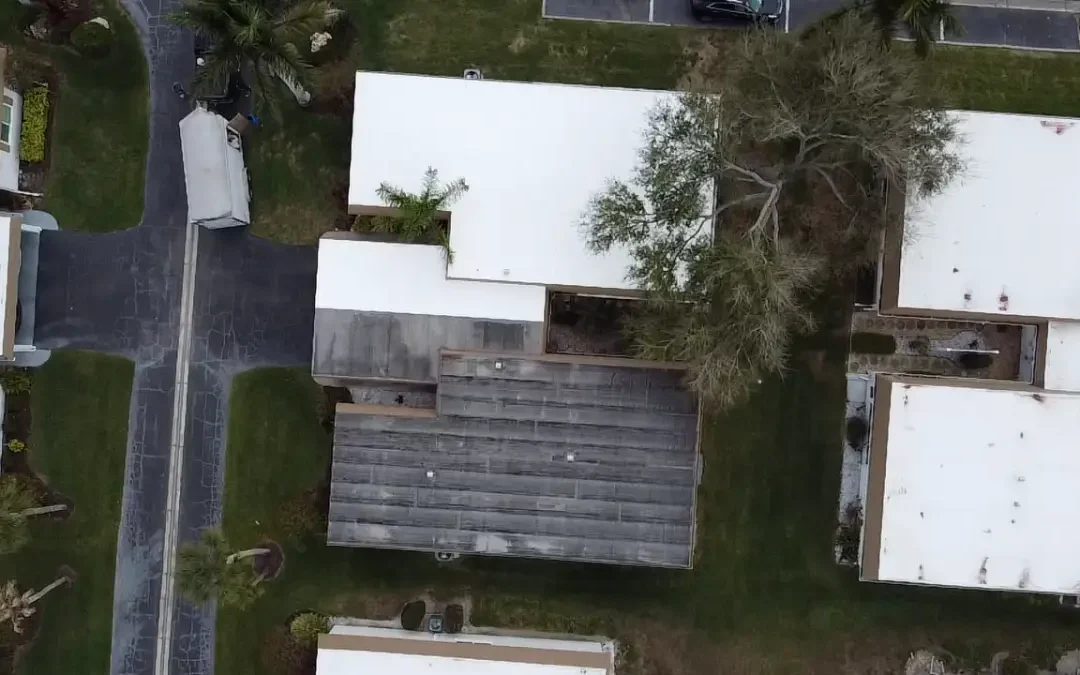
A flat roof in Pennsylvania has to handle summer heat, heavy rain, snow, ice, and freeze-thaw movement. The roofing system you choose affects how well the building stays protected through each season. TPO roofing is a single-ply membrane roofing system used mainly on flat and low-slope roofs and is fairly popular in Pennsylvania.
Many property owners first hear about TPO when they’re dealing with a leak, reviewing a repair quote, planning a replacement, or comparing flat roofing options. And that’s a real shame because TPO can be a strong choice for many buildings. Obviously, though, it’s not right for every property. The cost, lifespan, repair options, and performance of TPO all depend on the condition of the existing roof, the quality of the installation, the drainage design, and how the building is used.
TPO roofing is a common flat and low-slope roofing option for a wide variety of building types, including commercial buildings, rental properties, workshops, churches, schools, and some homes. Here’s everything you need to know about TPO roofing and its cost, lifespan, repairs, maintenance, and pros and cons in the Pennsylvania climate, so you can make a more informed roofing decision.
What is TPO roofing?
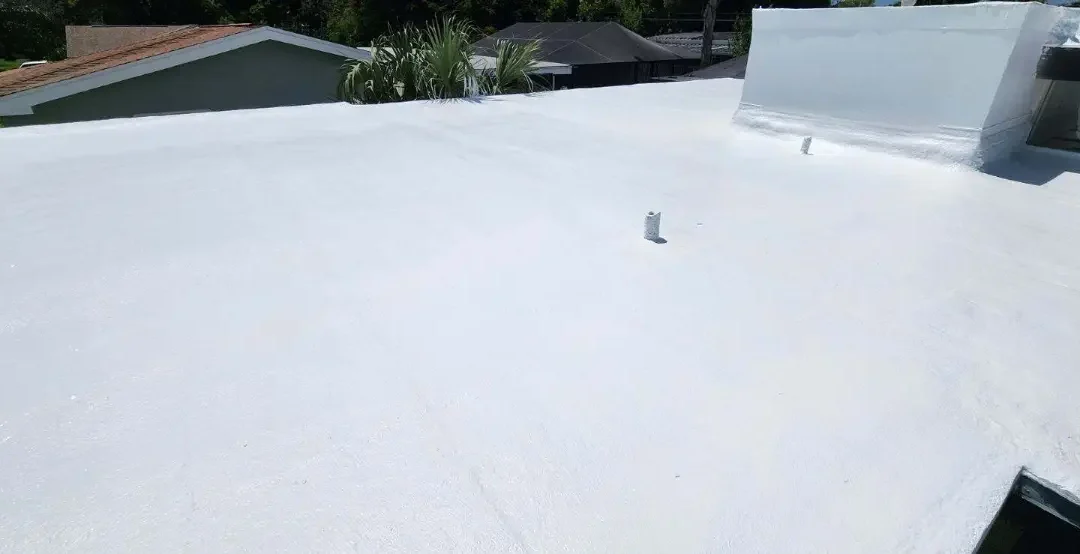
TPO stands for thermoplastic polyolefin. In practical terms, TPO roofing is a flexible single-ply roofing membrane installed over flat and low-slope roofs to help create a watertight roof surface.
A single-ply membrane is a sheet roofing material installed across the roof instead of being built up in multiple asphalt-based layers. TPO membranes are commonly reinforced and designed to be welded at the seams during installation.
TPO roofing is often used on commercial buildings, but it can also be used on some residential flat or low-slope roof areas.
You may see TPO roofing on buildings such as:
- Warehouses
- Shops and retail buildings
- Offices
- Schools
- Churches
- Multifamily properties
- Workshops
- Low-slope additions
- Certain residential flat roof sections
A TPO roofing membrane is usually installed in sheets, with seams joined together during installation. Those seams are typically heat-welded, which helps create a strong, watertight bond when the system is installed correctly.
The membrane matters, but it’s only one part of the roof’s performance. Installation quality, drainage, seams, flashing, rooftop penetrations, and maintenance all affect how well the roof protects the building.
How TPO roofing works on flat and low-slope roofs
A TPO roof is part of a full roofing system, not just one sheet of material placed over a building.
Depending on the building and the roof design, a TPO roofing system may include:
- The roof deck or existing substrate
- Insulation
- A cover board
- The TPO roofing membrane
- Seams
- Flashing
- Drains, gutters, or scuppers
- Edge metal
- Fasteners or adhesives
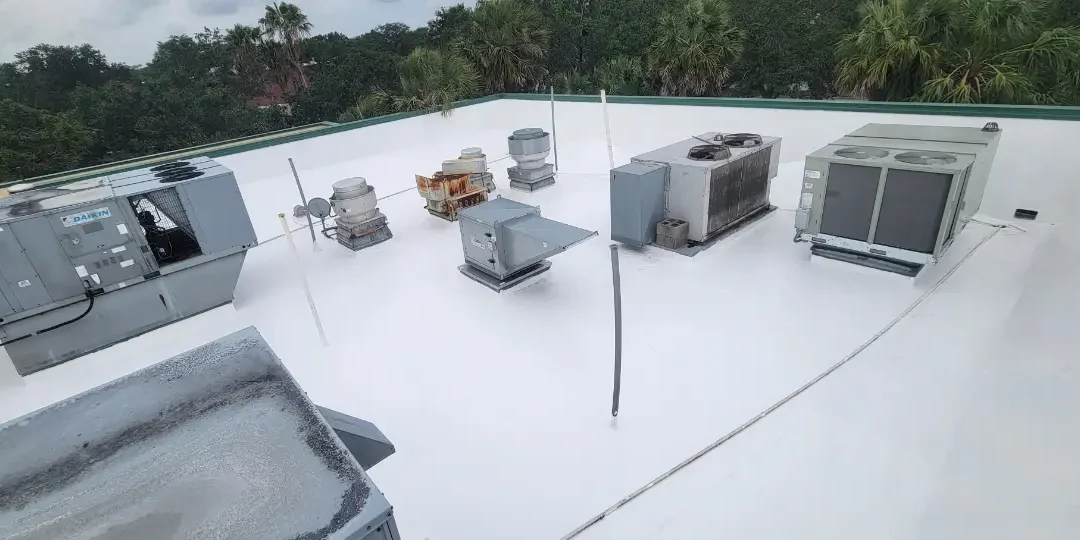
- Details around vents, pipes, skylights, HVAC units, and other penetrations
The visible membrane is important, but many roofing problems begin at the details. Roof penetrations, perimeter edges, drains, seams, and rooftop equipment areas all need careful attention.
For example, a commercial roof with aging seams may need targeted repair if the rest of the system is still sound. A roof with widespread moisture below the membrane may need a more extensive solution because the problem isn’t limited to the surface.
That’s why a proper roof inspection should look beyond the obvious leak location. Water can enter at one point, move through the roofing system, and show up indoors somewhere else. On a flat or low-slope roof, the visible stain inside the building does not always show where the roof problem began.
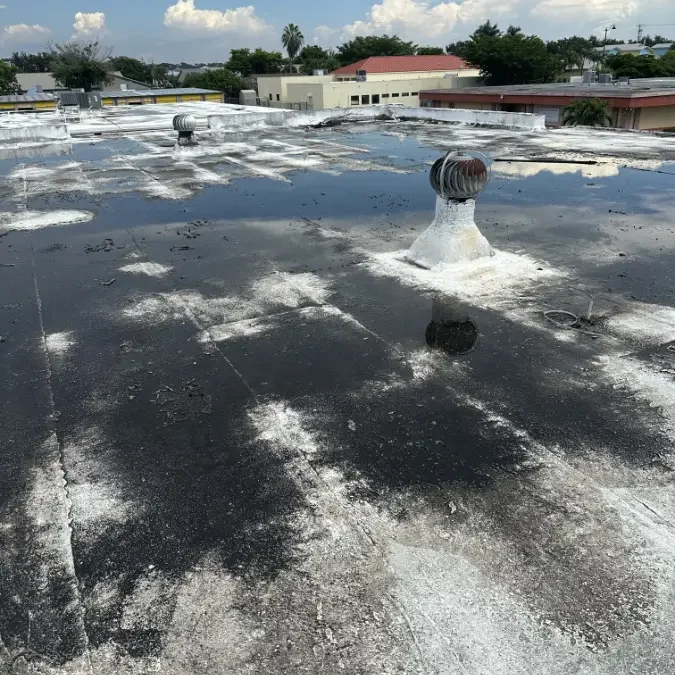
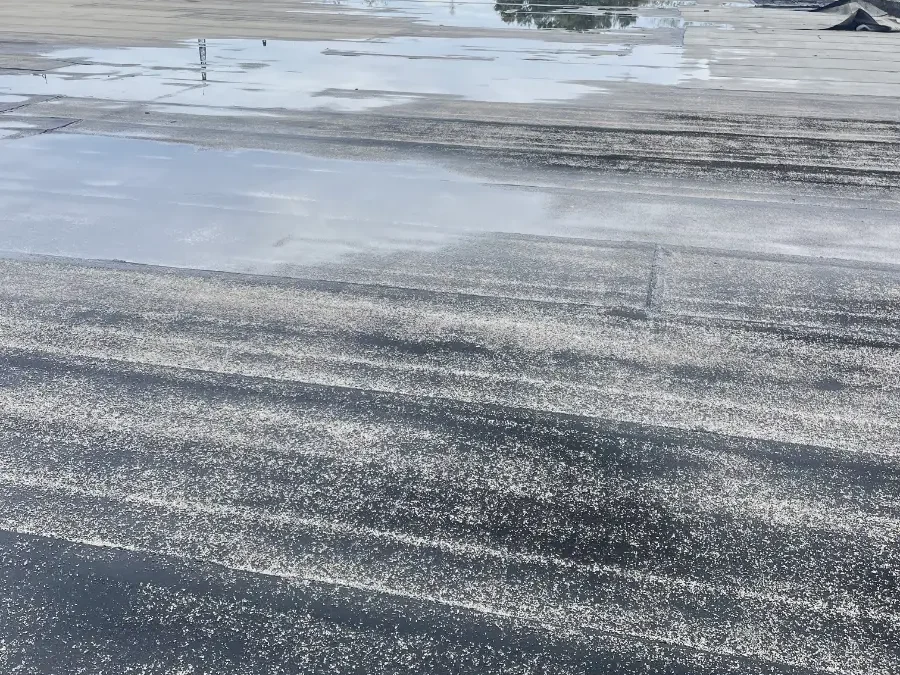
Drainage is another major factor. Flat roofs are not meant to hold water indefinitely. They are usually designed with a slight slope or drainage system to move water away from the roof surface. When drains clog, gutters fail, or low areas develop, ponding water can put added stress on the membrane, seams, insulation, and structure below.
In Pennsylvania, that drainage concern becomes even more important before winter. Standing water can freeze, expand, and stress vulnerable areas of the roof.
How much does TPO roofing cost?
TPO roofing cost depends on the building, the roof condition, and the scope of the project. There’s no reliable one-size-fits-all price for a commercial or low-slope roof without an inspection, however, as a general guide, a full installation tends to cost in the order of $4-$15+ per square foot of roof.
Several factors can affect TPO roofing cost, including:
- Roof size
- Membrane thickness (prices tend to range from $2.50-$6 per square foot)
- Insulation needs (often $1-$3.50 per square foot)
- Whether there’s an existing roof that must be removed (removal can be $0.50-$2 per square foot plus dumpster/haul fees)
- Roof access
- Drainage condition
- Number of penetrations (often $2-$7 per linear foot for copings, HVAC units, pipes etc.)
- Edge and flashing details (also often $2-$7 per linear foot)
- Existing leaks or trapped moisture
- Deck or substrate condition
- Labor and project complexity
- Warranty requirements
- Whether the project is a new install, repair, restoration, or full replacement
Two roofs can be the same size and still receive very different quotes. One roof may have a clean, dry substrate and straightforward access. Another may have wet insulation, damaged decking, failing drainage, multiple rooftop units, and repeated leak repairs.
Those differences change the real scope of the job.
A cheaper TPO roofing quote isn’t always a better quote if it skips necessary preparation, drainage correction, flashing work, insulation, or detail repairs. For building owners, the better question is not just ‘How much does TPO roofing cost?’ It’s ‘What is included in the scope, and does it solve the actual roof problem?’
When comparing TPO roofing estimates, look closely at:
- What work is included
- What materials are being used
- Whether old roofing will be removed or covered
- How wet insulation or damaged substrate will be handled
- How seams, penetrations, drains, and edges will be detailed
- What warranty or workmanship terms apply
- What maintenance expectations come with the system
For commercial buildings, rental properties, churches, schools, and other larger structures, a professional inspection is the most reliable way to understand the real project cost.
How long does TPO roofing last?
Broadly speaking, a TPO roof without a protective coating can last 15-25 years. However, the exact lifespan of any given roof depends on installation quality, membrane thickness, UV exposure, drainage, foot traffic, maintenance, weather, and repair history.
Roof age matters, but it doesn’t tell the whole story. A newer TPO roof with poor drainage and neglected maintenance may perform worse than an older roof that has been installed well and cared for consistently.
In Pennsylvania, a TPO roof may be exposed to:
- Summer heat
- Heavy rain
- Snow accumulation
- Ice
- Freeze-thaw movement
- Seasonal temperature swings
- Rooftop service traffic
- Debris from nearby trees
Each of these can affect the roof over time.
A roof inspection can help assess the real condition of a TPO roofing system by checking:
- Seam condition
- Flashing details
- Penetrations
- Ponding areas
- Membrane punctures or scuffs
- Edge details
- Drainage points
- Signs of trapped moisture
- Interior water stains or leak patterns
Regular maintenance can help extend the useful life of a TPO roof. Similarly, a quality roof coating can increase the life of a TPO roof by 10 years. But maintenance and rejuvenation coatings can’t make up for poor installation or delayed repairs. If seams are failing, water is trapped beneath the membrane, or insulation has been compromised, the roof may need more than routine upkeep.
For Pennsylvania property owners, late summer and early fall can be a practical time to inspect a TPO roof. Catching small issues before freezing temperatures arrive can help reduce the chance of winter leaks, ice-related stress, and emergency repairs.
Common TPO roofing repairs
TPO roofing can often be repaired when the damage is isolated and the surrounding roof system is still in good condition.
Common TPO roofing repair issues may include:
- Punctures or cuts in the membrane
- Seam problems
- Flashing failures
- Damage around vents, pipes, drains, or rooftop units
- Edge detail issues
- Ponding water
- Scuffs or wear from rooftop foot traffic
- Movement or stress around penetrations
- Leaks caused by aging or poorly detailed repairs
Rooftop equipment areas are especially important on commercial buildings. HVAC service traffic, dropped tools, sharp edges, and repeated movement across the same path can damage the membrane if the roof is not protected.
A leak doesn’t always mean the entire TPO roof has failed. Sometimes a targeted repair can solve the problem. For example, a puncture, flashing issue, or seam problem may be repairable if the rest of the roof is sound.
Repeated repairs in the same area can point to a larger issue. If water has moved beneath the membrane, soaked insulation, or affected the roof deck, surface repair may only provide temporary relief.
TPO roofing repairs should use compatible materials and proper preparation. The area often needs to be cleaned, assessed, and repaired in a way that fits the existing system. This is not the place for guesswork or quick patching, especially on a commercial building where one leak can affect inventory, equipment, tenants, staff, or customers.
If you have a TPO roof leak, the safest next step is to have the roof inspected so the real source of the problem can be identified before repair decisions are made.
TPO roofing maintenance for Pennsylvania buildings
TPO roofing maintenance in Pennsylvania is about keeping the roof clean, functional, and ready for the next season.
In our climate and location, the most useful maintenance rhythm usually follows the weather. Spring inspections can identify damage after snow, ice, and freeze-thaw stress. Late-summer or fall inspections can help prepare the roof before colder weather arrives.
A practical TPO roof maintenance plan may include checking:
- Debris on the roof surface
- Drains, gutters, and scuppers
- Ponding water
- Seams
- Flashing
- Roof edges
- Membrane punctures or scuffs
- Rooftop equipment areas
- Walk paths
- Interior leak signs
- Previous repair areas
Debris removal is especially important. Leaves, branches, loose materials, and windblown debris can block drains and create ponding water. Once water sits on the roof longer than it should, it can add stress to the roofing system.
Maintenance also helps with budgeting. A property owner who knows the roof is aging, but still repairable, can plan ahead instead of waiting for an emergency leak. This can be especially helpful for businesses, churches, schools, and rental properties where roof work may need to be scheduled around operations, tenants, or seasonal constraints.
Maintenance records can also help when reviewing warranties, planning capital improvements, or comparing repair and replacement options.
Pros and cons of TPO roofing
TPO roofing has several potential advantages, but it also has limitations. The right choice depends on the building, the roof condition, and the property owner’s goals.
The potential benefits of TPO roofing include:
- Suitability for flat and low-slope roofs: TPO is commonly used on commercial and low-slope roofing systems.
- Reflective surface options: Many TPO membranes are light-colored, which can help reduce heat absorption compared with darker roof surfaces.
- Heat-welded seams: When installed correctly, heat-welded seams can create a strong bond.
- Commercial use: TPO is widely used on commercial buildings, which makes it a familiar option for many low-slope roof projects.
- Repair potential: Isolated damage can often be repaired if the surrounding roofing system is still in good condition.
The possible drawbacks of TPO roofing include:
- Installation sensitivity: TPO performance depends heavily on proper installation, seam work, flashing, and roof preparation.
- Puncture risk: Like other single-ply membranes, TPO can be damaged by sharp objects, careless rooftop traffic, or equipment work.
- Detail failures: Leaks often occur around seams, edges, penetrations, drains, or rooftop units if those areas are not properly installed or maintained.
- Drainage concerns: Ponding water and clogged drains can shorten the life of any flat roofing system.
- Maintenance needs: TPO roofing still needs regular inspection and maintenance. It should not be treated as a set-and-forget roof.
TPO is not automatically better than every other flat roofing option. EPDM, roof coatings, spray polyurethane foam, metal roofing, and other systems may suit different buildings depending on the roof’s condition, slope, use, and budget.
The best roofing system is the one that solves the actual problem on your roof.
Is TPO roofing right for your building?
TPO roofing may be worth considering if your building has a flat or low-slope roof and needs a single-ply roofing system suited to commercial or mixed-use conditions.
It may be a practical option for buildings where:
- Reflectivity is important
- The roof is flat or low-slope
- The building needs a commercial-grade membrane system
- The roof structure and substrate are suitable
- Drainage can be managed properly
- The project can be installed by an experienced roofing team
- The owner is willing to maintain the roof over time
Repair may be enough when the issue is isolated and the surrounding roof system is still in good condition. That may include a puncture, localized seam issue, flashing problem, or small area of damage.
Replacement or a more extensive solution may be needed when there is widespread membrane failure, recurring leaks, trapped moisture, wet insulation, damaged decking, poor drainage, or multiple failing details across the roof.
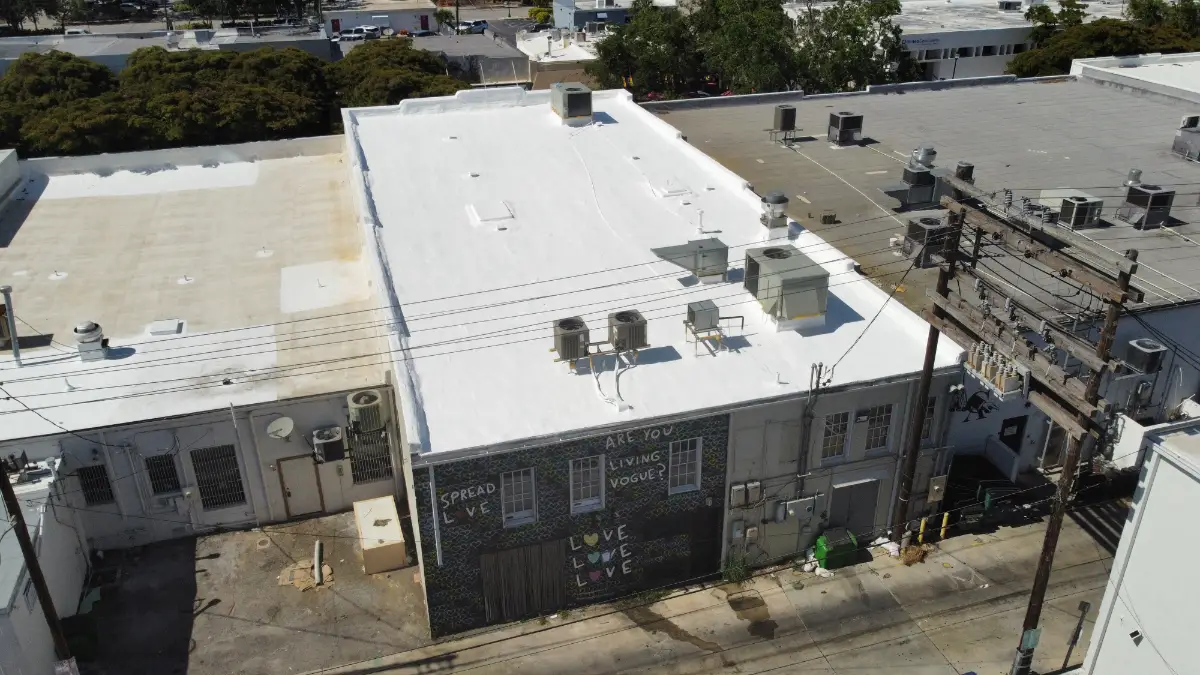
Some existing TPO roofs may also be candidates for coating-based restoration, depending on the condition of the membrane, drainage, adhesion, trapped moisture, and product compatibility. Lester’s Roofing & Carpentry can assess whether targeted TPO repair, replacement, rejuvenation with Conklin roof coatings, spray polyurethane foam, EPDM, metal roofing, or another approach is the better fit.
The right answer depends on what’s actually happening on the roof, not just the roofing material name.
Timing matters too. If you already know your flat or low-slope roof has issues, spring to early fall can be a practical window for inspection, repair, restoration, or replacement planning before Pennsylvania winter weather narrows your options.
Get the right advice before you choose a TPO roofing system
TPO roofing is a common single-ply roofing system for flat and low-slope roofs. It can be a strong option for many Pennsylvania commercial and residential buildings, but cost, lifespan, repair options, and long-term performance all depend on roof condition and installation quality.
Before choosing TPO, property owners should consider drainage, winter weather, maintenance history, building use, insulation, roof access, and existing damage.
If you’re considering TPO roofing or already have a TPO roof that needs repair or maintenance, contact Lester’s Roofing & Carpentry to schedule a professional roof inspection. Our team can assess your roof and help you understand whether TPO repair, replacement, restoration, coating, or another roofing solution is the right fit for your Pennsylvania property.