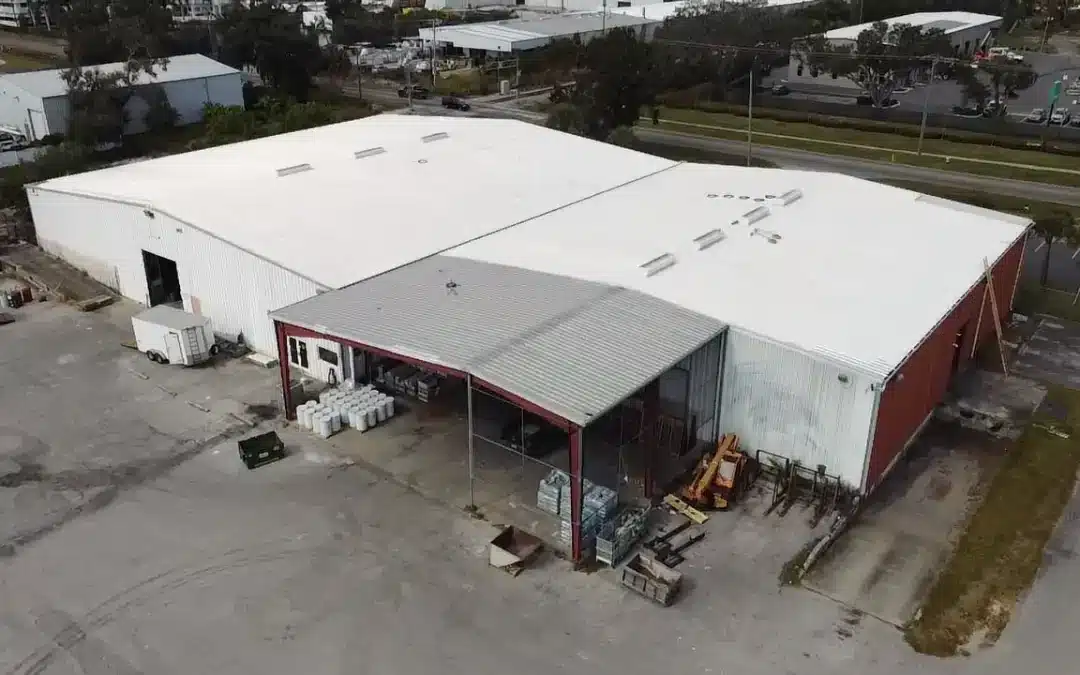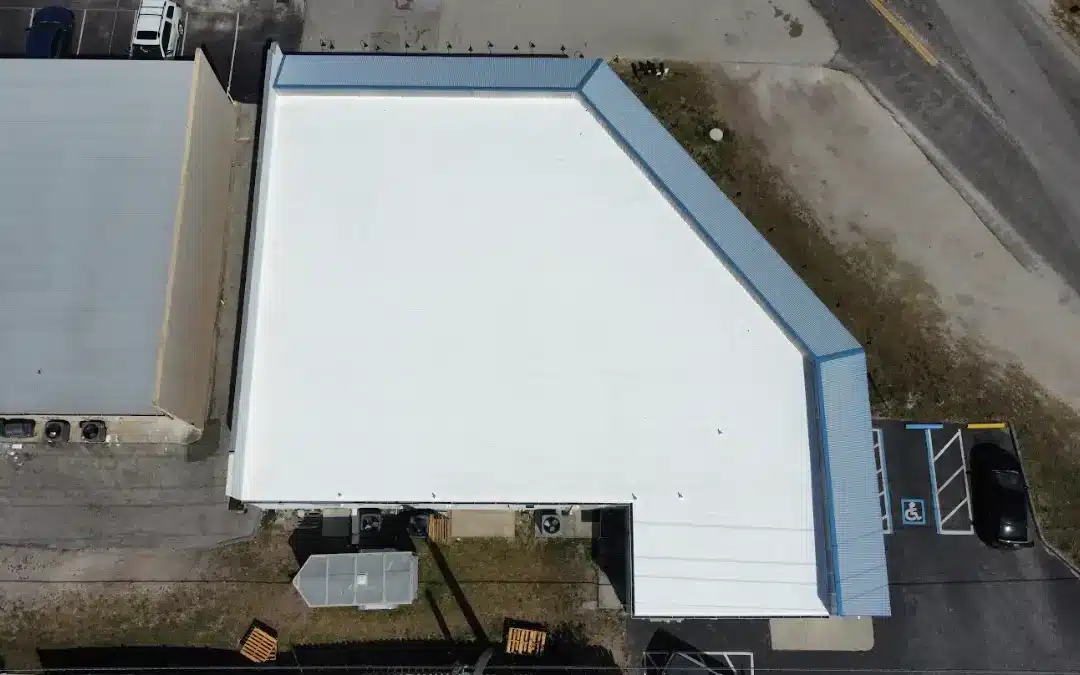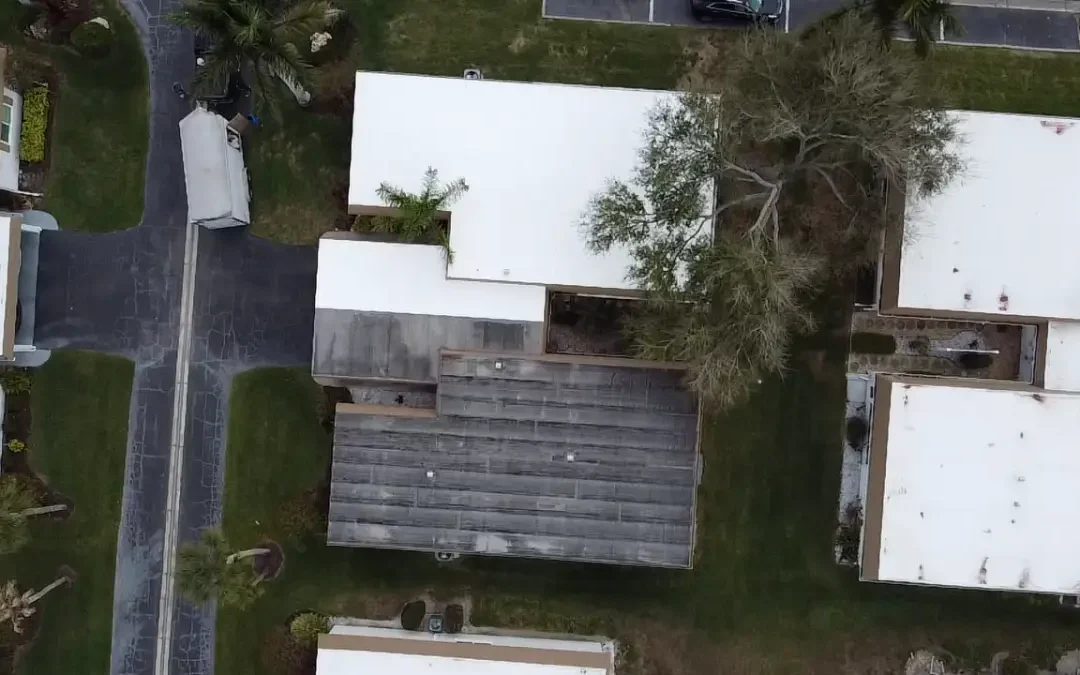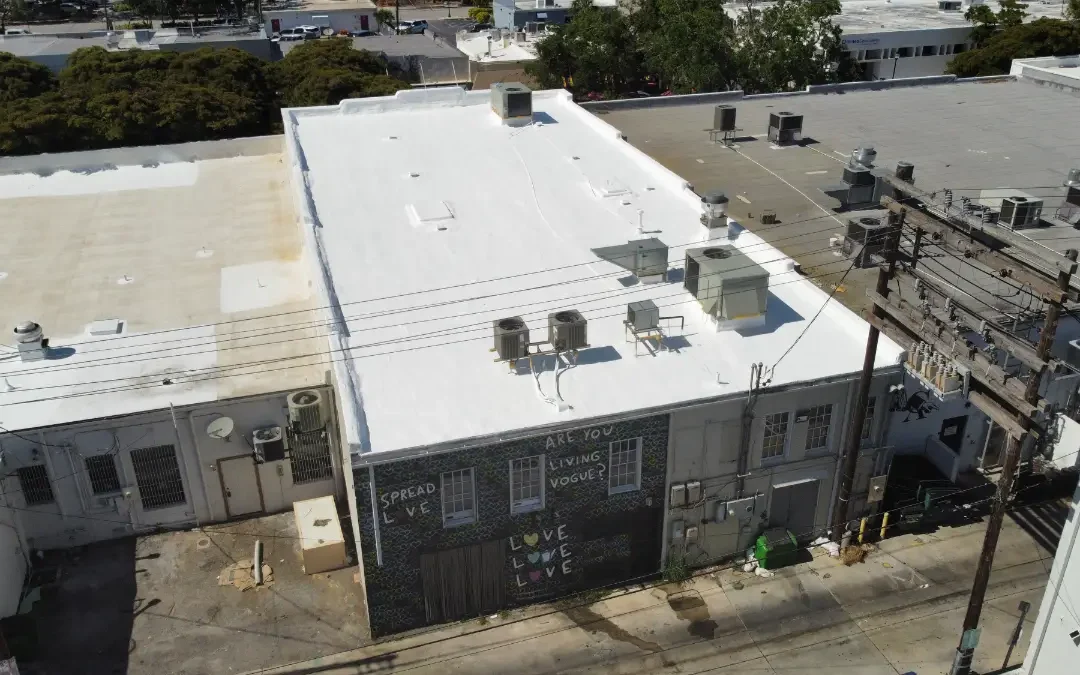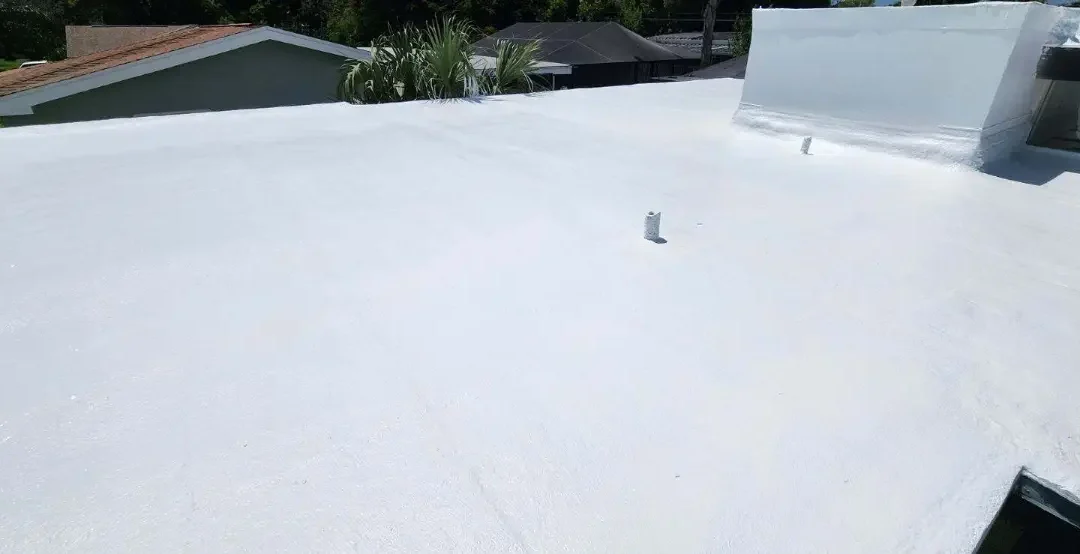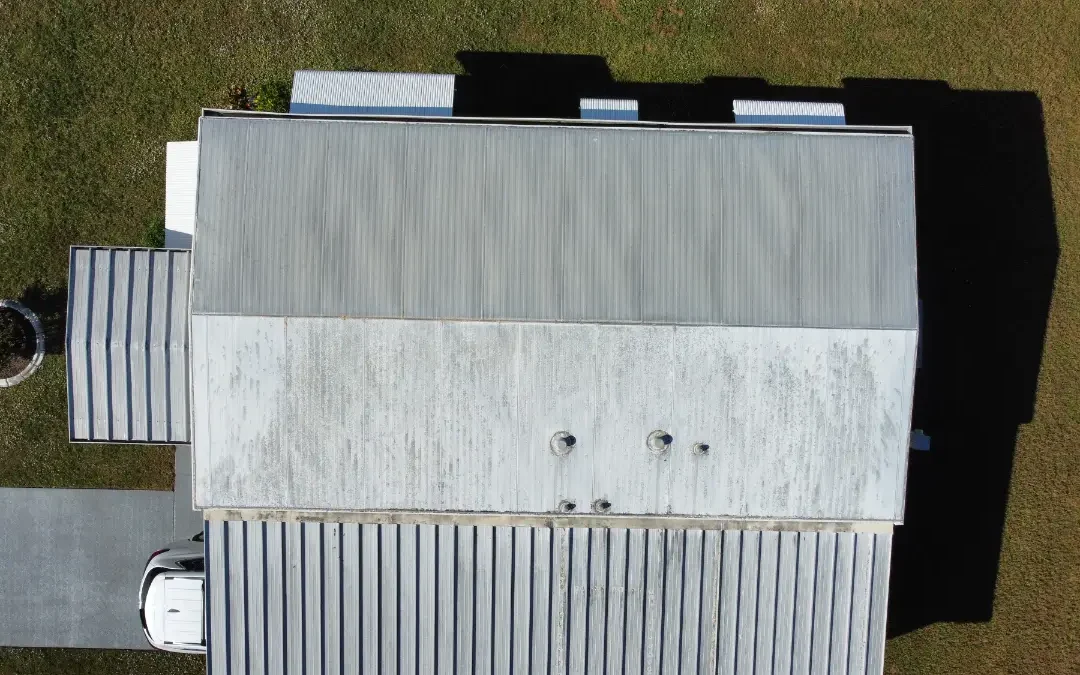
If you’re comparing flat roofing systems or trying to understand an existing rubber roof, EPDM is one of the main options you’ll come across. EPDM roofing is used on many commercial buildings and some residential flat or low-slope roof areas because it’s flexible, repairable and suited to a wide range of roof designs. But the membrane alone doesn’t determine how well the roof performs.
For Pennsylvania buildings, that distinction matters. A flat roof may need to handle summer heat, heavy rain, snow, ice, freeze-thaw movement, rooftop equipment and years of ordinary wear. EPDM can be a durable option when the roof is properly installed, well drained, maintained and matched to the building.
Before you repair, replace, restore or compare new flat roofing quotes, it helps to understand what EPDM roofing is, how it works, what affects the cost, how long it can last and what problems to watch for.
What is EPDM roofing?
EPDM stands for ethylene propylene diene monomer. In plain English, EPDM roofing is a synthetic rubber roofing membrane used on flat and low-slope roofs. That’s why EPDM is often called rubber roofing. The term isn’t wrong, but it’s incomplete. EPDM isn’t a loose rubber sheet placed over a roof. It’s one part of a complete roofing system, with seams, flashing, insulation, drainage, edge details and roof penetrations all affecting how well the roof performs.
A membrane is a sheet-like roofing material installed across the roof surface to help keep water out. On flat and low-slope buildings, this type of system is common because water doesn’t shed the same way it does on a steep-slope shingle or metal roof.
You may see EPDM roofing on:
- Commercial buildings
- Schools
- Churches
- Offices
- Apartment buildings
- Low-slope additions
- Porches
- Workshops
- Some residential flat roof sections
EPDM has been used for decades, which is one reason many building owners and roofers are familiar with it. That doesn’t make it outdated. It makes it an established flat roofing option with clear strengths, known limitations and repair methods experienced roofers understand.
EPDM can perform well when the system is designed, installed, drained and maintained properly. It can also develop problems when seams, flashing, rooftop penetrations or drainage are neglected.
How an EPDM roofing system works
An EPDM roof is more than the rubber membrane you see on the surface. It’s a complete roofing system, and each part affects how well the roof keeps water out.
Depending on the building, an EPDM roofing system may include:
- The roof deck or existing substrate
- Insulation
- The EPDM roofing membrane
- Seams
- Flashing
- Drains, gutters or scuppers
- Edge metal
- Adhesives, plates, fasteners or ballast
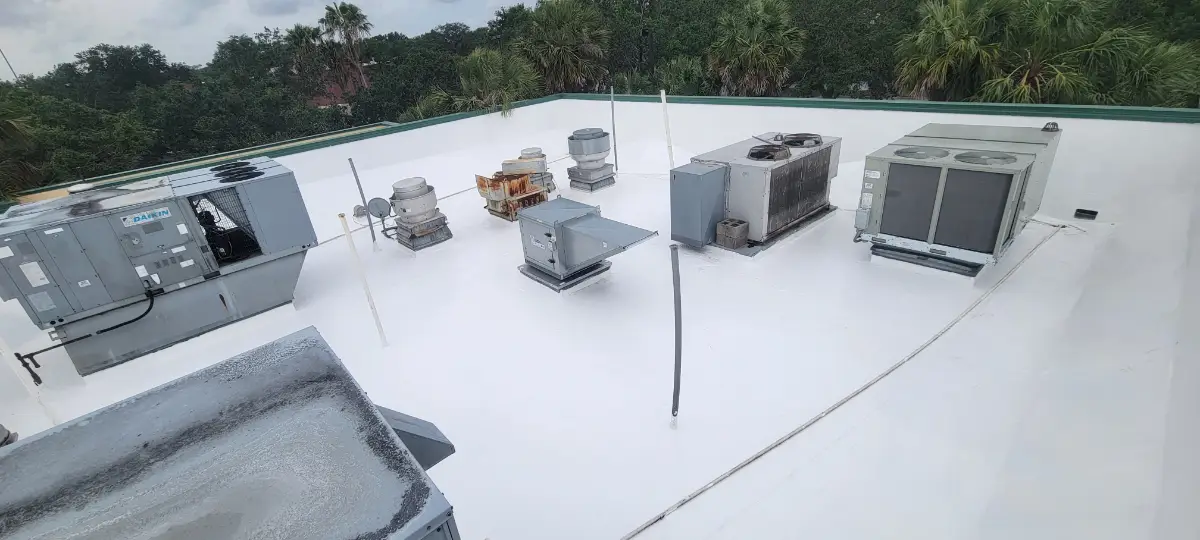
- Details around vents, pipes, skylights, HVAC curbs and other roof penetrations
EPDM roofing may be fully adhered, mechanically attached or ballasted, depending on the building and system design. A fully adhered system uses adhesive to bond the membrane. A mechanically attached system uses fasteners and plates. A ballasted system uses stone or pavers to hold the membrane in place, although this approach depends heavily on the building structure and roof design.
For most property owners, the installation method matters less than the preparation and detailing. The membrane needs a suitable surface beneath it, the seams need to be handled correctly and the flashing needs to be properly installed around roof edges, walls, drains and penetrations.
A leak in an EPDM roof doesn’t always mean the main field of the membrane has failed. Water can enter through a seam, drain, rooftop unit, vent pipe or flashing detail, then travel before it shows up inside the building.
That’s why a professional inspection should look at the whole EPDM roofing system, not only the area directly above the interior stain. On flat and low-slope roofs, the visible leak location is often only part of the story.
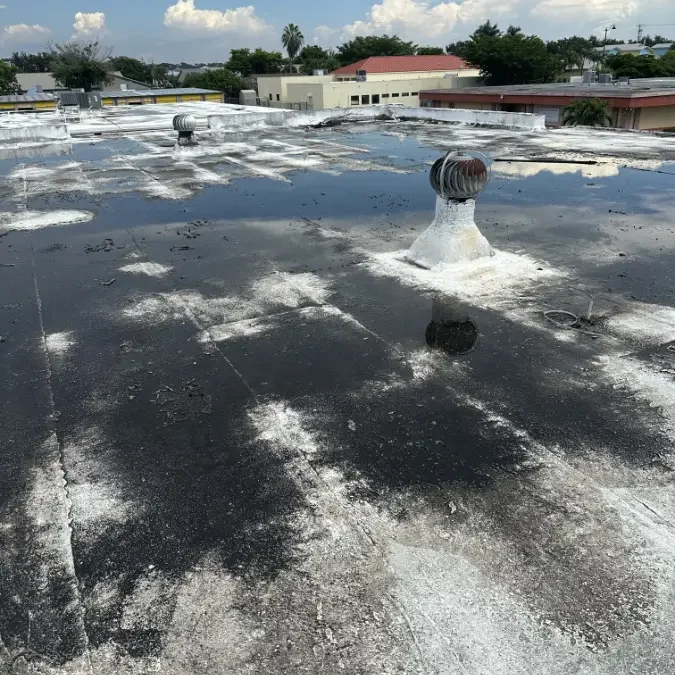
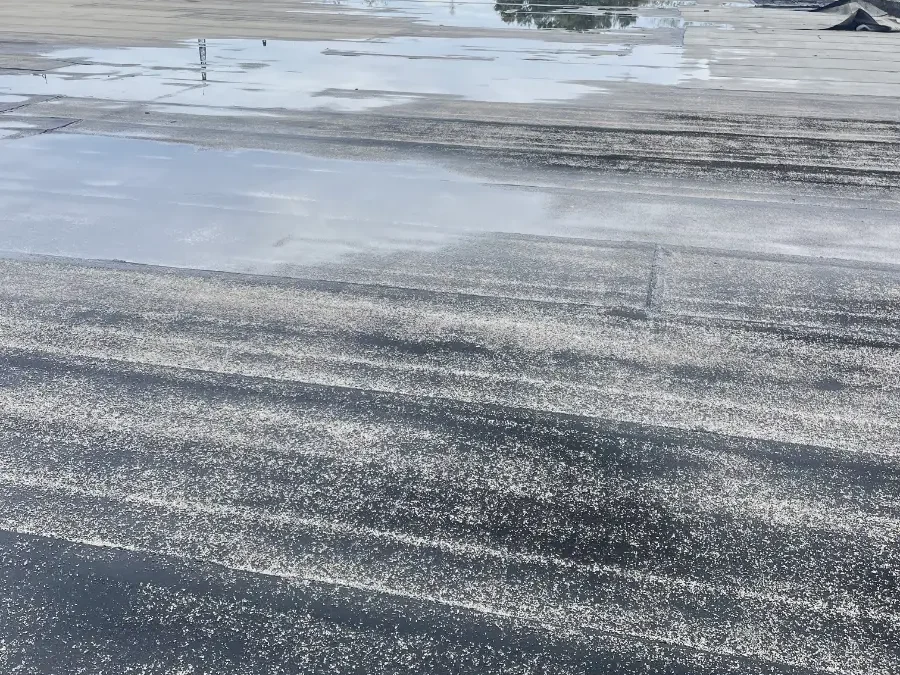
Drainage also matters. EPDM can handle normal weather exposure, but flat roofs are still meant to move water away from the roof surface. If leaves, debris, poor slope, clogged drains or low areas allow water to sit, the roof may face extra stress over time. In Pennsylvania, ponding water becomes even more concerning before winter because standing water can freeze, expand and add pressure around seams, flashing, drains and already weakened areas.
How much does EPDM roofing cost?
EPDM roofing cost depends on the roof size, roof condition, installation method, insulation needs, access, drainage and preparation required before the membrane can be installed.
As a broad guide, EPDM roofing installation often falls somewhere around $4 to $13+ per square foot. However, that range can move higher when you’re replacing an existing roof, and especially when the existing roof has wet insulation, damaged decking, difficult access, many penetrations, drainage problems or an existing roof that needs to be removed.
Several factors can affect EPDM roofing cost, including:
- Roof size
- Membrane thickness
- Insulation needs
- Whether the existing roof must be removed
- Roof access
- Drainage condition
- Number of penetrations
- Edge and flashing details
- Existing leaks or trapped moisture
- Deck or substrate condition
- Labor and project complexity
- Warranty requirements
- Whether the project is a new installation, repair, restoration or full replacement
Two EPDM roof estimates can look very different even when the buildings are similar in size. A simple low-slope roof with a clean, dry substrate isn’t the same project as an older commercial roof with wet insulation, failing seams, ponding water or repeated leak repairs.
That’s why the lowest quote isn’t always the best value. A cheaper EPDM roofing estimate may leave out preparation, insulation, drainage correction, flashing work or repair details. Those omissions can lead to more expensive problems later.
When comparing EPDM roofing quotes, look closely at:
- What work is included
- What EPDM roofing materials are being used
- Whether old roofing will be removed or covered
- How wet insulation, damaged decking or trapped moisture will be handled
- How seams, drains, penetrations and edges will be detailed
- What warranty or workmanship terms apply
- What repair or maintenance expectations come with the system
For commercial buildings, churches, schools, rental properties and larger low-slope roofs, an inspection is the most reliable way to understand the real cost. The roof needs to be assessed as a system, not priced from the membrane alone.
How long does EPDM roofing last?
Broadly speaking, a well-installed and properly maintained EPDM roof can last around 20 to 30 years, and sometimes longer when conditions are favorable. However, that lifespan isn’t automatic. It depends on the roof design, installation quality, membrane thickness, drainage, seam condition, foot traffic, weather exposure, maintenance and repair history.
Roof age matters, but condition matters more. An older EPDM roof with good drainage and consistent maintenance may still have useful life left. A newer roof with ponding water, seam problems, neglected flashing or trapped moisture may need attention much sooner.
In Pennsylvania, an EPDM roof may be exposed to:
- Summer heat
- Heavy rain
- Snow accumulation
- Ice
- Freeze-thaw movement
- Seasonal temperature swings
- Rooftop service traffic
- Leaves, branches and windblown debris
A roof inspection can help assess the real condition of an EPDM roofing system by checking:
- Seam condition
- Flashing details
- Punctures, cuts or tears
- Ponding areas
- Membrane shrinkage or movement
- Edge details
- Drainage points
- Signs of trapped moisture
- Interior water stains or leak patterns
Regular maintenance can help extend the useful life of an EPDM roof, but maintenance can’t undo major system failure. If water has reached the insulation or decking, if seams are failing across large areas or if the membrane has widespread damage, the roof may need more than routine repair.
For Pennsylvania property owners, spring and fall inspections are especially useful. A spring inspection can catch damage after snow, ice and freeze-thaw stress. A late-summer or fall inspection can help prepare the roof before winter adds another round of moisture, ice and temperature movement.
Common EPDM roofing repairs
One of the advantages of EPDM roofing is that many problems can be repaired when they’re identified early and the rest of the roofing system remains in good condition.
Common EPDM roofing repair issues include:
- Punctures or tears in the membrane
- Seam separation
- Flashing failures
- Membrane shrinkage
- Ponding water
- Damage around rooftop equipment
- Edge detail problems
- Leaks around drains, vents, pipes or skylights
- Damage caused by foot traffic or dropped tools
Not every leak starts in the main field of the EPDM membrane. For example, a leak around a rooftop HVAC unit may be caused by deteriorated flashing or curb details rather than the membrane itself. Water can also enter through one area of the roof, travel beneath the membrane or through the insulation, and become visible somewhere else inside the building.
That’s why professional diagnosis is so important. Treating the visible leak without identifying the true entry point can result in repeated repairs that never fully solve the problem.
EPDM repairs also need to be compatible with the existing roofing system. Depending on the type of damage, repairs may involve cleaning and preparing the membrane before installing compatible patches, seam materials or flashing components. Using incompatible materials or attempting makeshift repairs can shorten the life of the roof and make future repairs more difficult.
Repeated leaks in the same area can also indicate that the problem extends beyond the membrane. Trapped moisture, deteriorated insulation, poor drainage or aging roof details may call for a more comprehensive repair or restoration strategy.
If you’ve noticed water stains inside your building, bubbling, loose seams, visible membrane damage or recurring leaks, it’s worth arranging a professional roof inspection before the problem spreads further. Catching issues early is usually simpler and less disruptive than waiting until water has affected insulation, decking or the building interior.
EPDM roofing maintenance for Pennsylvania roofs
Like any flat roofing system, an EPDM roof lasts longer when small problems are found and addressed before they become major repairs.
For Pennsylvania property owners, a professional roof inspection is generally recommended at least twice a year, typically once in spring after winter weather has passed and again in late summer or early fall before snow and freezing temperatures return. Additional inspections are also worthwhile after severe storms, high winds, hail or any event that could have damaged the roof.
A practical EPDM roof maintenance program should include checking:
- Leaves, branches and other debris on the roof surface
- Drains, gutters and scuppers
- Ponding water
- Seams
- Flashing
- Roof edges
- Punctures, cuts or scuffs in the membrane
- Rooftop equipment and service paths
- Signs of membrane shrinkage or movement
- Interior water stains or other indications of leaks
Keeping drains clear is one of the simplest ways to protect an EPDM roof. Blocked drains can allow water to remain on the roof longer than intended, increasing stress on seams, flashing and other roof details. While EPDM is designed to withstand the weather, standing water should never be treated as normal.
Buildings with regular rooftop access deserve particular attention. HVAC technicians, electricians, communications contractors and other service personnel may unintentionally damage the membrane through repeated foot traffic or by dropping tools and equipment. Walk pads and careful maintenance practices can help reduce unnecessary wear.
Regular maintenance also makes budgeting easier. Rather than waiting for an emergency leak to interrupt business operations, property owners can schedule repairs while they’re still relatively minor. This is especially valuable for commercial buildings, schools, churches, apartment complexes and other properties where unexpected roof work can be disruptive.
Inspection and repair records can also support warranty discussions, capital planning and future roofing decisions. Knowing the condition of your EPDM roof today makes it much easier to plan for tomorrow.
Pros and cons of EPDM roofing
EPDM roofing has earned a strong reputation because it has been used successfully on flat and low-slope roofs for decades. It’s a proven roofing system, but like every roofing material, it has strengths and limitations.
The advantages of EPDM roofing include:
- Long service life: A well-installed and properly maintained EPDM roof can provide decades of reliable performance.
- Excellent flexibility: EPDM remains flexible in a wide range of temperatures, making it well suited to Pennsylvania’s seasonal weather and freeze-thaw cycles.
- Established performance: Because EPDM has been widely used for many years, its strengths, limitations and repair methods are well understood throughout the roofing industry.
- Repairability: Localized punctures, seam issues or flashing problems can often be repaired without replacing the entire roof, provided the rest of the roofing system remains in good condition.
- Suitable for many flat and low-slope roofs: EPDM performs well on a wide variety of commercial buildings and many residential flat roof applications.
The potential disadvantages of EPDM roofing include:
- Heat absorption: Traditional black EPDM membranes absorb more heat than reflective white roofing systems, although lighter-colored EPDM products are also available.
- Visible seams: Depending on the roof design and installation method, seams may require more ongoing attention than heat-welded single-ply systems.
- Puncture risk: Although EPDM is durable, it can still be punctured by sharp objects, dropped tools or careless rooftop traffic.
- Appearance: Some building owners prefer the appearance of lighter-colored roofing systems, particularly where energy efficiency or aesthetics are priorities.
- Maintenance requirements: Like every flat roofing system, EPDM benefits from regular inspections and maintenance to keep seams, flashing, drainage and rooftop details performing properly.
For many Pennsylvania buildings, these disadvantages are manageable when the roof is designed well and maintained consistently. The better question isn’t whether EPDM is perfect. It’s whether EPDM fits your building, budget and long-term plans.
For example, a commercial office building with moderate rooftop traffic and good drainage may be an excellent candidate for EPDM. A building where reducing summer heat gain is a higher priority may also need to consider TPO roofing or another reflective roofing system. Likewise, an aging roof with isolated defects may be suitable for repair or restoration, while widespread moisture beneath the membrane could point toward replacement.
The membrane is only one part of the decision. Roof design, drainage, insulation, installation quality, maintenance, building use and long-term ownership plans all help determine which roofing system will deliver the best value.
Is EPDM roofing right for your building?
EPDM roofing may be a good fit if your building has a flat or low-slope roof and needs an established, flexible, repairable membrane system.
It may be worth considering for buildings where:
- The roof is flat or low-slope
- Long-term durability is a priority
- Flexibility through seasonal temperature changes matters
- The roof structure and substrate are suitable
- Drainage can be managed properly
- The building owner wants a system with well-understood repair methods
- Regular maintenance can be built into the roof’s long-term care
Repair may be enough when the issue is isolated and the surrounding roof system is still in good condition. That might include a small puncture, localized seam issue, flashing problem or minor area of damage around a drain or rooftop unit.
Replacement or a more extensive restoration strategy may be needed when there is widespread membrane failure, recurring leaks, trapped moisture, wet insulation, damaged decking, poor drainage, membrane shrinkage or multiple failing details across the roof.
Some buildings may also be better suited to TPO, roof coatings, spray polyurethane foam, metal roofing or another roofing system. For example, if reflectivity is a major priority, a building owner may want to compare EPDM with a lighter-colored single-ply membrane or a coating-based restoration option.
Some existing EPDM roofs may also be candidates for coating-based restoration, depending on the condition of the membrane, drainage, adhesion, trapped moisture and product compatibility. Lester’s Carpentry can assess whether targeted EPDM repair, replacement, restoration with Conklin roof coatings, spray polyurethane foam, TPO, metal roofing or another approach is the better fit.
The best next step is a professional inspection. Lester’s Carpentry can assess the condition of the membrane, seams, flashing, insulation, drainage and roof deck before recommending EPDM repair, replacement, restoration or another flat roofing option.
Timing matters too. For Pennsylvania buildings, spring through early fall is often the most practical window for flat roof inspection, repair, restoration or replacement planning before winter weather narrows your options.
Find out whether EPDM roofing is the right fit for your roof
EPDM roofing is a synthetic rubber membrane used on flat and low-slope roofs. It can be a durable, flexible and repairable option for many Pennsylvania properties, but its long-term value depends on installation quality, drainage, maintenance, roof condition and how the building is used.
Before choosing EPDM, property owners should consider the roof’s age, repair history, insulation, drainage, seams, flashing, rooftop traffic, and exposure to snow, ice, rain and seasonal temperature changes.
If you have an EPDM roof or are considering a flat roofing system, contact Lester’s Carpentry to schedule a professional roof inspection. Our team can assess your roof and help you understand whether EPDM roofing, repair, restoration or another flat roofing option makes sense for your property.